New Real Estate Agent Social Media Playbook for Year One


New Real Estate Agent Social Media: Your Complete Guide to Getting Started
Starting your real estate career feels overwhelming. You know social media is important, but between learning contracts and building your network, creating content feels like another mountain to climb. Here's the truth: new real estate agent social media success doesn't require massive budgets or professional videographers. It requires the right strategy and consistent effort.
Most new agents make the mistake of trying to be everywhere at once. They post randomly, copy what top producers do, and wonder why their phone isn't ringing. The agents who succeed focus on building genuine relationships with their local community through strategic, authentic content.
This guide will show you exactly how to start real estate social media from scratch, choose the right platforms, and create content that generates leads in your first year.
The Importance of Social Media in Real Estate
Social media has fundamentally changed how people buy and sell homes. Buyers start their search online long before they contact an agent. Sellers research agents' online presence before deciding who to call. As a new agent, your social media presence often serves as your first impression.
Unlike traditional advertising, social media lets you showcase your personality and expertise without spending thousands on billboard ads. You can demonstrate your market knowledge, show off listings, and build trust with potential clients who might not even know they're ready to buy or sell yet.
Why Social Media?
The most successful real estate agents understand that social media isn't about selling houses directly. It's about building relationships and staying visible to your community. A social media strategy based on consistency, authenticity, and engagement can help real estate businesses thrive by building relationships and staying top of mind with local audiences.
Smart agents prioritize reputation over reach. Instead of trying to appeal to everyone, prioritizing reputation over reach by creating content for an ideal client avatar builds meaningful connections in farm areas, leading to more sales. This focused approach means your content resonates deeply with the people most likely to work with you.
Sources:
Understanding the Real Estate Market on Social Media
Different platforms attract different demographics, and understanding this helps you focus your efforts. Facebook's vast user base spanning millennials, Gen X, and baby boomers makes it a key platform for real estate agents to showcase listings and engage via groups and events. This broad appeal makes Facebook particularly valuable for new agents who haven't yet defined their niche.
Instagram attracts younger buyers and sellers who appreciate visual content. LinkedIn connects you with other professionals and potential referral sources. YouTube helps you demonstrate expertise through longer-form educational content.
The key is understanding where your ideal clients spend their time online and meeting them there.
Sources:
New Realtor Social Media Strategy
Your new realtor social media strategy should be simple and sustainable. Many new agents burn out trying to maintain perfect content across multiple platforms. Instead, focus on doing a few things consistently well.
Start by choosing one or two platforms where your ideal clients are most active. Master those before expanding. This focused approach lets you build genuine engagement rather than spreading yourself too thin.
Identifying Your Target Audience
Creating an avatar of the ideal client and tailoring content exclusively for them is the primary goal for successful real estate social media marketing. This might feel counterintuitive when you're new and want every possible lead, but targeting everyone means reaching no one effectively.
Consider these questions: Are you targeting first-time homebuyers, luxury sellers, or investors? What age group? What neighborhoods? Your content should speak directly to these specific people's needs, concerns, and dreams.
For example, content for first-time buyers might focus on explaining the buying process and highlighting affordable neighborhoods. Content for luxury sellers might showcase high-end staging and market trends for premium properties.
Sources:
Choosing the Right Social Media Platform
Platform selection can make or break your social media efforts. Agents should pick platforms fitting their business, such as Facebook for broad demographics or Instagram for visual content with hashtags and geotags. Don't feel pressured to be on every platform immediately.
Facebook works well for community engagement, local groups, and detailed property descriptions. Instagram excels at showcasing beautiful photos and behind-the-scenes content. YouTube helps establish expertise through market updates and home-buying advice.
Start with the platform where your target audience is most active and where you feel most comfortable creating content. You can always expand later once you've built momentum.
Sources:
Creating a Consistent Brand Image
Your brand image goes beyond just a logo. It includes your voice, the types of content you share, and how you interact with followers. Consistency helps people recognize and remember you.
Choose colors, fonts, and photo styles that reflect your personality and target market. If you work with young professionals, your brand might be modern and energetic. If you focus on luxury properties, your brand might be more elegant and sophisticated.
Most importantly, be authentic. People work with agents they trust, and trust comes from genuine interactions, not perfect marketing materials.
Beginner Agent Video Marketing
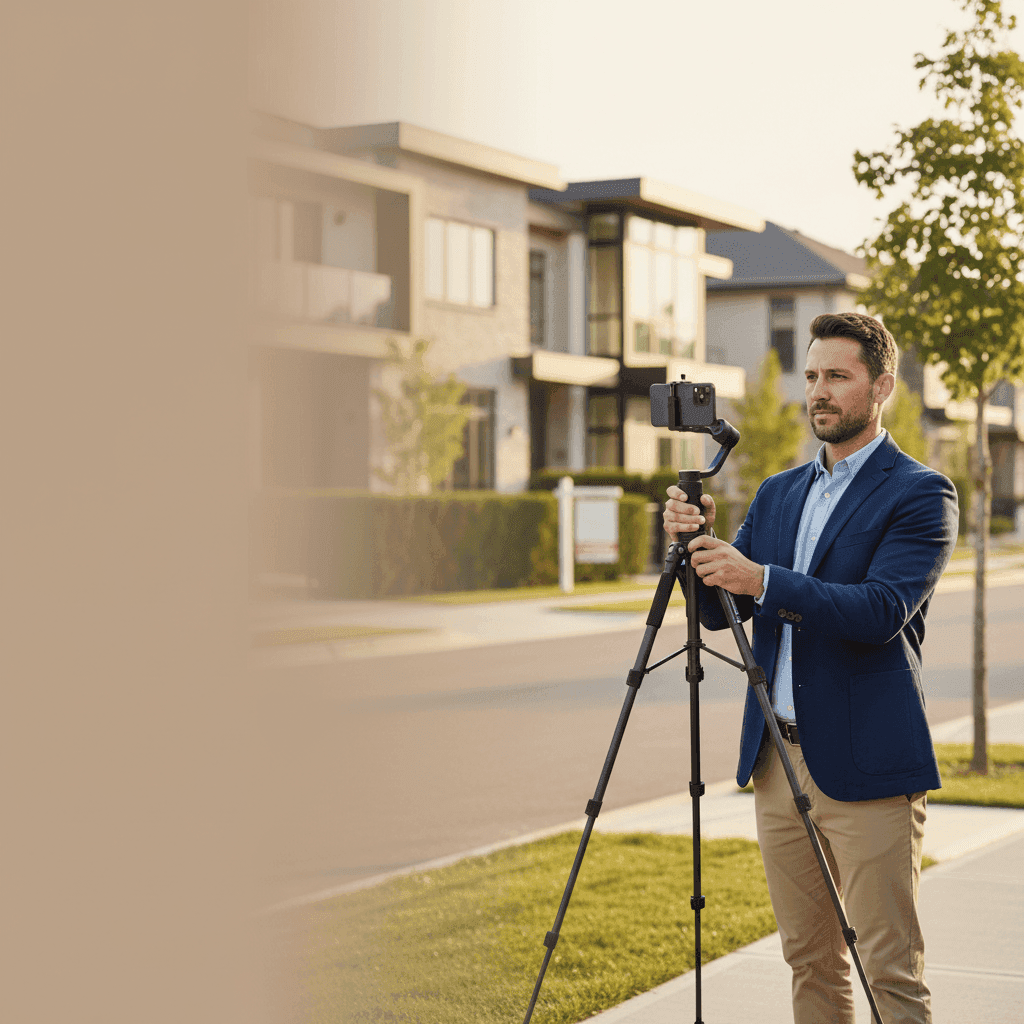
Video content performs better than any other type of social media content for real estate. It lets potential clients see properties, hear your voice, and get a sense of your personality. For beginner agent video marketing, start simple with your smartphone and basic editing apps.
Video doesn't need to be perfect to be effective. In fact, overly polished content can feel less authentic than casual, helpful videos that showcase your genuine expertise and personality.
The Value of Video Marketing
Video builds trust faster than photos or text because people can see and hear you directly. It's the closest thing to an in-person meeting when someone is evaluating whether to work with you.
Video also gets better reach on most social media platforms. Facebook, Instagram, and LinkedIn all prioritize video content in their algorithms, meaning more people will see your posts compared to static images or text.
For new agents, video levels the playing field. You don't need years of experience or a huge budget to create valuable video content that attracts clients.
Creating Compelling Video Content
The key to successful video content is providing value, not just promoting yourself. Realtors have endless video opportunities like sneak peek listing tours, live open houses, or client closing stories to create daily content. These authentic moments showcase your expertise while giving followers useful information.
Personal branding videos showing a day in the life of an agent or community engagement help showcase personality and build authenticity. Consider filming neighborhood spotlights, local business features, or market update videos that position you as the local expert.
Start with these beginner-friendly video ideas: virtual property tours, quick market updates, home maintenance tips, and neighborhood highlights. These require minimal equipment but provide significant value to your audience.
Sources:
First Year Agent Video Content Strategy
Your first year agent video content strategy should focus on building awareness and establishing credibility. You might not have many listings to showcase yet, but you can still create valuable content that attracts potential clients.
Focus on educational content, community features, and behind-the-scenes glimpses of your learning process. People appreciate transparency about your journey as a new agent, and it can actually work in your favor by making you more relatable.
Content Planning
Plan your content around themes that serve your target audience. Monday might be market updates, Wednesday could be home-buying tips, and Friday might feature local businesses or events. This structure helps you stay consistent without scrambling for ideas daily.
Create content that addresses common questions you hear from potential clients. How to start real estate social media content might include explaining the buying process, discussing market conditions, or showcasing different neighborhoods in your area.
Keep a running list of content ideas so you're never stuck without something to post. Take photos and short videos during your daily activities that you can use later.
Consistency and Schedule
Consistency is key to real estate marketing on social media, with daily content creation from local experiences positioning agents as go-to resources. This doesn't mean you need to create something new every day, but you should maintain a regular posting schedule that keeps you visible to your audience.
Committing to daily social media content like listing tours or client stories ensures agents stay relevant without waiting for inspiration. Batch create content when possible. Spend a few hours on Sunday preparing content for the week, so you're not stressed about posting daily.
Use scheduling tools to maintain consistency even when you're busy with clients. The key is showing up regularly, even if your content isn't perfect every time.
Sources:
Measuring Your Success: How to Analyze Your Performance
Tracking your social media performance helps you understand what content resonates with your audience and drives the best results. As a new agent, focus on metrics that actually matter for your business growth, not just vanity numbers like follower counts.
The most important metrics are engagement rates, website clicks, and actual lead generation from social media. These indicate whether your content is building genuine interest from potential clients.
Social Media Metrics
Start by tracking basic engagement metrics: likes, comments, shares, and saves. High engagement suggests your content resonates with your audience. Pay attention to which posts generate the most comments and questions, as these often indicate topics your audience wants to learn more about.
Track profile visits and website clicks to understand how social media drives traffic to your business. Most platforms provide basic analytics that show these numbers. Set up Google Analytics to track which social media platforms send you the most website visitors.
Most importantly, track lead generation. How many people contact you directly from social media each month? This is the metric that matters most for your business growth, even if the numbers start small.
Start Building Your Social Media Presence Today
Social media success for new real estate agents isn't about having thousands of followers or viral videos. It's about consistently showing up for your community, providing value, and building genuine relationships with potential clients.
Choose one platform to start with, identify your ideal client, and begin creating helpful content that showcases your knowledge and personality. Remember, every successful agent started exactly where you are now.
Your first video doesn't need to be perfect. Your first post doesn't need to go viral. What matters is taking the first step and building momentum through consistent, authentic engagement with your local market.
Pick your platform today, write your first post, and start building the social media presence that will fuel your real estate career for years to come.