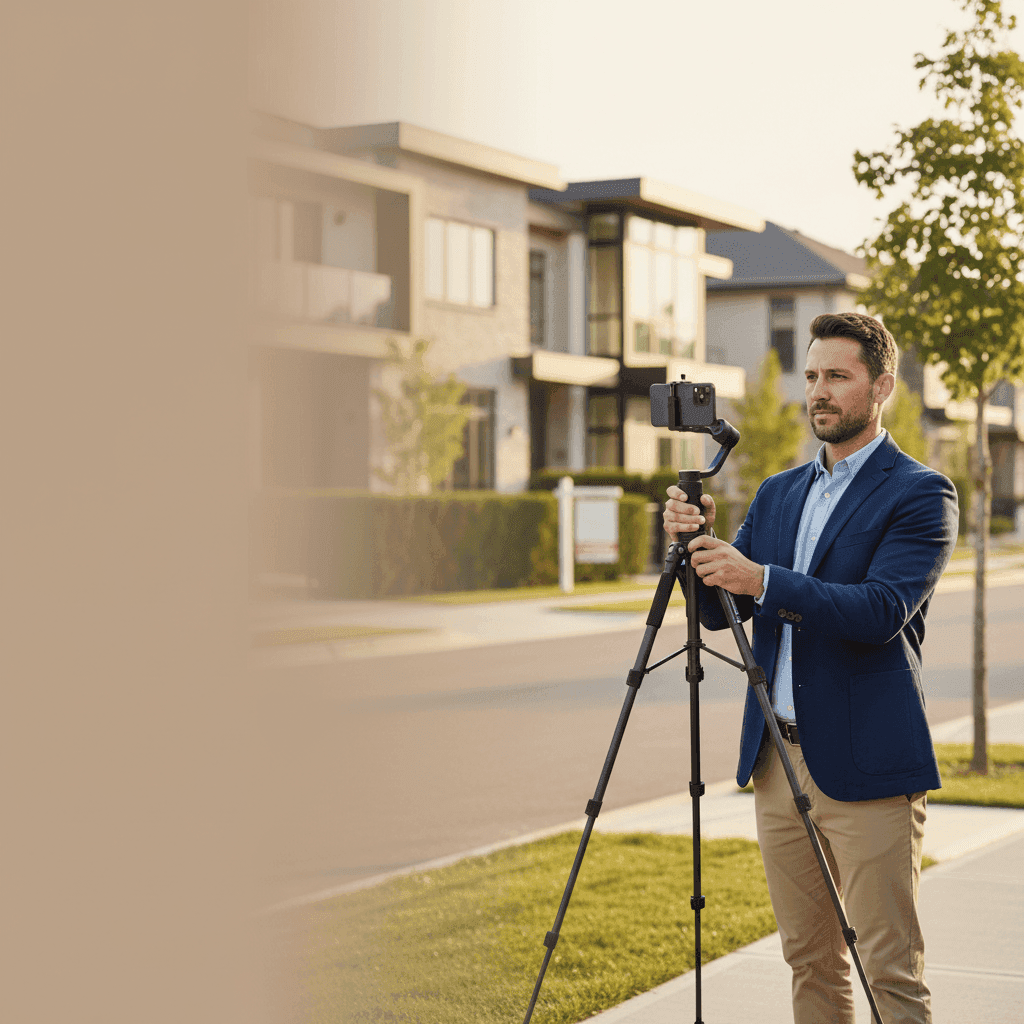
Personal Brand Real Estate Agent Strategy That Wins Clients


Personal Brand Real Estate Agent: Build a Powerful, Client-Winning Identity
In markets where inventory is tight and attention spans are shorter than a walk-through video, the agents who win are the ones clients recognize and trust. When buyers scroll through dozens of similar listings and sellers interview multiple agents, those with forgettable presentations get forgotten fast.
Without a clear, consistent personal brand, you blend into the crowd, making every lead harder to earn and every listing tougher to secure. Your expertise becomes invisible. Your track record gets overlooked. And prospects choose agents who simply showed up more memorably.
This guide shows how a personal brand real estate agent builds visibility and credibility with practical steps, examples, and tools that work in today's market. You'll discover the foundations of realtor personal branding, learn how to build brand as agent step-by-step, explore real estate agent brand strategy examples, and get a platform-by-platform plan for personal marketing real estate.
A strong, consistent personal brand differentiates agents and builds trust that influences client decisions. Research shows that clients are more likely to choose agents whose skills, values, and experience are clearly recognizable, giving branded agents a significant competitive advantage.
Sources:
Understanding Realtor Personal Branding (and what "personal brand real estate agent" really means)
Before diving into tactics, let's clarify what we mean when we talk about building a personal brand as a real estate professional. Many agents confuse personal branding with their brokerage's marketing materials or think it's just about having a nice logo.
Your personal brand is much more strategic than that. It's the unique professional identity you create that sets you apart from every other agent in your market, even those at your own brokerage.
Sources:
What is a Realtor's Personal Brand?
A realtor's personal brand is the unique identity an agent creates that reflects who they are as a professional, distinct from their real estate company's corporate branding. While your brokerage provides the foundation and compliance framework, your personal brand is what makes clients choose you over the agent sitting at the desk next to you.
Think of it as having four core components:
- Positioning: Your niche expertise and target audience (luxury condos, first-time buyers, investment properties)
- Proof: Testimonials, results, and track record that validate your claims
- Personality: Your voice, story, and the human connection you create
- Presentation: Visual identity, messaging consistency, and professional polish
The outcome is simple but powerful. You become recognizable, memorable, and referable. Instead of prospects seeing "just another agent," they see the specialist who can solve their specific problem.
Personal branding involves identifying and communicating unique skills, experience, and personality traits that set an agent apart, whether that's expertise in a specific niche, neighborhood knowledge, or exceptional negotiation abilities.
Sources:
Why is Personal Branding Important for Realtors?
The benefits of strong realtor personal branding compound over time, but agents often see results in their first 90 days. Here's what changes:
Trust builds faster: Clients feel more confident working with agents who have clear expertise and consistent messaging across all touchpoints.
Memorability increases: When prospects meet multiple agents, those with distinctive brands get remembered and referred more often.
Pricing power grows: Specialists command higher commissions than generalists because clients perceive greater value in niche expertise.
Referrals flow easier: Past clients can easily explain what makes you different when recommending you to friends.
Lead qualification speeds up: The right prospects self-select into your pipeline while poor fits filter themselves out.
Consider this scenario: Two agents pitch the same listing. Agent A gives a generic presentation about market conditions and commission structure. Agent B opens with, "I'm the agent who's sold 47 homes in this school district in the past two years, with an average DOM of 18 days versus the neighborhood average of 31."
Which agent do you think gets the listing?
A well-established personal brand cultivates reputation among clients and peers, making agents more recognizable and memorable in a highly competitive real estate market. Consistent personal branding reinforces trust and recognizability across platforms, which directly influences client decision-making and can lead to increased referrals and business opportunities.
Sources:
Personal Brand Real Estate Agent: Strategies to Build (and keep) a brand that works
Building an effective personal brand isn't about copying what works for other agents in other markets. It's about identifying what makes you uniquely valuable and then communicating that value consistently across every client interaction.
The most successful agents treat their personal brand as a 24/7 listing presentation. Every social media post, email signature, and casual conversation either reinforces or undermines the professional identity they're building.
Sources:
Defining Your Unique Value Proposition (UVP)
Your Unique Value Proposition is the foundation everything else builds on. Without clarity here, your marketing feels generic and your messaging confuses prospects about why they should choose you.
Follow these steps to define your UVP:
Map your target audience: Be specific. "First-time buyers" is too broad. "First-time buyers in the $400-600K range who work in tech and prioritize walkability" gives you a clear profile to serve.
Inventory your strengths: List what you do exceptionally well. This might include neighborhood depth (you've lived in the area for 15 years), staging expertise (you have design training), negotiation skills (you're a former attorney), or data analysis (you geek out on market trends).
Write your one-sentence UVP: Combine your audience and strength into a clear statement. "I help tech professionals find walkable homes in established neighborhoods without overpaying in competitive markets."
Create a 50-word proof bio: Support your UVP with specific outcomes. "In the past 24 months, I've helped 31 tech buyers secure homes at an average of 3% below asking price by leveraging neighborhood expertise and data-driven offer strategies."
Add your personal story: Explain your "why" to humanize your brand. This could be about your own home-buying experience, why you love your neighborhood, or what drives you to help others build wealth through real estate.
A Unique Selling Proposition should emphasize what makes an agent different, such as specialized skills, distinctive service approaches, or deep market knowledge. Sharing a compelling personal story about why an agent chose real estate, what aspects they enjoy, and the impact they want to make in their community makes agents more relatable and memorable to clients.
Sources:
Creating a Consistent Brand Image
Consistency is what transforms scattered marketing efforts into a recognizable brand. Every touchpoint should feel like it comes from the same professional, whether someone sees your Instagram post, visits your website, or receives your email newsletter.
Visual consistency starts with the basics:
- Choose 2-3 colors that reflect your personality and market (navy and gold for luxury, bright teal for modern/young professional)
- Select fonts that match your target audience (clean sans-serif for tech buyers, classic serif for luxury)
- Invest in professional headshots that you'll use everywhere
- Develop a consistent photo style for listings and content
Messaging consistency requires discipline:
- Write a tagline that speaks directly to your audience's main concern
- Develop a consistent voice that matches your personality (conversational, data-driven, warm, direct)
- Use the same CTAs across platforms ("Ready to see what your home is worth?" or "Let's find your perfect neighborhood")
- Standardize how you talk about your services and track record
Quality control prevents brand dilution:
- Audit all your profiles quarterly to ensure consistency
- Create templates for common communications (listing remarks, social posts, email signatures)
- Use the same bio across all platforms with minor adjustments for character limits
A cohesive visual identity using consistent color schemes, fonts, imagery, and professional headshots across all marketing materials makes a brand more recognizable and professional. Consistent messaging, such as a clear tagline that reflects an agent's expertise and target audience, combined with an authentic voice, builds trust and differentiates agents from competitors.
Use Peachgum to keep a consistent video look with reusable cinematic styles and soundtrack choices, no editing required.
Sources:
How to Build Brand as Agent: A Step-by-Step Plan
Building your personal brand doesn't happen overnight, but you can make significant progress in your first month with focused effort. Here's a week-by-week roadmap:
Week 1: Foundation
- Draft your one-sentence UVP and 50-word proof bio
- Choose your color palette (2-3 colors maximum)
- Schedule professional headshots or select your best current photos
- Write your personal story (2-3 paragraphs about your "why")
Week 2: Platform updates
- Update your website homepage with new UVP and bio
- Refresh your Google Business Profile with consistent messaging
- Standardize all social media bios with the same core message
- Create consistent CTAs for each platform
Week 3-4: Content foundation
- Publish cornerstone content: a market update that showcases your data skills, a neighborhood guide that proves your local expertise, or a "How I prepare listings" post that demonstrates your process
- Collect and format 3-5 recent client testimonials
- Create templates for recurring content (weekly market updates, new listing announcements, sold celebrations)
Ongoing rhythm:
- One weekly video (market insight, listing highlight, or educational content)
- One educational carousel post (Instagram) or infographic
- Two Instagram Stories per week (behind-the-scenes, quick tips)
- Monthly email newsletter with market digest and personal updates
Consistent cross-channel presence reinforces brand recognition and keeps you top-of-mind when prospects are ready to make a move.
Sources:
Building a Strong Online Presence
Your online presence serves three goals: demonstrate expertise, show proof of results, and stay top-of-mind when timing aligns with client needs. The key is creating content that serves your audience while reinforcing your brand positioning.
Content formats that consistently perform well:
- Short-form videos (30-60 seconds): market updates, listing highlights, neighborhood spotlights
- Virtual tours: both live walkthroughs and polished video tours
- Educational carousels: "5 things to know before listing," "How to prepare for a buyer consultation"
- Behind-the-scenes content: staging process, photoshoot prep, closing day celebrations
Topics that build authority:
- Market trend explanations in plain language
- Neighborhood lifestyle content (local businesses, schools, events)
- Home preparation tips (staging, repairs, timing)
- Transaction process education (especially for first-time buyers)
Video content creation, including live or pre-recorded virtual tours, market trend discussions, and tip-sharing, effectively demonstrates expertise and builds connections with potential home buyers and sellers browsing online.
Turn listing photos into ready-to-post Instagram, TikTok, and YouTube Shorts videos in minutes with Peachgum, a faster, cheaper alternative to hiring videographers.
Sources:
Personal Marketing Real Estate: Platform-by-Platform Plan
Each platform serves a different purpose in your personal marketing real estate strategy. Rather than trying to be everywhere, focus on 2-3 platforms where your target audience spends time and where you can consistently create quality content.
Instagram/TikTok/YouTube Shorts: Quick engagement
- Post 30-60 second vertical videos 3-4 times per week
- Content ideas: just-listed announcements, before/after staging transformations, "3 things you should know about [neighborhood]," market minute updates
- Use trending audio but keep captions clear (many watch without sound)
- Include clear CTAs: "DM me for the full market report" or "Link in bio for neighborhood guide"
YouTube: Deep expertise
- Publish weekly 5-8 minute videos on evergreen topics
- Series ideas: "First-time buyer guide," "Selling in [Your City]," monthly market reviews
- Optimize titles and descriptions for search ("How to buy your first home in Austin 2024")
- Create playlists by topic to keep viewers watching multiple videos
Website: Professional hub
- Homepage should immediately communicate your UVP and target audience
- Create dedicated pages for your niche (luxury homes, first-time buyers, specific neighborhoods)
- Embed videos and testimonials throughout the site
- Offer valuable lead magnets: neighborhood guides, market reports, buyer/seller checklists
Email: Relationship nurturing
- Monthly digest format works well: "What sold near you," "Market update," and "How to prepare your home"
- Include personal touches: favorite local business recommendations, community events, personal updates
- Segment lists by buyer/seller status and neighborhood interest when possible
Multi-channel distribution across social media, email campaigns, community events, and traditional print ensures consistent brand reinforcement wherever clients are engaging.
Use Peachgum to export short-form videos sized for each platform, so you can post consistently without editing skills.
Sources:
Real Estate Agent Brand Strategy: Case Studies and Playbooks
The most effective real estate agent brand strategy combines clear positioning with consistent execution across multiple channels. Here are three proven playbooks you can adapt to your market and strengths.
Each playbook works because it solves a specific problem for a defined audience using the agent's unique strengths. The key is choosing the approach that aligns with your natural skills and market opportunities.
Sources:
Playbook 1: The Neighborhood Micro-Niche Specialist
Positioning: "The go-to agent for [Specific subdivision/school district/ZIP code]"
This strategy works exceptionally well in suburban markets where school districts drive buyer decisions or in urban areas with distinct neighborhood personalities.
Content strategy:
- Weekly "What's selling in [Neighborhood]" posts with hyperlocal market data
- Monthly spotlights on local businesses, restaurants, and community events
- School district updates, test score releases, and enrollment information
- Seasonal content: best local pumpkin patches, holiday light displays, summer camps
Proof elements:
- Hyperlocal statistics: "I've sold 67% of all homes in [Subdivision] in the past two years"
- Map-driven social media posts showing your listing and sales concentration
- Testimonials from homeowners specifically about your neighborhood expertise
- Before/after home values showing appreciation in your target area
Implementation tip: Become genuinely involved in the community. Sponsor youth sports teams, attend city council meetings, and support local businesses. Your brand should reflect authentic connection, not just professional expertise.
Playbook 2: The Video-First Local Expert
Positioning: "I translate market noise into clear next steps"
This approach works for agents who are comfortable on camera and want to build authority through educational content.
Content cadence:
- 3 short-form videos per week (Instagram Reels, TikTok, YouTube Shorts)
- 1 longer-form YouTube video per week (5-10 minutes)
- Cross-post video content to email newsletter and website blog
- Repurpose video content into carousel posts and blog articles
Video content themes:
- 60-second property highlights with key selling points
- "Buyer/seller mistake" series addressing common concerns
- Market trend explanations using simple visuals and clear language
- "Day in the life" content showing your process and personality
Scaling strategy: Build a repeatable video cadence by converting listing photos into cinematic Shorts via Peachgum. This lets you keep publishing even when you're busy with closings and client meetings.
Playbook 3: The Data-Driven Negotiator
Positioning: "I protect your equity with data-backed pricing and strategy"
This strategy appeals to analytical buyers and sellers who want to understand the numbers behind major financial decisions.
Content focus:
- Monthly absorption rate and inventory analysis for your market
- Bid strategy breakdowns showing how you help buyers win in competitive situations
- Pricing strategy walk-throughs using comparable sales data
- Market prediction content based on leading indicators (permits, mortgage rates, employment)
Proof content:
- Before/after pricing stories: "How we adjusted strategy and reduced DOM by 15 days"
- Negotiation win case studies: "How data helped our buyer get $12K in credits"
- Comparative market analysis examples showing your analytical process
- Charts and infographics that make complex data accessible
Tools that support this brand: Use MLS data creatively, invest in market analytics subscriptions, and create templates for data visualization that match your brand colors and fonts.
How Long Does It Take to See Personal Branding Results?
Most agents start seeing engagement improvements within 60-90 days of consistent branding efforts, but meaningful business impact typically takes 3-6 months of sustained effort.
60-90 day markers:
- Increased social media engagement and follower growth
- More website traffic and longer session durations
- Higher email open rates and click-through rates
- Prospects mentioning they've seen your content before meeting you
3-6 month indicators:
- Steady inbound lead flow from content and referrals
- Clients specifically choosing you because of your positioning
- Other agents referring clients who fit your niche
- Speaking opportunities and media requests in your area of expertise
Factors that accelerate results:
- Consistent posting schedule (3-4 times per week minimum)
- Engaging with your audience's comments and questions
- Creating content that gets shared (helpful tips, local insights)
- Networking both online and offline in your target market
Remember that personal branding is a marathon, not a sprint. Agents who see the biggest long-term success focus on serving their audience consistently rather than chasing quick wins.
Do I Need to Be on Every Social Media Platform?
Absolutely not. In fact, trying to maintain a presence on every platform usually leads to mediocre content across all channels rather than excellent content on a few.
Choose 2 primary channels plus 1 secondary based on where your target audience spends time and where you can create your best content. Here's how to decide:
Instagram: Best for visual content, lifestyle branding, and reaching millennials and younger Gen X buyers.
Facebook: Still strong for local community engagement, reaching Gen X and Baby Boomer sellers, and neighborhood groups.
TikTok: Growing rapidly for reaching younger buyers, especially first-time purchasers under 35.
YouTube: Excellent for educational content, SEO benefits, and establishing long-form expertise.
LinkedIn: Valuable for luxury markets, investor clients, and professional referral relationships.
Multi-channel distribution ensures consistent brand reinforcement, but quality beats quantity every time.
Sources:
What If I'm Not Comfortable on Camera Yet?
Camera comfort develops over time, but you can build a strong personal brand while you're developing your on-screen confidence.
Start with these video alternatives:
- Voiceover videos using listing photos and neighborhood footage
- Screen-recorded market updates using presentation slides
- Text-overlay videos with music and property visuals
- Carousel posts with valuable information and professional photos
Gradual progression approach:
- Week 1-2: Voiceover content only
- Week 3-4: Add quick hand gestures or partial face shots
- Week 5-8: Short face-to-camera introductions (10-15 seconds)
- Month 2+: Full face-to-camera content as comfort increases
Professional alternatives: Use Peachgum to create professional listing videos from photos with no on-camera time or editing required. This gives you video content while you build confidence.
Video formats, including pre-recorded tours, still build connection and authority even when the agent isn't prominently featured on camera.
Sources:
How Should I Measure My Personal Brand's Impact?
Tracking the right metrics helps you understand what's working and where to focus your efforts. Focus on metrics that connect to business outcomes rather than vanity numbers.
Engagement metrics:
- Follower growth rate (monthly percentage increase)
- Video completion rates and average watch time
- Email newsletter click-through rates
- Comment quality and response rates
Brand awareness indicators:
- Branded search queries ("Your Name + real estate")
- Direct website traffic increases
- Referrals mentioning your content or positioning
- Speaking invitations and media requests
Business impact measures:
- Listing appointment win rate versus previous year
- Average time from first contact to signed agreement
- Referral volume and quality
- Commission per transaction trends
Quarterly brand audit questions:
- Are prospects mentioning my content before we meet?
- Do clients clearly understand my specialization?
- Am I attracting my ideal client profile?
- Is my messaging consistent across all platforms?
Track these metrics monthly but make strategic adjustments quarterly. Personal branding success builds momentum over time rather than showing dramatic month-to-month changes.
Is Professional Photography and Design Worth the Investment?
Yes, but be strategic about where you invest first. High-quality visuals increase professionalism and trust, but you don't need to hire professionals for everything immediately.
Highest ROI investments:
- Professional headshots (used across all platforms for 1-2 years)
- Logo and basic brand kit (colors, fonts, templates)
- Website design that reflects your positioning
- High-quality listing photography (directly impacts sales)
DIY-friendly elements:
- Social media graphics using Canva templates
- Property videos using smartphone and editing apps
- Email newsletter design using platform templates
- Basic market reports and infographics
Scaling approach:
- Start with professional headshots and a simple brand kit
- Use templates and smartphone photography for daily content
- Invest in professional design for high-impact materials (website, listing marketing)
- Upgrade DIY elements as your business grows
Consistent, high-quality visuals increase professionalism and trust, making the investment worthwhile for agents serious about building their personal brand.
Sources:
Your First Step to Standing Out Starts This Week
Building a powerful personal brand as a real estate agent isn't about perfecting every detail before you start. It's about clarifying your unique value, standardizing your visual and messaging consistency, publishing helpful video content weekly, maintaining a multi-channel presence, and measuring what matters while iterating based on results.
The most successful personal brand real estate agents earn trust and referrals by showing up consistently with value that serves their target audience's specific needs. They don't try to be everything to everyone. Instead, they become the obvious choice for their ideal clients.
Remember that consistency and recognizability drive client decisions more than flashy marketing or expensive campaigns. Your prospects choose agents they know, like, and trust, which means your brand must build all three elements over time.
Sources:
Start Building Your Brand Identity Today
Take these specific steps this week to begin differentiating yourself in your market:
Monday: Write your one-sentence UVP and 50-word proof bio. Test them with a trusted colleague or mentor for clarity and impact.
Tuesday-Wednesday: Refresh your social media bios and website homepage with consistent visuals, messaging, and clear CTAs that reflect your positioning.
Thursday-Friday: Create and publish your first short-form listing video showcasing a current or recent property with your unique perspective or expertise.
The agents who commit to these foundational steps this week will have a significant head start over those who keep planning without executing.
Create your next listing video in minutes with Peachgum, a faster, lower-cost alternative to hiring videographers ($500-$1,500+ per shoot). The platform creates Instagram, TikTok, and YouTube Shorts-ready videos from your listing photos, letting you maintain consistent video content without the time investment or technical skills traditionally required.