Best Property Video App: Create Real Estate Clips Fast


The Complete Guide to Choosing the Best Property Video App for Real Estate
Introduction
Listings with video receive 403% more inquiries than those without, yet only 38% of agents include video in their marketing. This massive gap represents your biggest opportunity to stand out in today's competitive real estate market.
The agents who win more listings aren't necessarily the ones with the biggest budgets or fanciest equipment. They're the ones who consistently create compelling video content that connects with buyers where they spend their time: scrolling through Instagram Reels, TikTok, and YouTube Shorts.
Choosing the right property video app can transform your marketing from static photos to scroll-stopping content that builds trust, showcases your expertise, and drives serious inquiries. In this guide, you'll discover how to evaluate the best property video app options for your workflow, compare top choices that work seamlessly on mobile, and master the art of shooting and editing professional videos that get results.
You'll also learn proven strategies for optimizing your videos across social platforms and creating a sustainable content system that positions you ahead of the 62% of agents who still haven't embraced video marketing.
Sources:
Why Real Estate Needs a Mobile Property Video App
Video isn't just a nice-to-have anymore. It's become the baseline expectation for modern real estate marketing.
Consider these numbers: 73% of homeowners prefer agents who use video, and listings with video receive 52% more views than those with photos alone. Yet despite this clear consumer preference, only 38% of agents currently use video in their marketing strategy.
This creates an incredible opportunity for agents willing to embrace mobile video tools. A quality real estate video app mobile solution allows you to capture, edit, and share compelling content without the cost and scheduling complexity of hiring videographers for every listing.
Mobile-first video apps offer three key advantages over traditional video production. First, speed to market. You can shoot, edit, and post the same day a listing goes live. Second, cost efficiency. Instead of paying $300-800 per video shoot, you invest once in an app that handles unlimited projects. Third, agility. When prices change or new photos come in, you can update your video content immediately.
Peachgum exemplifies this efficiency by turning listing photos into cinematic short-form videos in minutes. This approach often delivers faster turnaround and lower costs than coordinating repeated videographer visits, especially for price updates and seasonal content refreshes.
Sources:
Captivating Audiences with Engaging Visuals
Video creates an emotional connection that static photos simply cannot match. When potential buyers watch a well-crafted property video, they don't just see rooms and features. They envision themselves living in the space.
This emotional engagement translates directly into business results. Video helps agents showcase their personality alongside property details, building the trust and credibility that leads to more listing appointments and buyer relationships.
The key is consistent quality. Professional-looking videos with good lighting, smooth camera movements, and thoughtful pacing keep viewers engaged longer. Poor quality videos with shaky footage or bad audio can actually hurt your professional image.
Sources:
Real Estate Video App Mobile: Why a Mobile-First Workflow Wins
Mobile video creation isn't just convenient. It's strategically smart for today's real estate market.
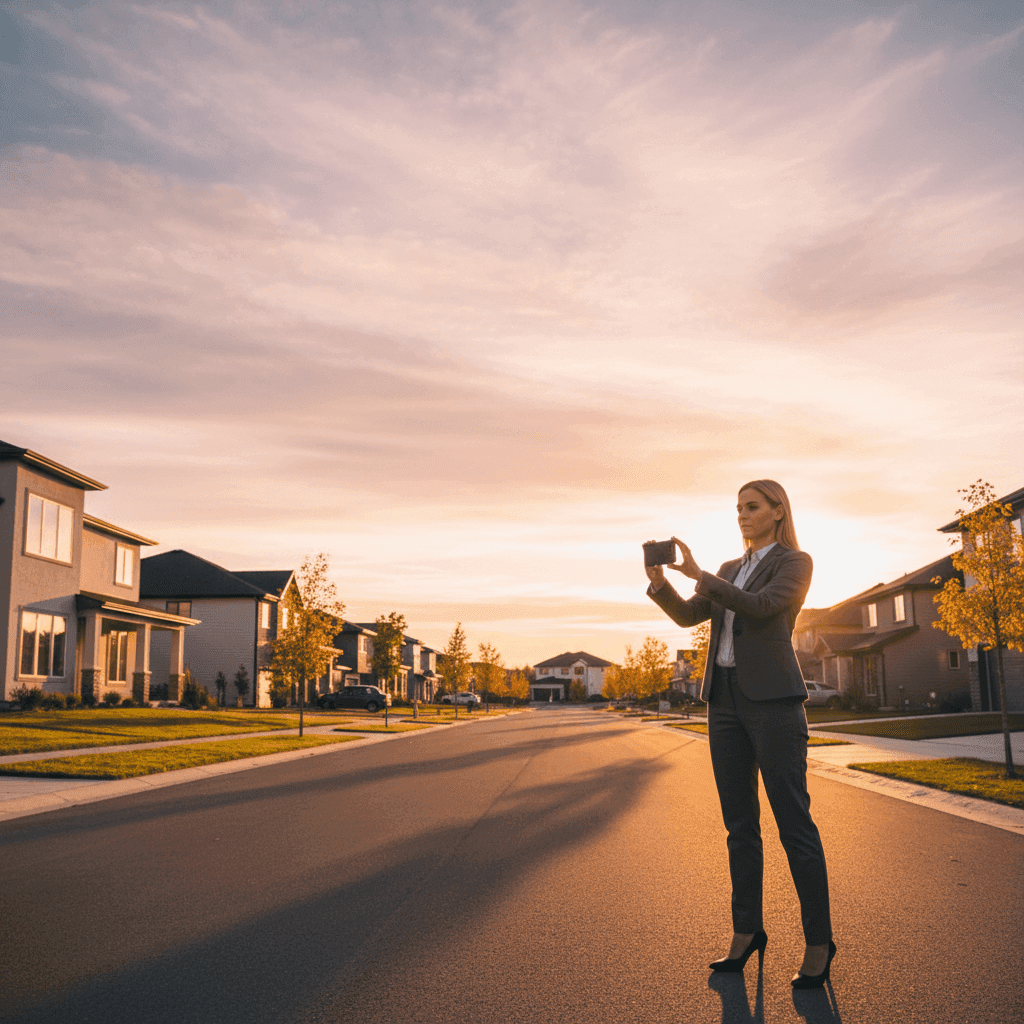
An always-on mobile workflow means you can capture compelling content whenever inspiration strikes. See perfect golden hour lighting on a property's exterior? Shoot and edit a quick highlight reel before the moment passes. Need to create urgency around a price reduction? Have a video posted within hours, not days.
This field-ready approach also supports rapid iteration. You can test different angles, update seasonal exterior shots, or create multiple versions for different social platforms without the logistical complexity of scheduling professional shoots.
The best real estate video app mobile solutions work seamlessly with your existing phone camera and editing workflow, turning your smartphone into a complete video production studio.
Choosing the Best Property Video App
Not all video apps are created equal, especially when it comes to real estate marketing. The best property video app for your business depends on three key factors: your content inputs, your posting frequency, and your target platforms.
Content inputs vary widely among agents. Some work primarily with high-quality listing photos and need tools that transform static images into dynamic video content. Others prefer to shoot live walkthrough footage and need robust editing capabilities. Many successful agents use a combination approach.
Your posting cadence also matters. If you plan to create one showcase video per listing, you might prioritize different features than an agent who wants to post daily social content across multiple properties.
Platform requirements have become increasingly important as vertical video formats dominate social media. With consumers showing growing appetite for property tours and short-form content, your chosen app must support Instagram Reels, TikTok, and YouTube Shorts formatting.
Sources:
Evaluating the Right Listing Video App for Agents (Checklist)
When choosing a listing video app for agents, evaluate each option across six essential categories:
Inputs and Automation
- Photo-to-video conversion capabilities for listings where you have strong photography
- AI-powered editing features and template systems that automatically sync content to music beats
- Customizable text overlays and lower-third graphics for property details and branding
Output Formats and Compliance
- Multiple export ratios: vertical (9:16) for social platforms, square (1:1) for Instagram feed posts, and horizontal (16:9) for YouTube and websites
- MLS-friendly export options without watermarks and compliant text timing that meets local board requirements
Audio and Media Features
- Licensed music library with various genres and moods appropriate for different property types
- Voiceover recording and integration capabilities
- Ambient sound control for maintaining professional audio quality
Speed and Scalability
- Turnaround time from asset upload to finished video (aim for minutes, not hours)
- Batch creation tools for handling multiple properties efficiently
- Team collaboration features for brokerages with multiple agents
Distribution and Social Integration
- Direct export presets optimized for Instagram Reels, TikTok, and YouTube Shorts
- Built-in caption suggestions and hashtag recommendations
- Platform-specific formatting that maintains quality across different social networks
Cost and ROI Analysis
- Subscription pricing compared to recurring videographer expenses
- Clear understanding of when mobile apps make sense versus professional video shoots
- Feature-to-cost ratio that aligns with your typical monthly listing volume
Peachgum particularly excels in the photo-to-video automation category, offering agents a way to create cinematic social content from existing listing photography without requiring video editing experience.
Must-Haves in a Real Estate Video iPhone App (and Android)
iPhone users should prioritize apps that take full advantage of iOS-specific capabilities. Look for advanced image stabilization that works with your phone's built-in camera stabilization, intelligent HDR processing for challenging lighting conditions, and HEVC video handling for optimal file sizes and quality.
Seamless vertical capture is crucial since most real estate content now targets social platforms. The best real estate video iPhone app options also integrate smoothly with AirDrop for quick file sharing and offer optimized exports for immediate social media posting.
Cross-platform considerations matter too, especially for teams using mixed devices. Essential features include template consistency across iOS and Android, shared brand kits that maintain visual identity, and reliable rendering quality regardless of device type.
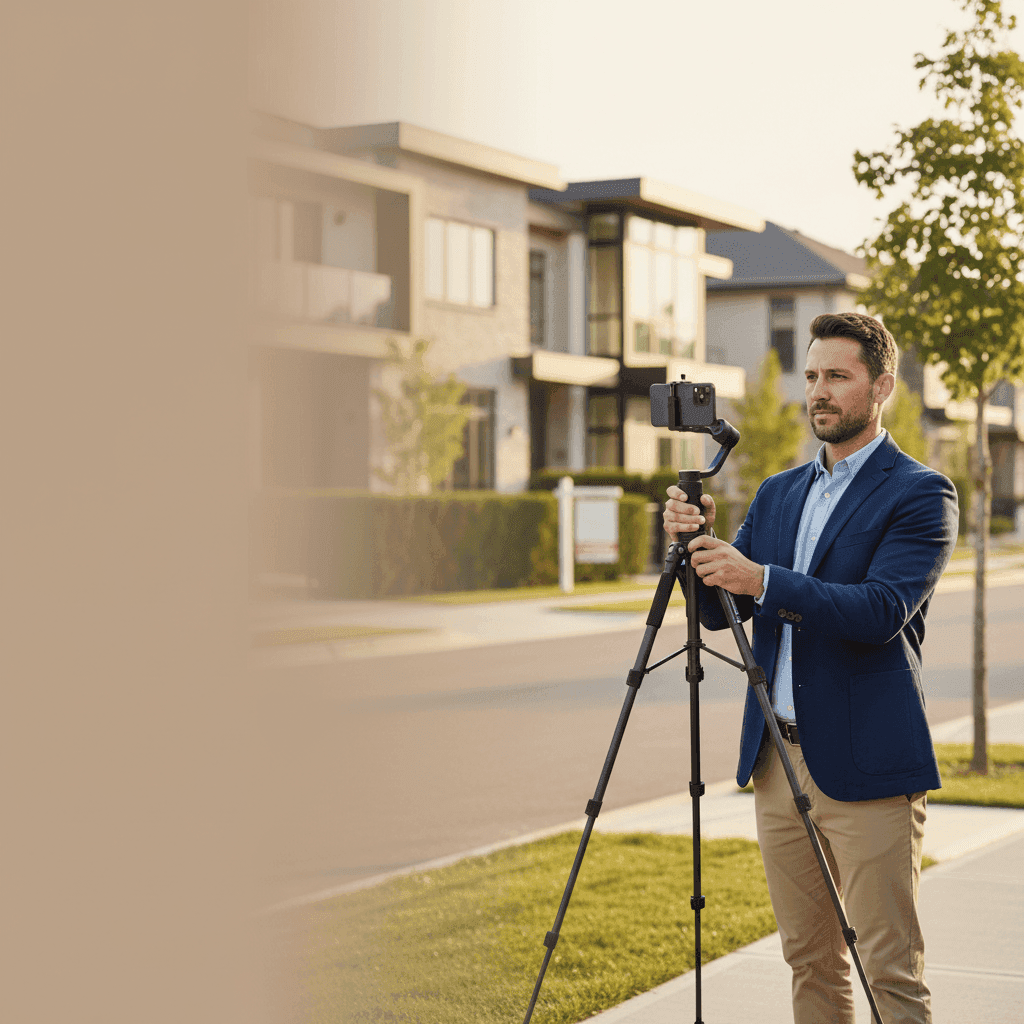
Don't overlook accessory support. Professional-looking mobile videos often benefit from external gimbals for ultra-smooth movement, wireless microphones for better audio, and manual exposure controls for challenging lighting situations.
Top-Rated Property Video Apps (Pros, Cons, and Ideal Use Cases)
Here's how the leading options compare for real estate professionals:
Peachgum transforms listing photos into cinematic short-form videos using AI-powered effects and soundtracks. This tool excels when you have strong photography and need rapid turnaround for social media content. The major advantages include zero editing skills required, finished videos ready for Reels, TikTok, and YouTube Shorts in minutes, and cost-effectiveness compared to repeated professional shoots. The main limitation is focus on photo-based videos rather than live walkthrough capture. Peachgum works particularly well for agents who want consistent social content without learning complex editing techniques.
CapCut offers powerful mobile editing capabilities with extensive templates and automatic beat synchronization. The strengths include robust free tier features and professional-quality output options. However, manual video assembly can become time-consuming for high-volume content creation.
Canva provides template-driven consistency that maintains brand standards across all your video content. It excels at incorporating text and graphics but has limitations in video timeline flexibility for complex editing projects.
Adobe Premiere Rush delivers cross-device project continuity and integrates seamlessly with the broader Adobe ecosystem. The learning curve can be steep for agents new to video editing, and the subscription cost may not justify the features for basic real estate videos.
InShot specializes in quick social media edits with fast rendering for simple cuts and transitions. It's ideal for basic video adjustments but lacks advanced features needed for more sophisticated content.
LumaFusion (iOS) provides professional-grade mobile editing with granular control over every aspect of video production. This power comes with a steeper learning curve that may not be practical for busy real estate professionals.
For most agents, the ideal setup combines photo-to-video automation for rapid social content creation with a more robust editor for occasional custom walkthrough projects.
Harnessing the Potential of a Property Video App
Success with property video apps requires matching your content strategy to what buyers actually want to see. Focus on four core video types: photo montages that highlight key features, quick room highlights that showcase unique selling points, neighborhood teasers that provide local context, and vertical walkthroughs optimized for mobile viewing.
The growing consumer preference for video tours makes this content strategy particularly valuable. In 2021, 68% of consumers preferred video tours with agents for the convenience factor during home shopping, and this preference has only strengthened.
Your workflow should follow a consistent pattern: collect and organize your visual assets, select appropriate templates or effects, choose music that matches the property's mood, add text overlays with essential details like bedrooms, bathrooms, and square footage, then export in platform-specific ratios for maximum impact.
Peachgum streamlines this entire process by automating the transition from photo upload to finished video. Simply select your visual effects and soundtrack preferences, and receive a ready-to-post video within minutes.
Sources:
Tips for Shooting Professional Property Videos with Mobile Apps
Preparation makes the difference between amateur-looking content and videos that build credibility. Before shooting, declutter every space, open all blinds and curtains for maximum natural light, and turn on every light switch in the house. Plan to capture 6-10 hero shots per property that showcase the most compelling features.
During capture, prioritize slow and steady camera movements over quick pans that can appear jerky on mobile screens. Anchor your shots on unique selling points like high ceilings, updated kitchens, or scenic views. Vary your shot composition between wide establishing shots, medium-range room views, and detail shots of special features. Aim for 3-5 seconds per clip to maintain viewer engagement.
Effective storytelling structure hooks viewers within the first 2 seconds by leading with the property's standout feature. Pace your content to match your chosen music, creating a rhythm that feels professional and polished. Always end with a clear call-to-action that guides viewers toward the next step.
Common mistakes that hurt video performance include overexposure from too much bright light, shaky camera movements that look unprofessional, clips that run too long and lose viewer attention, and text overlays that are difficult to read on small mobile screens.
For agents who only have existing photos or need extremely quick turnaround times, Peachgum converts listing photography into cinematic shorts without requiring reshoots or advanced editing skills.
Sources:
Optimizing Property Videos for Marketing Success
Platform-specific optimization dramatically improves your video performance. Vertical 9:16 aspect ratio works best for Instagram Reels, TikTok, and YouTube Shorts. Keep videos between 15-30 seconds for maximum top-of-funnel attention, as shorter content typically receives better engagement rates.
Your posting schedule should prioritize consistency over perfection. Create content regularly rather than waiting for perfect conditions. Schedule teaser content before listings go live, post highlight videos on launch day, and create update videos whenever prices change or new information becomes available.
Metadata optimization includes writing compelling hooks in your first line of caption text, incorporating local and neighborhood keywords naturally, and including clear calls-to-action that guide viewers toward contacting you. Test 2-3 different hashtag sets for each market segment to identify what resonates with your specific audience.
The demand for video content continues growing rapidly. Share of listings with 3D video tours on Zillow rose approximately 200% in 2021, demonstrating how video content can boost listing traffic beyond traditional open house strategies.
Peachgum addresses the optimization challenge by automatically exporting platform-ready vertical videos with professional effects and soundtrack options, significantly reducing the time from content creation to social media posting.
Sources:
Transform Your Marketing with Strategic Video Implementation
The evidence is clear: video has become essential for competitive real estate marketing. With 73% of homeowners preferring agents who use video and listings receiving 403% more inquiries, the opportunity for early adopters is massive. The fact that only 38% of agents currently use video means there's still time to gain a significant competitive advantage.
Your next step should align with your specific business model and technical comfort level. Choose a property video app that matches your content inputs, supports your desired posting frequency, and exports to your target platforms. Then commit to creating consistent, weekly short-form content that compounds your reach over time.
The agents who succeed with video aren't necessarily the most technical or creative. They're the ones who start consistently and improve through practice. Your first video doesn't need to be perfect. It just needs to exist.
Sources:
Frequently Asked Questions
Is a property video app really necessary if I already hire a videographer?
Professional videographers create excellent showcase content for marquee listings, but mobile apps fill crucial gaps in your marketing strategy. Since only 38% of agents currently use video, mobile tools help you maintain consistent content creation for social media, price updates, and quick listing highlights without the cost and scheduling complexity of repeated professional shoots.
What's the difference between a listing video app for agents and general video editors?
Agent-focused applications emphasize features that matter most for real estate marketing: photo-to-video automation, vertical format optimization for social platforms, and quick export presets. General video editors often prioritize complex timeline editing that's unnecessary for most property marketing needs.
What should I look for in a real estate video iPhone app?
Prioritize stabilization technology that works with iOS capabilities, seamless vertical video capture, quick export presets for social platforms, and customizable brand templates. The evaluation checklist in this guide provides comprehensive criteria for choosing the right option.
How fast can I produce a video on mobile?
With template-based systems and automation features, you can create finished videos within minutes of uploading your assets. This speed advantage makes mobile video creation faster than scheduling traditional video shoots, which helps you meet the growing consumer demand for immediate video tours and social content.
Will mobile videos really impact inquiries?
Research consistently shows dramatic results. Listings with video content receive 403% more inquiries than those without video. This performance advantage comes from video's ability to showcase properties more comprehensively and build stronger emotional connections with potential buyers.
Do mobile apps support MLS-compliant versions?
Most professional-grade property video apps allow watermark-free exports and customizable text timing that meets MLS requirements. Always verify specific compliance features with each app, as requirements can vary by local MLS board.
iPhone vs. Android: does it matter?
Both platforms support excellent video creation, though iPhone offers particularly strong built-in stabilization and HDR processing capabilities. Focus on choosing apps that provide feature parity and reliable export quality across both operating systems.
Can I scale this across my team?
Look for applications that offer shared brand kits, consistent templates, and collaborative asset folders. These features enable teams to maintain visual consistency while allowing individual agents to create content efficiently for regular social media posting.
Sources:
Your First Listing Video Is 10 Minutes Away
Ready to turn your listing photos into scroll-stopping shorts that generate real inquiries? The gap between agents using video and those still relying on photos alone won't last forever. But right now, it represents your biggest opportunity to stand out in a crowded market.
Create your next property video with Peachgum and discover how quickly professional-quality content can transform your social media presence and listing performance.
Subscribe to our newsletter for practical weekly tips on real estate video creation, social media optimization, and listing marketing strategies that drive results.