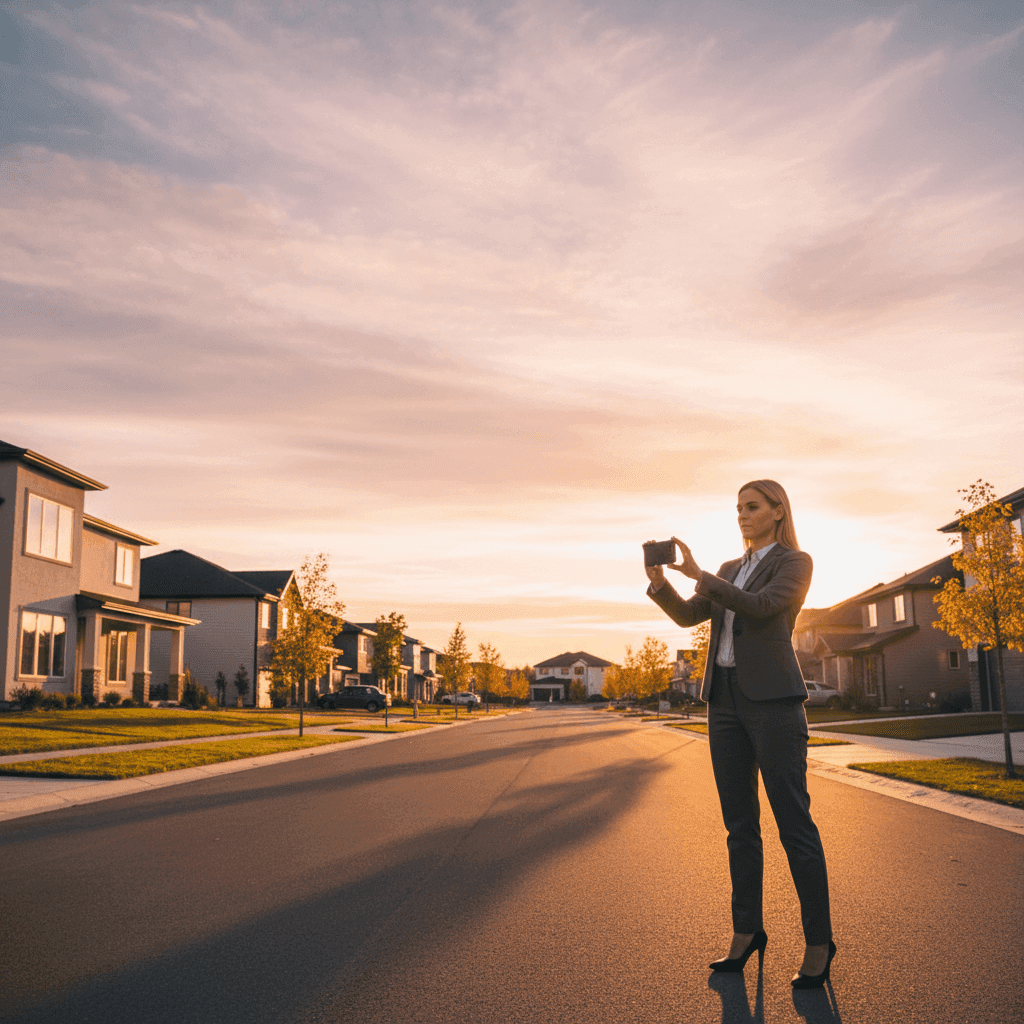
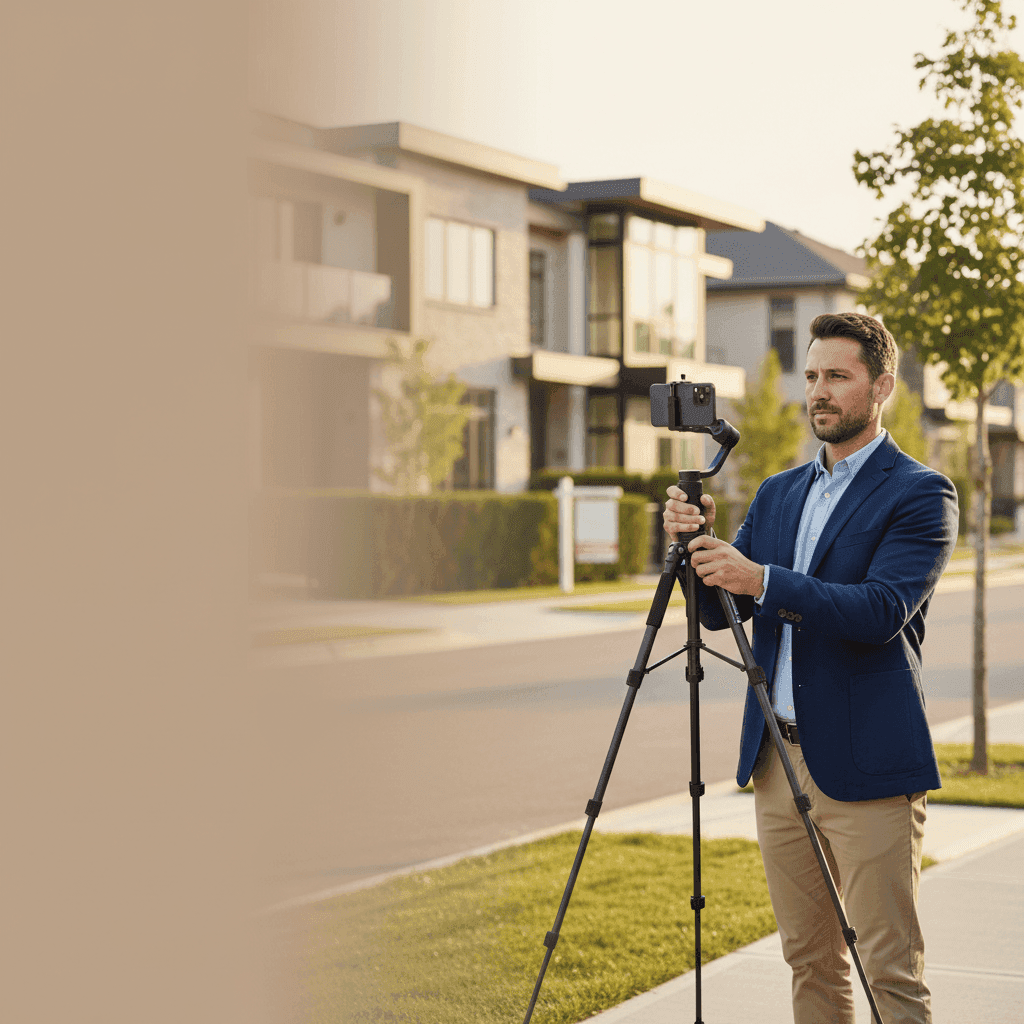
How to Add Music to Real Estate Video with Captions

How to Add Music to Real Estate Video: A Practical Guide for Agents
Most listing videos underperform not because of the footage, but because the audio falls flat. Music shapes emotion, pace, and polish in ways that can make or break a viewer's connection to a property.
Many agents struggle to pick tracks legally, avoid takedowns on Instagram, TikTok, and YouTube Shorts, balance music with voiceover, and add accessible captions for listing videos. The result? Videos that feel amateur, get flagged for copyright issues, or simply don't engage viewers.
In this guide you'll learn how to add music to real estate video from start to finish. We'll cover selecting the right track, sourcing royalty free music real estate options, mixing and syncing like a pro, and implementing video captions for realtors to boost engagement and accessibility.
Video marketing significantly improves audience understanding and engagement, making it a critical tool for real estate professionals looking to stand out in a competitive market.
Sources:
Why Music Matters in Real Estate Videos
Music creates emotional connections that raw footage alone cannot achieve. The right soundtrack influences how viewers perceive property quality, sets the mood for each space, and helps potential buyers remember your listing among dozens of others.
A calm ambient track can make a luxury condo feel serene and sophisticated. Upbeat indie pop can make a family home feel warm and welcoming. The music becomes part of your brand story and property presentation strategy.
Video consistently ranks as one of the highest-performing marketing mediums, directly impacting brand recall and buyer attention spans. In short-form formats like Reels, TikTok, and YouTube Shorts, audio trends drive discovery and engagement.
However, business accounts face strict music licensing constraints that make safe, licensed tracks essential for avoiding content takedowns or legal issues.
Consider these pairing examples:
• Coastal luxury condo: ambient, piano, or downtempo electronic
• Family suburban home: light acoustic or upbeat indie pop
• Urban loft: chillhop, neo-soul, or modern electronic
• Mountain cabin: cinematic, folk/americana, or nature-forward textures
Sources:
TikTok Commercial Music Library
Choosing the Right Real Estate Video Music
Real Estate Video Music Selection: Genre, Tempo, and Vibe
Matching your property type to the right musical elements creates instant emotional resonance. Different property styles call for different approaches to tempo, instrumentation, and energy levels.
For luxury properties, aim for ambient or cinematic tracks in the 70-100 BPM range with minimal percussion. These create sophistication without distraction. Modern urban properties work well with chillhop or electronic music at 90-110 BPM, providing a steady groove that feels contemporary.
Family homes benefit from acoustic or indie pop tracks at 95-125 BPM with warm instrumentation like guitars, piano, or strings. For outdoor or active lifestyle properties, electronic or upbeat tracks at 110-130 BPM with energetic builds can capture that sense of adventure.
Structure your music arc to match your video flow. Use establishing sections for exterior shots, build energy for interior reveals, highlight premium features during musical peaks, and close with a satisfying resolution.
Keep vocals minimal or absent entirely to avoid clashing with on-screen text, agent voiceover, or property details that viewers need to process visually.
Sourcing Royalty Free Music for Real Estate
Understanding "royalty free" music prevents costly mistakes. Royalty free means you pay once for a license to use the track without ongoing royalties, but you still must follow the specific license terms for that track.
Reliable sources for licensed real estate video music include the YouTube Audio Library, which offers free tracks with clear attribution requirements. The Meta Sound Collection provides music specifically cleared for Facebook and Instagram business use.
TikTok's Commercial Music Library serves business accounts with pre-cleared tracks that won't trigger copyright issues. For premium options, Artlist and Epidemic Sound offer extensive libraries with comprehensive commercial licenses.
Before using any track, complete this quick checklist:
• Confirm license scope covers your intended use
• Verify platform coverage (Instagram, TikTok, YouTube, etc.)
• Check if business/commercial use is permitted
• Note any attribution requirements
• Understand duration limits or editing restrictions
When choosing music, Peachgum includes a curated soundtrack library with visual effects, helping agents quickly pair tracks that fit the property mood without requiring editing experience.
Sources:
TikTok Commercial Music Library
How to Add Music to Real Estate Video: Tools and Steps
Technical Steps to Add Music (Desktop & Mobile)
Desktop editing offers the most control for professional results. In Adobe Premiere Pro, import your music track, place it on a separate audio track below your main video, trim the start and end points, and adjust levels using the audio mixer panel.
For Mac users, iMovie provides a simpler approach. Drag your music file directly to the timeline, use the volume controls to balance levels, and apply fade-in and fade-out effects for smooth transitions.
Mobile editing has become surprisingly capable. iMovie for iOS allows you to add soundtrack files or import from Apple Music (where licensed), with straightforward volume adjustment tools.
TikTok and Instagram offer in-app audio addition, but business accounts face significant limitations with popular commercial tracks. Always verify that your chosen music won't trigger copyright flags before posting.
YouTube Studio provides access to their Audio Library during post-upload editing, though with limited mixing controls compared to dedicated editing software.
With Peachgum, you can upload listing photos, select a visual effect and soundtrack, and get a finished short-form video in minutes. This approach is often faster and more cost-effective than hiring a videographer.
Balancing Voiceover and Music Levels
Proper audio balance makes the difference between amateur and professional results. Keep background music approximately 10-15 dB lower than voiceover to ensure speech remains clear and prominent.
Use audio ducking to automatically lower music volume when someone speaks, then bring it back up during silent moments. Most editing software includes this feature in their audio effects.
Apply gentle fade-ins and fade-outs to prevent abrupt starts and stops that jar the viewer. Monitor your audio levels consistently, watching for red peaks that indicate clipping or distortion.
Test your final mix on both phone speakers and desktop speakers to ensure it translates well across devices. If you don't have voiceover, you can let music sit higher in the mix, but keep it below the prominence of on-screen text and visual information.
Export and Platform Notes
License verification becomes critical at the export stage. Ensure your chosen tracks are cleared for your intended platforms, especially for Instagram and TikTok business accounts where popular commercial music often triggers automatic removal.
For short-form content, export in vertical 9:16 aspect ratio with platform-appropriate loudness levels. Avoid over-compression that creates harsh high frequencies or muddy low end.
Different platforms have different audio specifications and tolerance levels. YouTube generally accepts a wider range of audio formats, while Instagram and TikTok are more restrictive about both technical specs and licensing compliance.
Sources:
TikTok Commercial Music Library
Add Music to Real Estate Video Like a Pro: Timing, Sync, and Mixing Tips
Syncing to the Beat
Professional video editors sync cuts and transitions to musical beats, creating subconscious rhythm that keeps viewers engaged. Identify the downbeats (the strong first beat of each measure) and align major scene changes to these moments.
Time your exterior-to-interior transitions with phrase changes that typically occur every 4-8 bars. Use track introductions for property exterior reveals, B-sections for showcasing kitchens and living areas, and musical crescendos to highlight premium features like master suites or outdoor spaces.
This synchronization creates a natural flow that feels intentional rather than accidental, elevating the perceived production value of your video content.
Using Edits, Fades, and Loops
Smooth audio transitions require careful attention to crossfades, typically lasting 6-12 frames to prevent jarring jumps between sections. For longer property tours, loop compatible sections of your chosen track rather than letting it end abruptly mid-video.
Plan your video ending to coincide with a natural musical cadence, such as the end of a phrase or a gentle fade. Apply a short fade-out of 0.5-1.5 seconds to create a polished conclusion.
These techniques separate amateur content from professional presentations, making your listings feel more premium and carefully crafted.
Avoiding Distraction
When adding captions for listing videos or agent voiceover, keep background music sparse and instrumental to maintain clarity. Vocal music competes with spoken content and on-screen text for viewer attention.
If your editing software includes equalizer controls, gently reduce frequencies in the 2-4 kHz range when voiceover is present. This frequency range contains much of human speech intelligibility, so reducing musical content here helps speech cut through the mix.
The goal is enhancement, not competition. Your music should support and elevate your content without overwhelming the key information you want to communicate.
Sources:
TikTok Commercial Music Library
Enhancing Real Estate Videos with Captions
Benefits of Using Captions in Listing Videos
Captions dramatically improve accessibility for Deaf and hard-of-hearing audiences while meeting web accessibility best practices that benefit all users. Beyond legal compliance, captions serve a crucial marketing function.
Many social media users watch videos with sound turned off, especially in public spaces or during work hours. Captions increase comprehension and retention for these silent viewers, potentially expanding your reach significantly.
Research consistently shows that captioned content performs better across metrics like watch time, engagement, and conversion rates. For real estate professionals, this translates directly to more qualified leads and listing inquiries.
How to Add Video Captions for Realtors
Most major platforms now offer automatic caption generation. TikTok, Instagram, and YouTube can create captions from your audio track, though you should always review and edit these for accuracy before publishing.
For more control, create SRT (SubRip Subtitle) files that you can upload directly to platforms like YouTube. These text files contain precisely timed caption text that displays exactly as you intend.
Burned-in captions, created in your video editor, ensure visibility across all platforms but sacrifice searchability since the text becomes part of the video image rather than readable metadata.
Follow these best practices for effective captions:
• Keep caption chunks to 1-2 lines with 32-40 characters per line when possible
• Use high-contrast text with adequate margins to avoid covering key property features
• Write concise, descriptive highlights like "South-facing windows • White oak floors • Quartz island"
• Time captions to appear and disappear naturally with speech or visual cues
While online real estate videos aren't governed by universal captioning laws, following WCAG recommendations improves accessibility and reduces barriers for potential clients.
Peachgum produces short-form videos with curated music and cinematic pacing from your listing photos. Pair these with platform-native auto-captions to quickly publish accessible, ready-to-post content.
Sources:
WCAG 2.2 Captions (Prerecorded)
Quick-Start Checklist to Add Music to Real Estate Video
Start by picking a musical vibe that matches your property type and target audience. Luxury properties call for sophisticated ambient tracks, family homes work with warm acoustic music, and urban properties benefit from contemporary electronic sounds.
Source a properly licensed track from reliable platforms like YouTube Audio Library, Artlist, Epidemic Sound, Meta Sound Collection, or TikTok's Commercial Music Library. Verify that your chosen license covers business use on your intended platforms.
During editing, place your music track on a separate audio layer and trim the start to begin on a musical "hit" or downbeat. Set your audio levels with voiceover or narration taking priority, then duck background music 10-15 dB below speech levels.
Add subtle fade-in and fade-out effects to prevent abrupt transitions. Sync key visual cuts to musical beats or phrase changes for professional polish. Export in vertical format for short-form social media platforms.
After export, add captions using either automatic platform tools or uploaded SRT files. Review caption accuracy and ensure adequate contrast for readability. Post natively to Instagram, TikTok, and YouTube Shorts for maximum platform optimization.
For a streamlined approach, try Peachgum for a faster workflow. Upload photos, select your preferred effect and soundtrack, then export a polished, music-scored vertical video in minutes.
Frequently Asked Questions About Adding Music to Real Estate Videos
Can I use popular songs on Instagram or TikTok?
For business accounts, popular commercial tracks face significant restrictions and often result in content removal. Use platform-approved libraries or properly licensed tracks to avoid copyright issues and maintain consistent posting ability.
What's the safest way to avoid copyright problems?
Stick to royalty-free music libraries and carefully verify that your license covers commercial use on your intended platforms. Read the specific terms for each track, as licenses can vary even within the same music library.
What volume should my background music be?
Aim for background music approximately 10-15 dB below any voiceover or narration. Test your final mix on both phone and desktop speakers to ensure speech remains clear and music enhances rather than competes.
Do I need captions if my video only has music?
If your video includes any spoken content, property descriptions, or important on-screen information, captions significantly improve accessibility and viewer comprehension, especially for users watching without sound.
Where can I find free music tracks?
YouTube Audio Library and Meta Sound Collection provide free options with clear usage rights. Always verify attribution requirements and platform restrictions before using any "free" music in commercial real estate content.
Sources:
TikTok Commercial Music Library
Your Next Listing Video Is Just Minutes Away
Adding the right real estate video music transforms ordinary property footage into compelling marketing content that resonates with potential buyers. Licensed music sources keep you safe from copyright issues, professional mixing and syncing techniques elevate your production value, and captions for listing videos increase both reach and accessibility.
Your action plan starts with choosing a properly licensed track that matches your property's vibe, syncing your edits to the musical rhythm, keeping background music appropriately balanced under any voiceover, adding accurate captions, and publishing across all major social platforms.
Ready to skip the technical learning curve entirely? Transform your listing photos into cinematic, ready-to-post videos with curated music using Peachgum. It's faster, more affordable than hiring a videographer, and delivers professional results that help your listings stand out in a crowded market.