AI Video Open House Promotion Tips That Drive Attendance

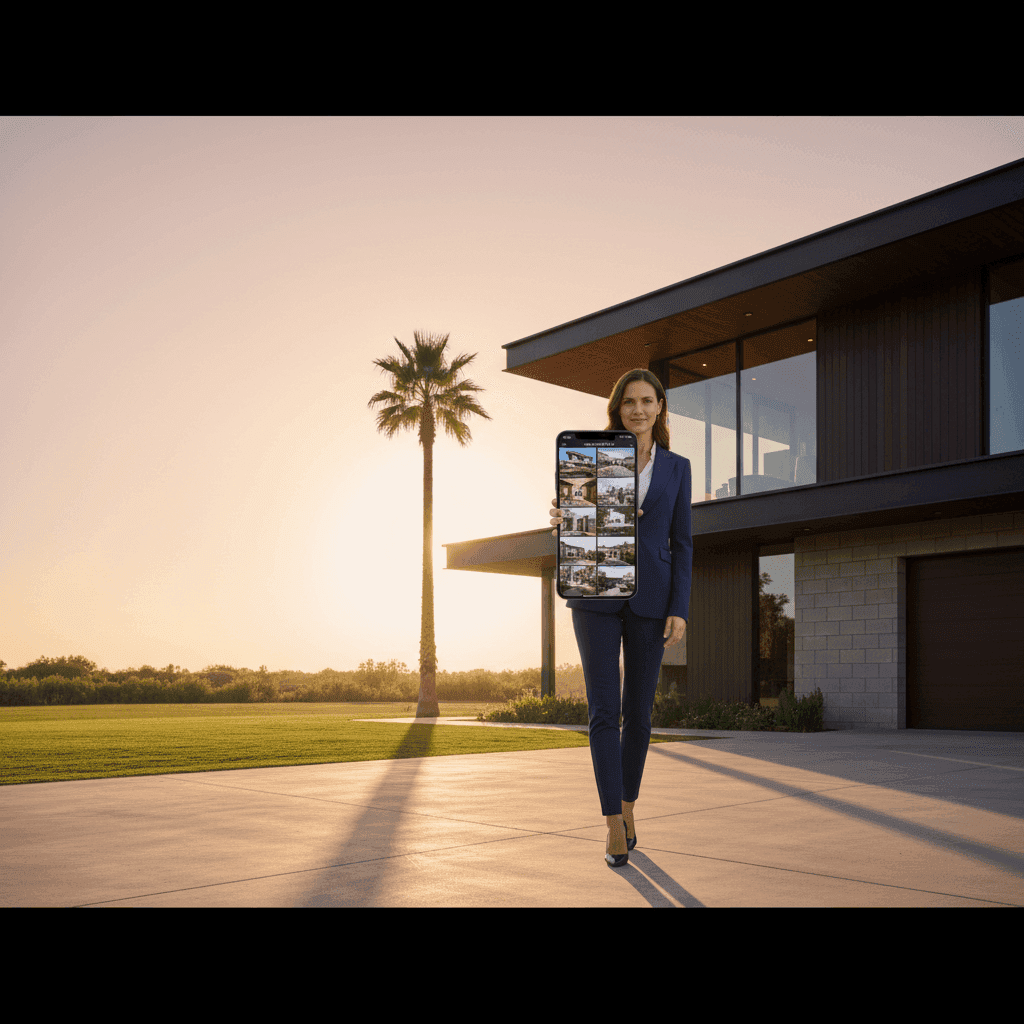
AI Video Open House Promotion: A Practical, Step-by-Step Guide for Agents
Your open house is this weekend. Your photos look stunning on the MLS. But when you post them on Instagram, TikTok, and YouTube Shorts, they get lost in the scroll. Without video, your posts get skipped, and your open house attendance suffers.
Many agents understand that video works, but they lack the time, budget, and editing skills to create compelling content consistently. This bottleneck stalls open house momentum and limits lead generation potential when you need it most.
In this guide, you'll master the fundamentals of ai video open house promotion with simple scripts, shot lists, and an exact distribution playbook for Instagram, TikTok, and YouTube Shorts. You'll also discover how to transform ordinary listing photos into cinematic short-form videos in minutes, without any editing experience.
The data supports this approach. Short-form video continues to deliver the highest ROI among all social media formats, according to HubSpot's latest marketing trends report. Additionally, the National Association of REALTORS found that social media ranks as a top lead-generation channel for real estate professionals in their Real Estate in a Digital Age report.
Understanding AI Video Open House Promotion and Open House Video Marketing
Open house video marketing represents a strategic shift in how agents promote their weekend events. Instead of relying solely on static photos and text posts, this approach leverages short, vertical videos that preview the home's key features, highlight the neighborhood, communicate timing details, and include clear calls-to-action. These videos get distributed across social channels and messaging apps to maximize reach and engagement.
AI technology now removes the traditional editing bottlenecks that prevented consistent video creation. Modern AI tools can accelerate the entire production process, making it feasible to create professional-quality videos ahead of every open house, regardless of your technical skills or available time.
This strategy fits into three distinct parts of the buyer journey. Awareness-stage content includes teaser videos that generate initial interest. Consideration-stage videos showcase specific features and neighborhood benefits. Conversion-focused content drives RSVPs and direct message inquiries for additional details.
Short-form video drives superior ROI for marketers across industries, making it a natural fit for real estate promotion, as documented in HubSpot's comprehensive social media analysis. The National Association of REALTORS research confirms that social media serves as a top lead-generation tool for real estate professionals, reinforcing the importance of video-first strategies.
What is Open House Video Marketing?
Open house video marketing centers on creating short-form content that previews key value propositions within 15 to 45 seconds. These videos are optimized for mobile-first viewing and designed to work effectively with or without sound, accommodating different viewing preferences and environments.
The primary goal is converting initial interest into actual foot traffic and sign-ins at the open house. These videos can be repurposed later for price-change announcements, second-weekend promotions, or even future listing presentations as portfolio pieces.
Research from Verizon Media and Publicis reveals that many viewers watch social media videos with sound disabled. This behavior makes captions and on-screen text essential components rather than optional additions.
How AI Enhances Open House Video Marketing
AI technology provides three practical advantages that transform open house video marketing from a time-intensive process into a streamlined workflow.
Speed becomes the most obvious benefit. AI tools can convert a collection of photos and bullet points into ready-to-post videos within minutes, eliminating hours of traditional editing work. This acceleration makes it realistic to create fresh video content for multiple listings each week.
Consistency improves through AI-powered templates and effects that standardize your brand appearance across all listings. Instead of manually adjusting colors, fonts, and transitions for each property, AI maintains visual cohesion automatically.
Optimization features handle technical details like auto-cropping to vertical format, pacing adjustments, caption generation, and soundtrack selection. These capabilities ensure your content meets platform requirements and viewer expectations without manual fine-tuning.
The scale of short-form video consumption supports this AI-enhanced approach. TechCrunch reports that YouTube Shorts alone reaches over 2 billion logged-in monthly users, representing massive discovery potential for real estate content.
Peachgum exemplifies this AI enhancement by turning listing photos into cinematic short-form videos with visual effects and soundtracks. The platform requires no editing skills and integrates seamlessly into recurring open house workflows, making professional video creation accessible to any agent.
Sources:
Promote Open House with AI Video: Your AI Video Open House Promotion Game Plan
Creating effective open house videos requires a systematic approach that can be completed in under an hour per property. This process becomes repeatable and scalable when you establish clear guidelines and follow a structured workflow.
Guidelines for Creating Impactful AI Videos
Successful open house videos start with proven script frameworks that you can adapt to any property. Choose the approach that best matches your listing and target audience.
The teaser format opens with the property's best feature as a hook, identifies the ideal buyer persona, provides when and where details, and closes with a clear call-to-action like "RSVP" or "DM me OPEN." This framework works particularly well for unique properties with standout features.
The feature stack approach highlights three must-see features in quick succession, showcases the neighborhood vibe, communicates open house times clearly, and ends with a strong call-to-action. This structure suits well-rounded properties in desirable areas.
The problem-solution framework identifies a common buyer frustration, demonstrates how this specific home solves that issue, provides visual proof through key photos, and concludes with a conversion-focused call-to-action. This approach works effectively for properties that address specific market needs.
Visual pacing significantly impacts viewer engagement. Plan for 2-3 seconds per photo, always start with your hero shot, and conclude with the front exterior image alongside open house times. This timing keeps viewers engaged without rushing through important details.
On-screen text should feature large, high-contrast fonts that remain readable on mobile devices. Always include the property address, date, and time information. These details help viewers remember and share your event.
Soundtrack selection influences the overall mood and retention. Choose upbeat, non-distracting music that matches the property's personality, whether modern, classic, or family-friendly. The audio should enhance rather than compete with your message.
Accessibility and retention strategies can dramatically improve your video performance. Always include captions to serve viewers watching without sound. Front-load your strongest hook within the first 2 seconds to prevent immediate scroll-away. Add subtle motion effects like pans and zooms to static photos, which increases watch time compared to completely static presentations.
Verizon Media and Publicis research confirms that viewers frequently watch with sound disabled, making captions essential for comprehension and completion. HubSpot data shows that short-form content delivers the highest ROI when optimized for 9:16 vertical format, supporting the mobile-first approach.
Peachgum automates many of these best practices by adding cinematic motion to static photos, supporting vertical format optimization, and providing a curated soundtrack library. This automation accelerates production without requiring a videographer or extensive editing knowledge.
Step-by-Step Workflow to Promote Open House with Video (30-45 Minutes)
This four-step process transforms listing assets into distributed video content within 45 minutes, making weekly video creation realistic for busy agents.
Step 1 involves preparation and takes approximately 10 minutes. Gather 10-15 of your best listing photos, focusing on hero shots, key features, and neighborhood context. Select 3 primary selling points that differentiate this property from similar listings. Confirm the exact address and open house times to avoid any scheduling confusion.
Step 2 focuses on creation and requires 10-15 minutes. Use your chosen AI tool to generate a 20-35 second vertical video that incorporates captions and background music. This timeframe includes uploading photos, selecting templates, and making minor adjustments to match your brand.
Step 3 covers distribution and takes 10-15 minutes of focused posting. Upload your video natively to Instagram Reels, TikTok, and YouTube Shorts with platform-optimized descriptions. Create an Instagram Story featuring a countdown sticker for additional urgency. Share the video in relevant local Facebook Groups where your target buyers congregate. Send the video to your sphere of influence via text message with a shortened link for easy sharing. Pin the video to your Instagram profile to maximize visibility throughout the promotion period.
Step 4 handles follow-up activities in approximately 5 minutes. Respond to comments and direct messages within the first hour of posting to maximize algorithmic reach. Add a Q&A section to your caption addressing common buyer questions. Re-share the video to your Instagram Stories on the morning of the open house for final promotion.
YouTube Shorts reaches over 2 billion logged-in monthly users, while social platforms consistently prioritize short-form video content for organic reach and engagement ROI.
Peachgum serves as the ideal creation step in this workflow, transforming the production phase from days to minutes. This speed advantage becomes particularly valuable when compared to hiring a videographer, which typically costs $500-$1,500+ per shoot and requires advance scheduling that doesn't align with the fast-paced nature of open house marketing.
Sources:
Open House Social Media Video: AI Video Open House Promotion on Instagram, TikTok, and YouTube Shorts
Each major social platform has distinct characteristics that influence how your open house social media video performs. Understanding these nuances and optimizing accordingly dramatically improves your reach and engagement rates.
Peachgum exports vertical, platform-ready files optimized for Instagram, TikTok, and YouTube Shorts, streamlining the multi-platform distribution process with consistent formatting and quality across all channels.
Instagram Reels
Instagram Reels perform best with a 20-35 second hero-feature-CTA format that showcases your property's strongest selling point upfront. Include location hashtags specific to your neighborhood and tag the general area to improve local discovery. This combination helps potential buyers in your target market find your content organically.
Optimization strategies focus on visual appeal and discoverability. Use an eye-catching cover image that includes the property address and key details. Add captions throughout the video and incorporate on-screen text for viewers watching without sound. Pin successful Reels to your profile to maintain visibility beyond the initial posting period.
Distribution tactics extend your reach beyond your existing followers. Share each Reel to your Instagram Stories with countdown stickers to create urgency around the open house timing. Use collaboration tags with team members or lending partners to tap into their audiences and increase overall reach through cross-promotion.
TikTok
TikTok content should open with neighborhood-focused hooks like "Inside a [Area] home under $X" followed by a feature stack and clear timing information. This approach leverages TikTok's algorithm preference for location-based and value-focused content that resonates with local users.
Optimization requires platform-native elements rather than obvious cross-posting. Use TikTok's built-in text overlay tools instead of pre-rendered captions. Research local hashtags that your target buyers follow. Incorporate geo-relevant sounds and music trends that align with your market's preferences.
Engagement strategies should focus on community building through response videos. Reply to common questions about price, features, or neighborhood details using TikTok's video reply feature. This approach creates additional content while demonstrating your expertise and responsiveness to potential buyers.
TikTok Newsroom data shows the platform has surpassed 1 billion monthly users, making it a massive discovery channel for real estate content that targets younger demographics and first-time buyers.
YouTube Shorts
YouTube Shorts should feature your best 6-8 photos in a teaser format with clear address and timing information displayed as on-screen text. The platform's search functionality makes detailed descriptions more valuable than on other platforms.
Optimization strategies should leverage YouTube's search capabilities. Include relevant keywords in your title and description, such as "Open House in [City]: [Street Address]" or "New Listing Tour: [Neighborhood] Home." Add a pinned comment with RSVP links or contact information to capture interested viewers.
Repurposing opportunities help build long-term channel value. Compile individual Shorts into themed playlists like "This Week's Open Houses" or organize by neighborhood and price range. This organization helps potential buyers discover multiple relevant properties and positions you as the local market expert.
The scale of YouTube Shorts with 2 billion logged-in monthly users makes it essential for reach-focused strategies, particularly when targeting buyers who research extensively before making contact.
Sources:
Virtual Open House Video: The Future of Real Estate Marketing
Virtual open house video represents an evolution in real estate marketing that extends reach beyond traditional geographic and scheduling constraints. This approach complements or replaces in-person events while creating content assets that work continuously for lead generation.
What is a Virtual Open House?
A virtual open house combines pre-recorded or livestreamed property tours with short-form distribution strategies designed to reach buyers who cannot attend traditional weekend events. This format expands your potential audience to include out-of-area buyers, busy professionals, and anyone with scheduling conflicts.
The business benefits extend beyond simple convenience. Virtual open house video functions as a 24/7 showing tool that continues generating interest long after recording. These videos also serve as powerful assets in listing presentations, demonstrating your marketing sophistication to potential sellers.
Buyers increasingly value virtual tours, floor plans, and videos when browsing listing websites, according to NAR's comprehensive research on digital behavior in real estate transactions. This preference supports the strategic value of virtual content creation.
Turning Listing Photos into a Virtual Open House Video (When You Can't Film)
When scheduling conflicts or property conditions prevent traditional video recording, photo-to-video AI tools create compelling virtual experiences that simulate walkthrough feelings using static images.
The approach requires strategic sequencing that mirrors natural movement through the property. Arrange 12-18 photos in logical flow: exterior curb appeal, entry and foyer, main living areas, kitchen details, primary bedroom, and outdoor spaces. This progression helps viewers mentally navigate the space.
Enhanced features improve the virtual experience significantly. Add voiceover narration or strategic on-screen text that guides viewers through each transition: "From the welcoming front porch" to "into the bright, open living area" to "the chef's dream kitchen." Include map pins showing location context and commute times to major employers or amenities.
The technical execution should include clear calls-to-action throughout the video. End with prompts to "RSVP for weekend viewing" or "DM me VIRTUAL for a private showing." These specific CTAs help convert viewers into qualified leads.
Short-form video maintains its position as a top attention driver across all platforms, particularly on mobile devices where most real estate content consumption occurs.
Peachgum excels at rapidly producing virtual open house highlight reels from existing listing photos. The platform adds cinematic motion and professional music that creates an engaging walkthrough experience, making it ideal for last-minute scheduling needs or properties where traditional filming isn't practical.
Sources:
Measurement and Iteration for AI Video Open House Promotion
Tracking performance metrics and iterating based on results transforms video marketing from guesswork into a strategic advantage. Focus on metrics that directly correlate with open house attendance and lead generation.
Hook effectiveness measures how well your opening moments capture attention. Track 3-second view rates compared to total impressions to understand what percentage of viewers engage beyond the initial scroll. Strong hooks typically achieve 30-40% engagement at the 3-second mark.
Watch time and completion rates indicate content quality and relevance. Aim for 70% completion rates or higher on 20-30 second clips. Lower completion rates suggest pacing issues, unclear messaging, or mismatched audience targeting that requires adjustment.
Engagement metrics focus on conversion actions rather than vanity metrics. Monitor clicks to your profile, direct message inquiries, RSVP responses, and pinned comment interactions. Track "remind me" taps on Instagram Stories and save rates across platforms.
Attendance impact provides the ultimate success measurement. Compare sign-ins at video-promoted open houses versus baseline events without video promotion. Document the quality of leads generated through video versus traditional marketing channels.
Iteration strategies should test one variable at a time for clear results. Experiment with different opening hooks while keeping visuals consistent. Test various first images to see which properties photos generate the highest engagement. Try different soundtrack tempos or styles to match your target demographic preferences.
Timing tests reveal optimal posting schedules for your specific market. Compare performance when posting 48 hours before the open house versus 24 hours versus morning-of promotion. Document which timing generates the highest attendance rates.
Caption framework testing helps refine your messaging approach. Compare "3 reasons to see this home today" versus "Inside a [Neighborhood] gem" versus problem-solution formats. Track which approaches generate more comments, saves, and direct inquiries.
Video marketing's demonstrated strong ROI across industries justifies ongoing testing and iteration investments. Social media remains a key lead-generation channel for real estate agents, making optimization efforts directly valuable for business growth.
Sources:
Your Next Open House Video Is Just Minutes Away
AI technology has eliminated the traditional barriers that prevented consistent open house video marketing. Production friction no longer exists when you can transform listing photos into compelling promotional videos within minutes rather than hours or days.
The attention and ROI concentration in short-form video makes this shift from optional to essential for competitive real estate marketing. Properties promoted with strategic video content consistently outperform static-only listings in both engagement metrics and actual attendance.
Building sustainable success requires systematizing your approach rather than treating each open house as a separate challenge. Create a weekly checklist that includes photo gathering, video creation, and multi-platform distribution. Develop templates for scripts and captions that can be customized quickly for different price points and neighborhoods.
Schedule your video posts strategically: 48-24 hours before the event for maximum reach, plus a morning-of push to capture last-minute decisions. Build a library of reusable caption frameworks and hooks that work consistently across different property types and market segments.
The research consistently supports this video-first approach. Short-form video maintains its leadership position for ROI across all social media formats. Platform scale continues expanding, with YouTube Shorts alone reaching over 2 billion users monthly for unprecedented discovery potential.
Transform your next open house marketing in minutes rather than days. Peachgum converts your listing photos into cinematic, ready-to-post short-form videos with professional effects and soundtracks. No editing skills required, no expensive videographer needed - just upload your photos and download platform-optimized content that drives real results.
Sources: