How to Create AI Virtual Staging Video That Sells Homes

Transforming Real Estate Showcases with AI Virtual Staging Video
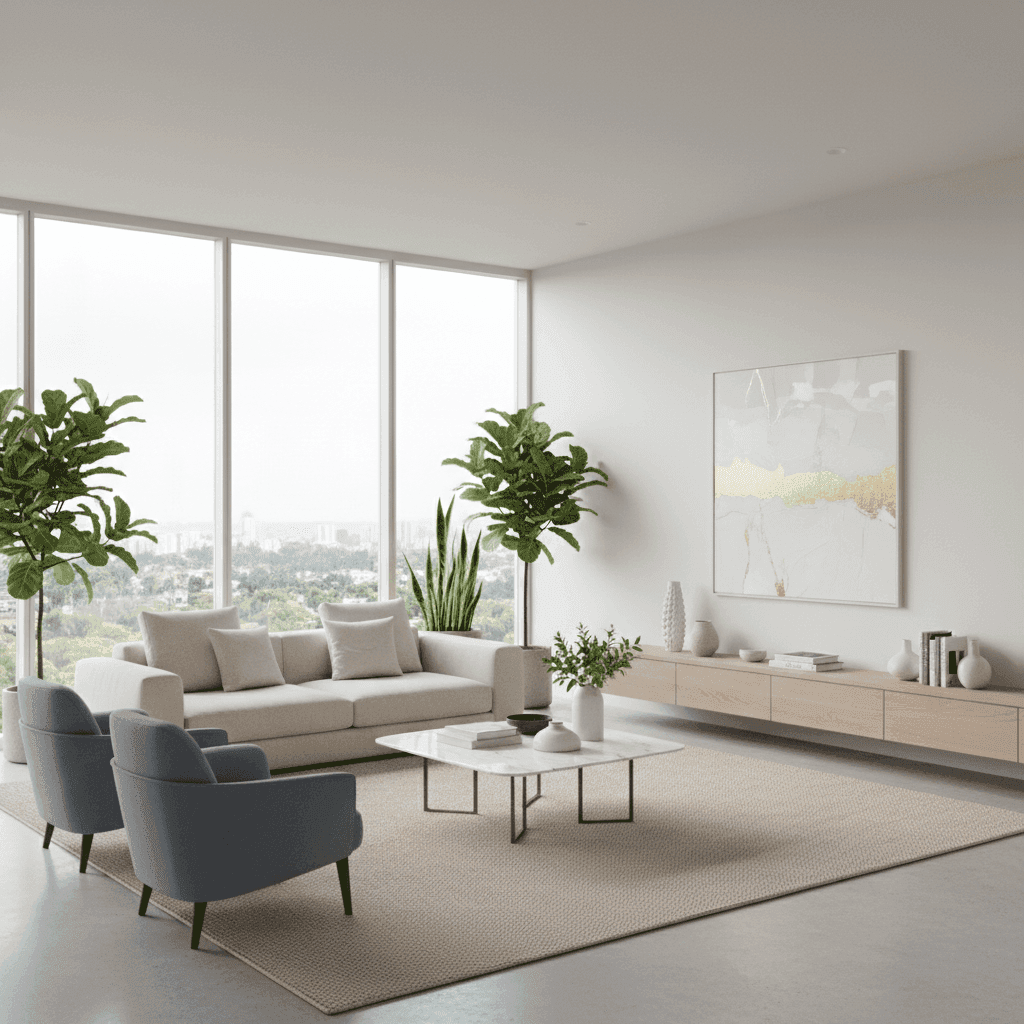
Buyers make snap decisions on mobile devices, often within seconds of seeing a listing photo. An ai virtual staging video can turn an empty room into a believable, furnished walkthrough in minutes, no crew required. Traditional staging costs thousands and takes weeks. Professional videography adds another layer of expense and scheduling complexity.
The solution lies in combining AI staging technology with video creation tools. You can now transform vacant properties into compelling visual stories that stop the scroll and drive showings. This guide covers what AI virtual staging video is, how a virtual staging video tour works, the tools you need to start, and a practical workflow from empty room to staged video. You'll also learn common pitfalls to avoid and see real metrics that prove this approach works.
A New Frontier: AI Virtual Staging Video in Real Estate
The real estate marketing landscape is shifting toward speed and visual impact. Agents need content that works across Instagram Reels, TikTok, YouTube Shorts, and traditional MLS platforms. AI virtual staging video delivers this versatility while solving the core challenge of helping buyers visualize empty spaces as future homes.
Research shows that 83% of buyer's agents believe staging a home makes it easier for buyers to visualize the property as a future home. This visualization advantage translates directly to digital formats. Staged homes sell faster than non-staged counterparts, underscoring the value of creating compelling visual assets for every listing.
Sources:
The Concept behind AI Virtual Staging
AI virtual staging differs from physical staging in speed, cost, and flexibility. Instead of renting furniture and hiring decorators, you upload photos of empty rooms. AI algorithms place realistic furniture, decor, and lighting that matches the room's perspective and architectural features.
The key advantage over static staged images is motion. An ai furnished room video creates a narrative flow. Viewers experience walking through the space rather than jumping between disconnected photos. This storytelling approach helps buyers understand room relationships, traffic flow, and the overall feel of living in the home.
Modern AI staging maintains realistic standards. The technology accounts for perspective, ensures lighting consistency across furniture and walls, and matches design styles to room functions. A master bedroom gets different treatment than a home office. Colors and textures complement existing fixtures rather than clashing.
This approach works best for pre-listing marketing, refreshing stale listings that haven't generated interest, and showcasing new construction or presale properties where physical staging isn't practical.
From Empty Room to Staged Video: Step-by-Step
The workflow starts with capturing quality photos of empty rooms. Use consistent lighting and shoot from multiple angles that highlight each room's best features. Clean and declutter completely. Even AI staging can't hide obvious maintenance issues or distracting personal items.
Next, apply AI staging styles matched to each room's intended function. Living rooms might get contemporary sectionals and coffee tables. Kitchens could feature place settings and small appliances that suggest active cooking. Bedrooms need appropriate furniture scales that don't overwhelm the space.
The magic happens in sequencing staged images into an empty room to staged video storyline. Start with exterior shots to establish curb appeal. Move through the front entrance, then follow a logical path through main living areas, kitchen, bedrooms, and bathrooms. End with outdoor spaces or special features like home offices.
Polish the final video with captions that highlight key features, background music that matches your brand, and pacing that gives viewers time to absorb each space. Keep individual room reveals between 3-5 seconds for social media formats.
Always disclose virtually staged visuals in accordance with your brokerage and MLS requirements. Transparency builds trust and protects you from potential issues with buyers who expect to see the exact staged setup during showings.
After you've staged your photos, use Peachgum to turn them into cinematic short-form videos in minutes. No editing skills or videographer needed.
Sources:
Virtual Staging Video Tour: A Walkthrough
A virtual staging video tour guides potential buyers through a property like an in-person showing. The difference is accessibility. Buyers can experience your listing anytime, from anywhere, without scheduling conflicts or geographic limitations.
Fast turnaround from modern AI staging tools makes video tours feasible for every listing. Tools can stage individual images in under one minute, meaning you can create a complete tour within hours of shooting empty rooms rather than waiting weeks for traditional staging and videography.
Sources:
How a Virtual Staging Walkthrough Works
The most effective virtual staging walkthrough follows buyer psychology. Start with exterior shots that establish neighborhood context and curb appeal. Move to the front entrance, which sets expectations for the interior experience.
Progress through spaces in order of buyer priorities. Most buyers want to see main living areas first, then kitchen functionality, followed by bedroom layouts and bathroom updates. End with bonus spaces like home offices, basements, or outdoor entertainment areas.
Shot order logic matters more than architectural accuracy. If your kitchen is the strongest selling point, feature it early even if it's not the first room buyers would encounter during a physical walk-through. Highlight flow and scale with progressive angles that show room relationships.
Maintain consistent style and color palette continuity throughout the virtual staging walkthrough. Switching between modern and traditional furniture styles within the same video creates visual confusion. Pick one aesthetic that matches your target buyer demographic and stick with it.
Add clear room labels, especially for spaces with ambiguous functions. A bonus room could be staged as a home office, guest bedroom, or exercise space depending on your buyer persona. Captions should also include key details like square footage, recent updates, or premium appliances that justify the asking price.
The Benefits of a Video Tour Over Traditional Open Houses
Video tours provide always-on access for buyers who work irregular schedules or live in different time zones. A military family relocating from across the country can experience your listing at midnight if needed. This accessibility expands your potential buyer pool beyond local weekend shoppers.
Social media distribution amplifies reach exponentially. A well-crafted listing video can generate thousands of views across Instagram Reels, TikTok, and YouTube Shorts. This top-of-funnel exposure often reaches buyers who weren't actively searching but become interested after seeing your content.
One photo shoot enables multiple video edits. Create a detailed 2-minute tour for serious buyers, a 30-second teaser for social media ads, and room-specific clips that highlight unique features. This scalable content strategy maximizes your time investment while serving different audience needs.
The visualization effect that makes physical staging valuable applies equally to digital formats. Research confirms that staged homes help buyers imagine living in the space, leading to faster sales and potentially higher offers.
Export ready-to-post videos for Instagram Reels, TikTok, and YouTube Shorts with Peachgum. This approach delivers top-of-funnel reach without booking a $500-$1,500 videographer for every listing.
Sources:
The Future of AI Virtual Staging Video in Real Estate
AI staging technology continues evolving rapidly. Current tools focus primarily on furniture placement and basic decor. Emerging features include furniture removal from occupied homes, automatic decluttering, and even exterior renovations that show potential curb appeal improvements.
Advanced platforms now offer room reconfiguration previews. Buyers can see how knocking down a wall might create an open floor plan or how a finished basement could add living space. These capabilities help buyers envision renovation potential rather than just current conditions.
Sources:
Emerging Trends and Shortcomings
Augmented reality integration represents the next frontier. Buyers will soon use smartphones to overlay different furniture styles in real-time during property visits. This try-before-you-buy approach helps buyers commit to purchases with greater confidence.
Generative video technology promises to create full walk-through videos directly from floor plans. Instead of photographing empty rooms, agents could upload architectural drawings and receive complete staged video tours. This capability would revolutionize new construction marketing and pre-listing presentations.
Current limitations require realistic expectations. AI occasionally produces artifacts like floating furniture or mismatched shadows. Perspective errors can make rooms look distorted if the original photos weren't shot properly. Complex architectural features like curved walls or unusual ceiling angles sometimes confuse staging algorithms.
Accuracy and disclosure guidelines continue evolving. Some MLS systems require specific labeling for virtually staged content. Agents must balance creative marketing with truthful representation to maintain buyer trust and avoid potential legal issues.
How AI Is Changing Real Estate Marketing
Speed-to-market advantages compound over time. Agents using AI staging can list properties days or weeks faster than competitors waiting for traditional staging. This timing advantage often translates to higher prices and faster sales in competitive markets.
Multi-format content strategies become feasible with AI tools. The same staged images can create static listing photos, carousel posts for Instagram, short-form videos for TikTok, and longer tour videos for YouTube. This content diversity helps agents maintain consistent social media presence without constant new photo shoots.
Style consistency across all listings builds recognizable brand identity. Agents can develop signature staging aesthetics that buyers associate with their marketing. This brand recognition creates competitive advantages in crowded markets where differentiation matters.
Pair AI-staged photos with Peachgum's effects and soundtrack library to package listings into cinematic, on-brand shorts that drive engagement and establish your unique market presence.
Starting with AI Virtual Staging Videos
The barrier to entry for AI virtual staging continues dropping as tools become more user-friendly and affordable. Most platforms offer free trials or low-cost starter plans that let agents test the technology before committing to monthly subscriptions.
Budget considerations favor AI staging over traditional alternatives. Professional staging costs $2,000-$5,000 per month for average homes. AI staging tools typically charge $14-$30 monthly for unlimited use. The cost difference becomes dramatic for agents managing multiple listings simultaneously.
Sources:
Choosing the Right AI Video Service Provider
Evaluation starts with realism quality. Upload sample photos from your market to test how well different platforms handle your typical property types. Victorian homes require different furniture styles than modern condos. Make sure your chosen platform offers appropriate aesthetic options.
Room-type presets save significant time during the staging process. Look for platforms that automatically recognize bedrooms, kitchens, living rooms, and bathrooms. Manual furniture placement becomes tedious when processing multiple rooms per listing.
Style catalog depth determines creative flexibility. Basic platforms might offer contemporary and traditional options. Advanced tools provide dozens of design styles including mid-century modern, farmhouse, minimalist, and luxury aesthetics. Broader style options help match staging to target buyer demographics.
Batch processing capabilities matter for busy agents. Some tools process images individually while others accept multiple uploads for simultaneous staging. If you regularly shoot 20-30 photos per listing, batch capabilities can save hours of upload time.
Cost structures vary between subscription and per-image pricing. Subscription models work better for active agents staging multiple properties monthly. Per-image pricing suits occasional users or agents testing the technology.
Ask potential providers about turnaround time guarantees, revision controls for unsatisfactory results, export resolution options, and API access for team workflows. MLS compliance support and usage licensing terms also require clarification before committing to any platform.
DIY: Tools and Software for Creating Your Own Staging Video
The basic technology stack requires two components: AI staging software to create furnished room images and video editing tools to sequence images with music and captions. Many agents successfully use this combination to produce professional-quality marketing videos.
Workflow efficiency improves with consistent processes. Develop shot lists for different property types so you capture all necessary angles during initial photography sessions. Create style presets that match your target market preferences. Script beats help maintain consistent pacing across all your video content.
Caption templates speed production while ensuring you highlight key selling points consistently. Include square footage, recent updates, neighborhood amenities, and school district information where relevant. Keep text readable on mobile devices since most viewers watch on smartphones.
If you're not comfortable with video editing software, upload your staged photos to Peachgum and get polished short-form videos in minutes. This approach proves faster and more cost-effective than hiring videographers for individual listings.
Sources:
Case Study: From Listing Photos to an AI Virtual Staging Video Tour
This case study follows a typical 3-bedroom suburban home from initial photography through final video publication. The property sat vacant for two weeks after the previous owners moved out. Traditional staging would have cost $3,500 monthly and required 1-2 weeks for installation.
The target buyer profile included young families and professionals relocating for work. Key selling points included an updated kitchen, flexible bonus room, and large backyard suitable for children or pets. The staging strategy emphasized family functionality while maintaining broad appeal.
Research supports this approach. Staged homes help buyers visualize living in the space and typically sell faster than non-staged alternatives. The visualization advantage applies equally to digital staging when executed properly.
Sources:
The Brief
The 2,400 square foot home featured an open floor plan connecting the living room, dining area, and kitchen. Three bedrooms included a master suite with walk-in closet and en-suite bathroom. The bonus room above the garage could function as a home office, guest bedroom, or children's playroom.
Target buyers were professionals earning $80,000-$120,000 annually who prioritized move-in ready condition and modern amenities. The updated kitchen with granite countertops and stainless steel appliances represented a major selling point that needed prominent feature placement in the video tour.
Competitive analysis revealed that similar homes in the neighborhood typically sold within 30-45 days. Properties with professional photography and staging sold 15-20% faster than basic listings. The goal was creating video content that generated multiple showing requests within the first week.
The Workflow
Photography captured 28 images covering exterior views, all interior rooms from multiple angles, and backyard features. Consistent lighting and careful decluttering ensured clean staging results. The entire photo session took 90 minutes including setup and breakdown.
AI staging tested three different living room aesthetics: contemporary with neutral colors, modern farmhouse with warmer tones, and minimalist with bold accent pieces. The contemporary approach tested best with focus groups representing the target demographic. This style guided staging decisions for all other rooms.
The final image set included 18 staged photos showcasing key spaces and flow. Video sequencing started with exterior curb appeal, moved through the front entrance to the living area, featured the kitchen prominently, then progressed through bedrooms and concluded with backyard entertainment space.
Use Peachgum to create multiple stylistic cuts from the same staged photos. A bright, airy version performed well on Instagram while a warmer, cozier edit generated more engagement on Facebook. A/B testing across platforms helps optimize reach and engagement.
Metrics That Matter
The completed video generated 2,400 views across Instagram Reels and TikTok during the first week. View-through rate averaged 78%, indicating strong content engagement. The video received 89 saves and 34 shares, suggesting viewers found it worth recommending to others.
Click-through rate to the full listing reached 12%, significantly higher than the 3-4% typical for static photo posts. This traffic translated to 15 showing requests within 10 days, compared to 4-6 requests typical for similar properties using traditional photography only.
The home sold after 18 days on market with multiple offers. While multiple factors influence sales speed, the enhanced marketing materials clearly contributed to faster buyer interest and stronger competitive positioning versus comparable listings.
Sources:
Your First AI Virtual Staging Video Is 10 Minutes Away
AI virtual staging video compresses traditional marketing timelines while improving buyer visualization and expanding your reach across digital channels. The technology transforms empty rooms into compelling narratives that help buyers imagine living in your listings.
The visualization benefits that make physical staging effective apply equally to virtual formats. Research confirms that 83% of buyer's agents recognize staging's value in helping buyers envision properties as future homes. Digital staging delivers this advantage without the cost and time constraints of traditional approaches.
Your next steps start this week. Choose an AI staging platform that matches your budget and property types. Define style presets that appeal to your target buyer demographics. Create a repeatable shot list that captures all necessary angles efficiently. Then build your first virtual staging video tour using these proven workflows.
The competitive advantage belongs to agents who master these tools early. While others wait weeks for traditional staging and professional videography, you can deliver compelling marketing content within hours of shooting empty rooms.
Turn your staged photos into ready-to-post short-form videos with Peachgum. Try it on your next listing to boost social media reach and establish your brand as the agent who delivers cutting-edge marketing that gets results.
Sources: