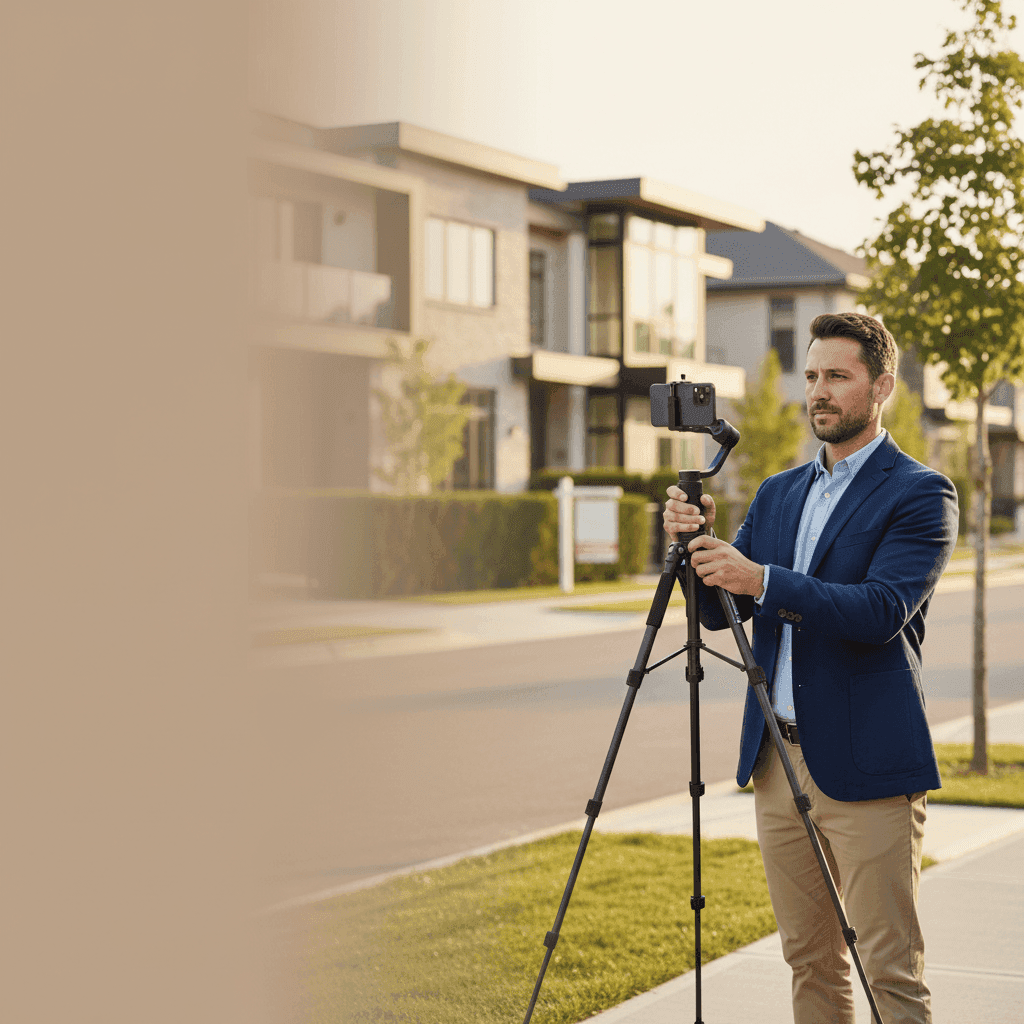
How to Start Real Estate Photography Business Step-by-Step

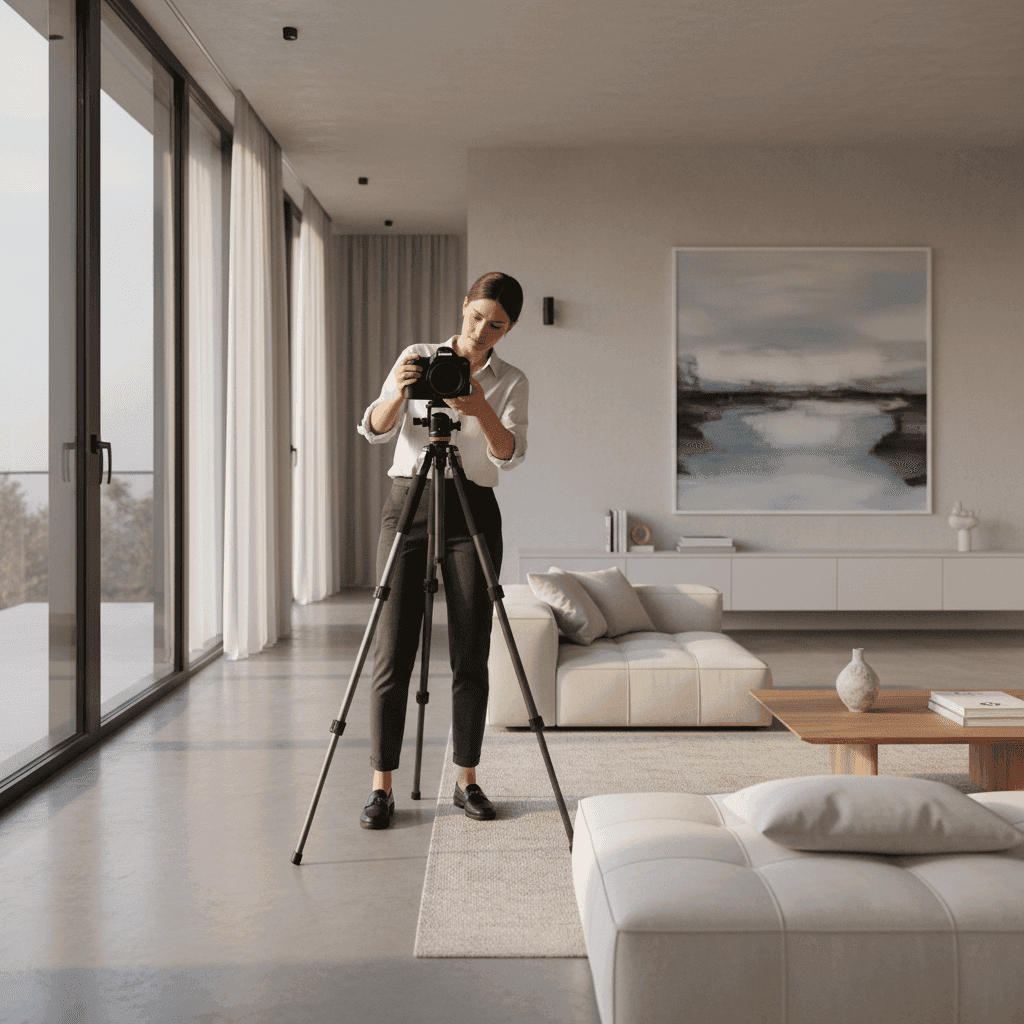
How to Start Real Estate Photography Business: The Complete Step-by-Step Guide
Learn the Essential Steps to Establishing Your Own Venture
Most new photographers get stuck on gear, pricing, and finding clients. They spend months researching expensive equipment and comparing endless course options while their competitors are already booking shoots. The fastest path is a simple, repeatable plan that gets you earning within 30 days.
In this guide, you'll learn exactly how to start real estate photography business from zero. We'll cover the core skills to master, a starter gear kit that won't break your budget, a photography business plan real estate template you can customize, pricing bands that work in most markets, and proven prospecting scripts to land your first 5 clients.
Your outcome: A 30-day launch checklist you can execute alongside your current job, turning your photography passion into steady income. Whether you're switching careers or adding a revenue stream, this blueprint removes the guesswork from becoming a real estate photographer.
Mastering fundamentals like lighting, angles, and composition is essential, with resources like LinkedIn and Udemy offering courses and certifications to build expertise quickly.
Sources: Matterport
How to Start Real Estate Photography Business: What It Entails
Starting a real estate photography startup means providing visual marketing assets that help properties sell faster and for higher prices. Real estate photographers deliver interior shots that showcase room flow and natural light, exterior photos that capture curb appeal, and detail shots highlighting unique features. Optional services include drone aerials, twilight photography, and virtual tours.
Your primary clients are real estate agents, brokers, and property managers who need professional visuals for MLS listings, marketing brochures, and social media campaigns. Standard deliverables include 15-35 edited photos delivered within 24-48 hours, depending on property size and package tier.
The business opportunity is substantial because quality visuals directly affect time-on-market and perceived property value. Properties with professional photography typically sell 32% faster than those with amateur photos. Most markets support entry-level pricing between $100-$400 per property shoot, making this an accessible business model for new photographers.
However, common challenges include inconsistent demand based on market cycles, complex scheduling with current occupants, difficult lighting conditions in older homes, and post-processing bottlenecks during busy seasons. Success requires mastering exposure bracketing and RAW workflows to handle challenging interior lighting efficiently.
The most successful photographers develop systems for each stage, from initial client contact through final delivery, ensuring consistent quality regardless of property challenges.
How to Become a Real Estate Photographer
Transitioning into real estate photography requires specific skills beyond general photography knowledge. The good news is you don't need years of training. With focused learning and deliberate practice, you can develop professional competency in 30-60 days.
Education and Skills Requirements
Core technical skills include composition for interior spaces, exposure bracketing to capture detail in both shadows and highlights, proper white balance for accurate color representation, perspective correction to eliminate distorted lines, RAW processing for maximum image quality, and layer masking to blend multiple exposures seamlessly.
A basic understanding of exposure, raw processing, bracketing, and layer masking is essential for delivering professional real estate photography results. These skills separate amateur snapshots from marketing-quality images that help properties sell.
Fast-track your learning by taking targeted courses on platforms like LinkedIn Learning or Udemy to fill specific skill gaps. The most effective approach is practicing 10-20 full-property shoots to build muscle memory for common scenarios like dark kitchens, bright windows, and tight bathroom spaces.
Develop real estate fluency by understanding MLS norms, ideal photo counts for different property types, standard room order for photo sequences, and how agents use images in their marketing copy. This business knowledge helps you deliver exactly what clients need without multiple revision rounds.
Sources: Matterport, Appointy
Building Your Photography Portfolio
Your portfolio needs to demonstrate versatility across property types and photography conditions. Include 2-3 different property styles such as entry-level residential homes, higher-end properties, and at least one small commercial space or vacation rental. Show both day and twilight photography capabilities, plus detail shots that highlight unique architectural features.
Offer free or discounted shoots for friends, family, or local agents to build a portfolio showcasing residential, commercial, architectural, or interior work. This investment in sample shoots pays dividends when prospecting new clients who need to see your style and quality before hiring.
Aim for shots of high-value homes or commercial properties in your portfolio to attract clients, starting with free photos if needed. One well-photographed luxury property can establish credibility with agents who handle premium listings.
Present your work professionally with before/after editing examples, clear file naming conventions, and concise captions including square footage and detailed shot lists. This demonstrates your attention to the business details agents care about most.
Consider creating a "photo-to-reel" demo using your stills to show agents how their listings could look on Instagram and TikTok. Peachgum offers the fastest way to create ready-to-post short-form videos from your property photos, adding immediate social media value to your service offering.
Sources: Matterport, PocketSuite
How to Start Real Estate Photography Business: Your Real Estate Photography Startup Plan
Transforming your photography skills into a profitable business requires structured planning. A lean but comprehensive approach covers essential business elements without over-engineering your launch. Focus on services, pricing, basic operations, and a 30-day execution timeline.
Developing Your Business Plan
A solid business plan keeps your pricing, scope, and marketing consistent while avoiding common underpricing traps that plague new photographers. Your photography business plan real estate should define core services with standard photo counts, available add-ons, niche focus areas, target neighborhoods, realistic revenue goals, cost assumptions, and monthly outreach targets.
The U.S Small Business Administration recommends creating a solid business plan outlining services, target market, and financial goals with realistic projections. This foundation prevents scope creep and helps you quote confidently during client conversations.
Validate your local market by researching MLS listings on Zillow or Redfin and studying 3-5 established photographers' websites to avoid underpricing. This competitive analysis reveals what packages and price points work in your specific market, helping you position strategically rather than competing solely on price.
Include a clear deliverables policy covering turnaround time, reshoot conditions, weather contingency plans, and usage rights. These operational details prevent misunderstandings that can damage client relationships and profitability.
Sources: Matterport, JIM.com
Getting the Necessary Tools
Start lean with essential equipment that delivers professional results without requiring significant upfront investment. Must-have gear includes a reliable DSLR or mirrorless camera, sturdy tripod, wide-angle lens (full-frame 16-35mm equivalent), and 1-2 speedlights for fill lighting. Start with basics like a reliable DSLR, tripod, and interchangeable wide-angle lenses even on a modest budget to deliver professional results.
As your booking volume grows, upgrade to a pro kit including drone capabilities for aerial shots, additional lighting equipment, and color checker tools for consistent editing. Essential equipment includes a DSLR camera, sturdy tripod, wide-angle lens, flash, and drone for aerial shots, with a $10,000 budget sufficient for a complete startup setup when you're ready to scale.
Invest in workflow software including Lightroom for RAW processing, Photoshop for advanced editing, HDR or ENFUSE software for exposure blending, and online gallery software for client delivery. Efficient post-processing workflows become critical as you handle multiple shoots per week.
If clients request video content but you're not ready to invest in videography equipment, Peachgum can turn your listing photos into cinematic, soundtrack-backed short-form videos in minutes. This solution is faster and more cost-effective than hiring a videographer while you build your business.
Determining Your Pricing Structure
Research local competitors thoroughly to map their rates and inclusions, then define your minimum viable package plus 2-3 upgrade paths. Most real estate photographers charge $100-$400 per property shoot, including 10-20 photos. Adjust your pricing based on local market conditions, property square footage, travel distance, and delivery timelines.
Consider these example pricing tiers:
- Basic Package: 15 photos, 2-day delivery ($150-200)
- Plus Package: 25 photos, next-day delivery, exterior twilight shot ($250-300)
- Premium Package: 35 photos, next-day delivery, 5 drone images ($350-450)
Popular add-ons include drone photography, twilight exteriors, floor plans, rush delivery fees, and community amenity shots. Each add-on should be priced to reflect both the additional time required and the enhanced marketing value provided.
Create a "Social Video Add-On" using Peachgum to upsell ready-to-post Instagram, TikTok, and YouTube Shorts reels created from the same photos. This high perceived value service requires minimal additional time while commanding premium pricing.
Sources: Matterport, JIM.com
Legal and Operations Basics
Establish your business properly with appropriate registration, local permits if required, liability insurance coverage, and standard contracts that clearly define usage rights. Simple bookkeeping systems and mileage tracking become essential for tax purposes and profitability analysis.
Consider LLC registration for liability protection and professional credibility. Most clients prefer working with established businesses rather than individual contractors when dealing with high-value property marketing.
30-Day Checklist to Start re photo business
Execute this timeline to launch systematically:
Week 1: Complete skill-building exercises and plan portfolio shots. Schedule 2 practice shoots with friends or family to test your workflow and identify gaps.
Week 2: Build a simple one-page website showcasing your best work, finalize service packages and pricing, and create standard contract templates.
Week 3: Launch your outreach campaign using the scripts below. Aim to contact 50 agents and schedule 2-3 paid test shoots with favorable introductory pricing.
Week 4: Deliver completed shoots professionally, collect testimonials and reviews, and refine your workflow based on real client feedback.
This compressed timeline forces action over perfection, getting you market feedback quickly while building momentum.
Growth and Marketing For Your Business
Sustainable growth requires both outbound prospecting to fill your pipeline and inbound marketing to establish credibility. The most successful real estate photography businesses combine direct agent outreach with social media presence and referral systems.
Promoting Your Business
Contact at least 200 realtors via phone calls, starting with 50 calls in your first week, and attend local real estate association events while distributing business cards with clear first-time offers. This high-volume approach ensures consistent pipeline development despite typical low response rates.
Your website needs essential elements including a strong portfolio gallery, clear package descriptions, service area map, and easy online booking capability. Keep the design simple and load times fast since agents often browse on mobile devices between appointments.
Use social media strategically by posting before/after photo carousels and short video reels showcasing your work. Feature client testimonials and agent shout-outs to build social proof and encourage sharing within real estate networks.
Export ready-to-post short-form videos from your listing photos using Peachgum and publish to Instagram, TikTok, and YouTube Shorts. This content showcases your results while attracting agents who want social-media-friendly assets for their own marketing.
Sources: RICOH360
Building Business Relationships
Develop strategic realtor partnerships by offering "first listing" promotional pricing coupled with next-day delivery and consistent file naming conventions. Exceptional service on initial shoots often leads to ongoing monthly bookings.
Network with realtors and potential clients, find referral partners like family members in real estate, and build connections for repeat business. Personal relationships remain the foundation of most successful photography businesses, especially in relationship-driven industries like real estate.
Create a referral engine by asking satisfied clients for introductions to colleagues and maintaining quarterly check-in communications. Develop a "new listing notification" text template that keeps you top-of-mind when agents receive fresh inventory.
Sources: PocketSuite
Simple Sales Scripts and Offers
Cold Call Opener: "Hi [Name], I'm [Your Name], a local real estate photographer. I help agents like you get listings sold faster with professional photos that make properties stand out online. Could I offer you a discounted first shoot to show you the difference quality photos make?"
Follow-up Email: Include your portfolio link with a subject line like "Quick turnaround photos for your next listing" and mention a limited-time new client bundle.
First-time Offer: Provide a 25% discount on your basic package or include a complimentary social video add-on to reduce initial resistance and demonstrate value.
These simple scripts focus on client benefits rather than your credentials, making agents more likely to engage and book a trial shoot.
Why Now Is the Right Time to Start Using Professional Photography
You now have the complete blueprint for how to start real estate photography business successfully. This includes the essential skills to develop, a lean gear kit that delivers professional results, a photography business plan real estate template you can customize, competitive pricing anchors for your market, and a proven marketing routine to attract clients consistently.
The real estate photography market continues growing as agents recognize the direct connection between visual quality and sales performance. Properties with professional photography sell faster and often at higher prices, making this service essential rather than optional for serious agents.
Execute the 30-day checklist systematically and focus on booking your first three paid shoots within the month. Each successful project builds your portfolio, generates testimonials, and creates referral opportunities that compound over time.
Your photography passion can become a profitable business with the right approach and consistent execution. Start with week one of the checklist today, and you'll be earning from real estate photography within 30 days.
Try Peachgum for your next shoot to offer clients a complete visual marketing package. Transform your listing photos into cinematic social media videos in minutes, giving agents ready-to-post content that helps their listings get maximum exposure across all platforms.