Drone Photography Real Estate Guide: Shots, Video, FAA

Drone Photography Real Estate: A Complete, Compliant Guide for Standout Listings
Listings with aerial imagery sell 68% faster, giving agents a clear edge in competitive markets. While your competitors rely on standard ground-level photos, drone photography real estate offers the aerial perspective that makes properties impossible to ignore.
Drone photography in real estate delivers unique aerial perspectives that traditional ground photos can't match, helping properties stand out and convey context like lot lines, neighborhood proximity, and curb appeal. These elevated views don't just look impressive—they solve real buyer problems by showing the complete picture of what they're considering.
In this guide, you'll discover practical ways to plan and capture aerial listing photos, how to use real estate drone video to boost engagement, an agent-friendly overview of FAA drone real estate basics, and techniques for must-have drone shots for homes. Plus, you'll learn how to repurpose your aerial media for social platforms that drive today's buyer traffic.
Drone Photography Real Estate: Elevating Listings with Aerial Listing Photos
Why Aerial Listing Photos Win Clicks and Showings
Bird's-eye views clarify property layout, acreage, outdoor living spaces, and proximity to amenities, speeding up buyer understanding and interest. When potential buyers can see how a backyard connects to the house, where the property lines actually fall, or how close the home sits to parks or schools, they make faster decisions about whether to book a showing.
The data backs this up powerfully. Listings with drone imagery can receive up to 94% more views than traditional listings. This isn't just about pretty pictures—it's about giving buyers the context they crave in an increasingly competitive market.
When buyers see the "whole picture," they shortlist faster and are more likely to book showings. Instead of driving by to assess curb appeal and lot size, aerial photos answer those questions upfront, qualifying serious buyers and reducing tire-kickers.
Sources:
Creative Ideas for Aerial Listing Photos
Context shots work exceptionally well for aerial listing photos. Capture high, slightly angled shots that frame the home with neighborhood context like parks, schools, or waterfronts to establish lifestyle value. These shots tell a story about daily life, not just property features.
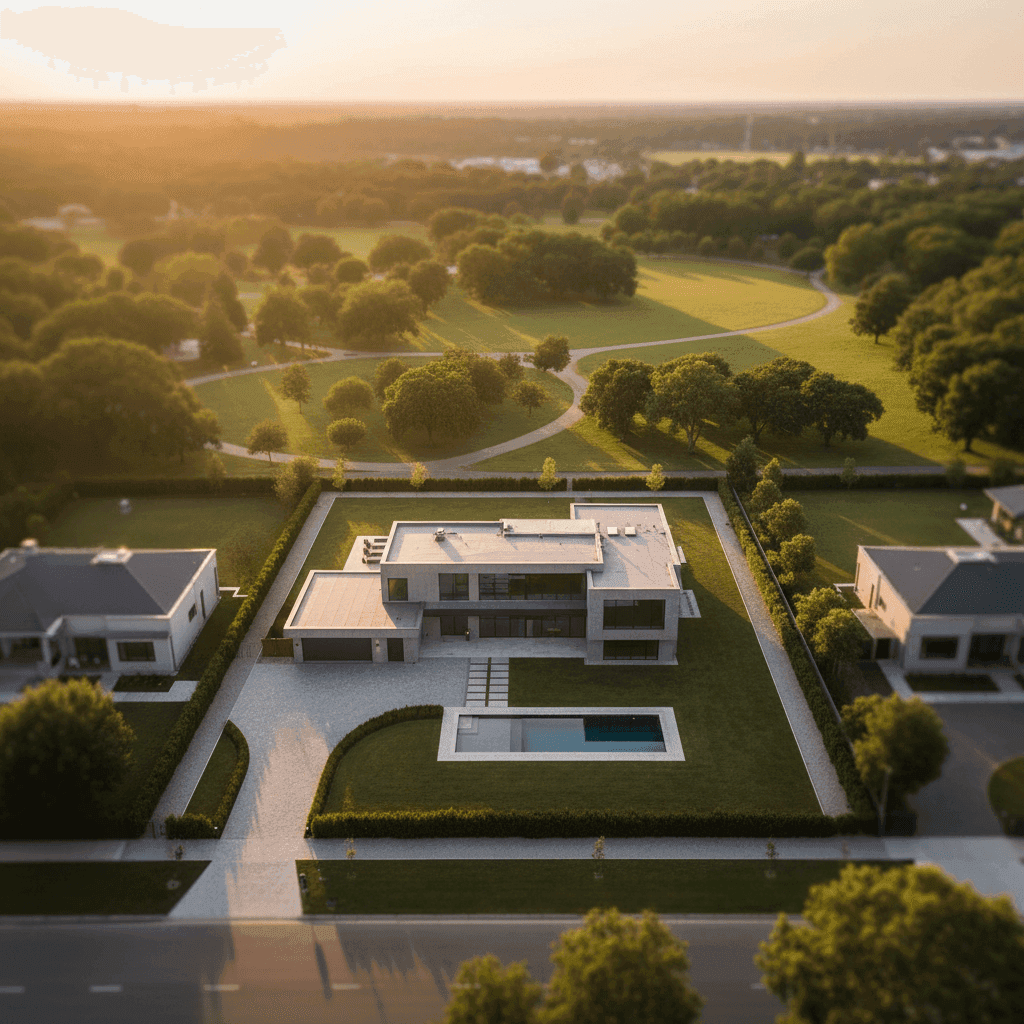
Top-down lot layout shots provide immense practical value. Overhead views show property lines, pool placement, driveway access, and outbuildings clearly. Consider annotating these in post-production to highlight key features that might not be obvious from above.
Create an approach and reveal sequence with low, slow movement down the driveway or over the backyard to create a cinematic "arrival" feel. This technique works especially well for homes with impressive entrances or stunning backyards.
Twilight magic shots capture evening glow and exterior lighting. Twilight aerials often evoke emotion and differentiate the listing from standard daytime photography. The warm interior lights against the dusky sky create an inviting atmosphere that static photos rarely achieve.
Don't overlook seasonal storytelling opportunities. Spring blooms or fall foliage can dramatically accentuate curb appeal, but be mindful of shadows and sun position to ensure the home itself remains the hero.
Turn your best aerial listing photos into a vertical, cinematic short with visual effects and soundtrack using Peachgum. No editing skills required, and you'll have export-ready content for Instagram, TikTok, and YouTube Shorts.
Sources:
Drone Photography Real Estate to Video: The Impact of Real Estate Drone Video in Marketing
Make Listings More Dynamic with Real Estate Drone Video
Motion communicates flow in ways that static images simply cannot. Real estate drone video shows how a home sits on its lot, how outdoor and indoor spaces connect, and provides a more immersive tour experience that static photos can't replicate.
The use cases for drone video extend far beyond just listing presentations. Create teaser reels for social media that stop the scroll. Use aerial footage as website hero banners that immediately communicate luxury and space. Convert clips into email GIF loops that grab attention in crowded inboxes. Present aerial flyovers during listing appointments to show potential sellers the marketing advantage you bring.
For remote buyers especially, aerial flyovers simulate a drive-by and community overview that static photos can't replicate. When buyers can't visit in person immediately, drone video becomes their virtual reconnaissance mission, building confidence before they commit to a showing.
If you don't have time or budget to edit professional drone footage, drop your drone photos into Peachgum to auto-generate a polished short-form "reel" with music in minutes. It's faster and cheaper than hiring a videographer while still delivering social-ready content.
Sources:
Best Practices for Real Estate Drone Video
Ideal lengths vary by platform and purpose. Social reels and shorts perform best at 20–45 seconds for top-of-funnel engagement, while website or full listing videos can extend to 60–120 seconds when paired with interior cuts.
Your shot list and flow should follow a logical sequence. Start with an establishing shot—a high, wide orbit to set context and show the neighborhood. Follow with an approach shot using low, forward movement toward the front elevation. Add transition shots with lateral passes to show lot width and side yards. Include a backyard hero shot that pulls back from patios or pools to reveal outdoor living spaces. When allowed, add neighborhood cutaways with quick passes of nearby amenities.
Movement and feel matter enormously in drone video. Keep moves slow and steady, avoiding rapid yaw movements that can make viewers nauseous. Mix altitudes by combining low reveals with high overviews to create depth and visual interest throughout the sequence.
Technical execution separates amateur from professional results. Shoot in 4K for clean crops and future-proofing. Consider flat or log profiles if you plan to color grade later. Use ND filters for smooth motion blur on sunny days when shutter speeds get too fast. Bracket exposures for high-contrast scenes like sunsets or bright rooftops against dark shadows.
If you only have stills available, you can still create the illusion of video movement. Stitch aerial photos into a motion sequence with subtle pans and zooms to simulate smooth camera movement.
Choose a visual effect and soundtrack that matches the property vibe—whether modern, luxury, or coastal—with Peachgum. Export vertical shorts in platform-ready formats without timeline editing.
Sources:
No source provided.
FAA Drone Real Estate: Regulations and Compliance Basics
Understanding FAA Drone Real Estate Regulations (U.S. overview)
Most listing work qualifies as commercial activity, which means you'll need to plan on earning a remote pilot certificate (Part 107) before flying for clients. This isn't optional—using drones for business purposes without proper certification can result in significant penalties.
Registration and Remote ID requirements apply to most drones used commercially. Make sure you register applicable aircraft and ensure you meet current Remote ID requirements, which help authorities identify drones in flight.
Airspace considerations require careful planning. Use approved tools to check airspace classifications and obtain authorization before flying in controlled airspace. The LAANC system (Low Altitude Authorization and Notification Capability) streamlines this process for many areas.
Basic operational rules include maintaining visual line of sight with your drone at all times. Fly at or below 400 feet above ground level in uncontrolled areas unless you have specific authorization. Special rules apply to night operations and flights over people or vehicles, so plan accordingly.
The marketing upside of aerial imagery—including higher view counts and faster sales—only pays off when your content is legally cleared for use and distribution. Compliance protects both your business and your clients' interests.
Sources:
Building a Compliant Real Estate Drone Operation
Your preflight checklist should become second nature. Always check airspace and authorization requirements, current weather and wind conditions, NOTAMs (Notice to Airmen), and ensure your compass and GPS are functioning properly. Verify battery health and set your home point before takeoff.
Conduct a thorough site survey for obstacles, people, roads, power lines, and privacy considerations. What looks clear from the street may have hazards visible only from your planned flight path.
Documentation protects your operation. Keep your remote pilot certificate, drone registration, and any authorizations easily accessible during flights. Maintain flight logs and maintenance records for both regulatory compliance and insurance purposes.
Risk management goes beyond regulations. Establish safe takeoff and landing zones away from people and property. Post spotters for busy areas where situational awareness becomes challenging. Don't hesitate to reschedule flights in unsafe winds or precipitation—prioritize safety over tight schedules.
Client communication sets proper expectations about what can and can't be flown under current regulations. Discuss privacy considerations and neighbor outreach when appropriate, especially for closely spaced properties.
Remember that penalties for non-compliance can include fines, certificate action, or reputational damage. Build compliance into your brand promise to sellers rather than treating it as an afterthought.
Clear, compliant workflows support consistent marketing output and help you capitalize on the engagement gains documented across the industry.
Sources:
Drone Shots for Homes: Trends and Techniques
Popular Trends in Drone Shots for Homes
Technology trends are making drone shots for homes more sophisticated and accessible. AI-assisted flight modes and 4K imaging capabilities deliver smoother, more precise aerials that go far beyond basic GPS positioning, raising the production value that agents can achieve flying solo.
Vertical-first framing has become essential as social platforms dominate buyer discovery. Compose your shots specifically for Instagram Reels, TikTok, and YouTube Shorts by protecting key visual elements from top and bottom cropping during the editing process.
Lifestyle flyovers showcase nearby amenities when regulations allow. Quick passes of walking trails, lakes, or downtown areas underscore neighborhood value and lifestyle benefits that traditional photos miss entirely.
Twilight and blue hour reels create moody sequences that perform exceptionally well on social media and help differentiate luxury listings from standard daytime photography approaches.
Sources:
Perfecting Your Technique for Drone Shots for Homes
Exposure and color management separate amateur from professional results. Bracket exposures for scenes with bright roofs and dark shadows, then blend them in post-production for balanced results. Lock your white balance to avoid color shifts across video clips that make editing more challenging.
Composition techniques add visual interest and depth. Use diagonal lines from driveways, fences, or property boundaries to create dynamic leading lines. Avoid exclusively flat, straight-on shots that lack visual engagement. Incorporate foreground elements like trees or pergolas to frame reveals naturally.
Aerial shots excel at roofline inspections that provide practical value beyond marketing appeal. Drone photography can highlight roof condition, gutters, and solar installations—features that ground-based photos simply cannot capture effectively.
Focus on safety and smoothness in your flying technique. Practice micro-inputs on the controller to avoid herky-jerky movements that scream "amateur" in the final footage. Use Tripod or Cinema mode when available for ultra-smooth motion. Always mind wind direction and fly upwind first to conserve battery for your most important shots.
Post-production polish doesn't require extensive skills. Apply light color correction, gentle sharpening, and consistent color grading (LUTs) to maintain cohesive branding across all your aerial content.
Drop a curated set of your best drone shots for homes into Peachgum, pick a cinematic effect and soundtrack, and publish a cohesive short that matches your brand in minutes.
Sources:
FAQs About Drone Photography Real Estate
Do I need a license to fly for listings?
In the U.S., real estate marketing generally qualifies as commercial use, so plan on obtaining a Part 107 Remote Pilot Certificate before flying for clients. This ensures you're operating legally and protects both you and your clients.
What if I don't own a drone?
You can hire a certified pilot or source MLS-compliant aerials from photographers. Even without owning equipment, you can still create high-performing social reels from existing aerial photos using tools like Peachgum that require no editing skills.
How long should a social drone video be?
For maximum engagement, keep social drone videos between 20–45 seconds for reels and shorts. Lead with your strongest exterior reveal to hook viewers immediately and maintain their attention throughout.
Can I fly near airports or downtown areas?
This depends entirely on airspace classifications and local regulations. Always check airspace restrictions and obtain proper authorization when required. When in doubt, choose ground-based alternatives rather than risk violations.
What weather conditions work best for drone photography?
Early morning and golden hour typically provide the best lighting with calmer winds. Avoid harsh midday sun that creates extreme shadows and high winds that make smooth footage impossible.
Photos vs. video—which converts better for listings?
Both serve different purposes in your marketing funnel. Photos attract initial clicks and provide detailed context, while short videos boost engagement and increase time spent viewing your content. Use both formats together for maximum marketing impact.
Why Drone Photography Real Estate Is Your Competitive Advantage Right Now
Drone photography real estate helps listings stand out by showcasing layout, surroundings, and lifestyle context that today's buyers demand. The data consistently shows this translates to faster sales and significantly more online views compared to traditional photography approaches.
Success comes from pairing strong aerial listing photos and succinct real estate drone video with a consistent, compliant workflow that scales across every listing. The agents winning market share today aren't just taking better photos—they're systematically leveraging aerial perspectives to communicate value that ground-based photography simply cannot match.
Transform Your Next Listing with Aerial Marketing That Converts
Try this approach on your next listing: capture three signature aerials including an establishing orbit, approach to the front elevation, and backyard pullback. Then turn those shots into a social-ready short in minutes with Peachgum—a faster, cheaper alternative to hiring a videographer that exports directly in Instagram, TikTok, and YouTube Shorts formats.
Your next standout listing is just three drone shots away. The technology exists, the regulations are manageable, and the marketing advantage is measurable. The question isn't whether aerial photography works—it's whether you'll implement it before your competition does.
Subscribe for more listing marketing playbooks and watch for upcoming training on compliant drone workflows that help you scale this approach across your entire business.