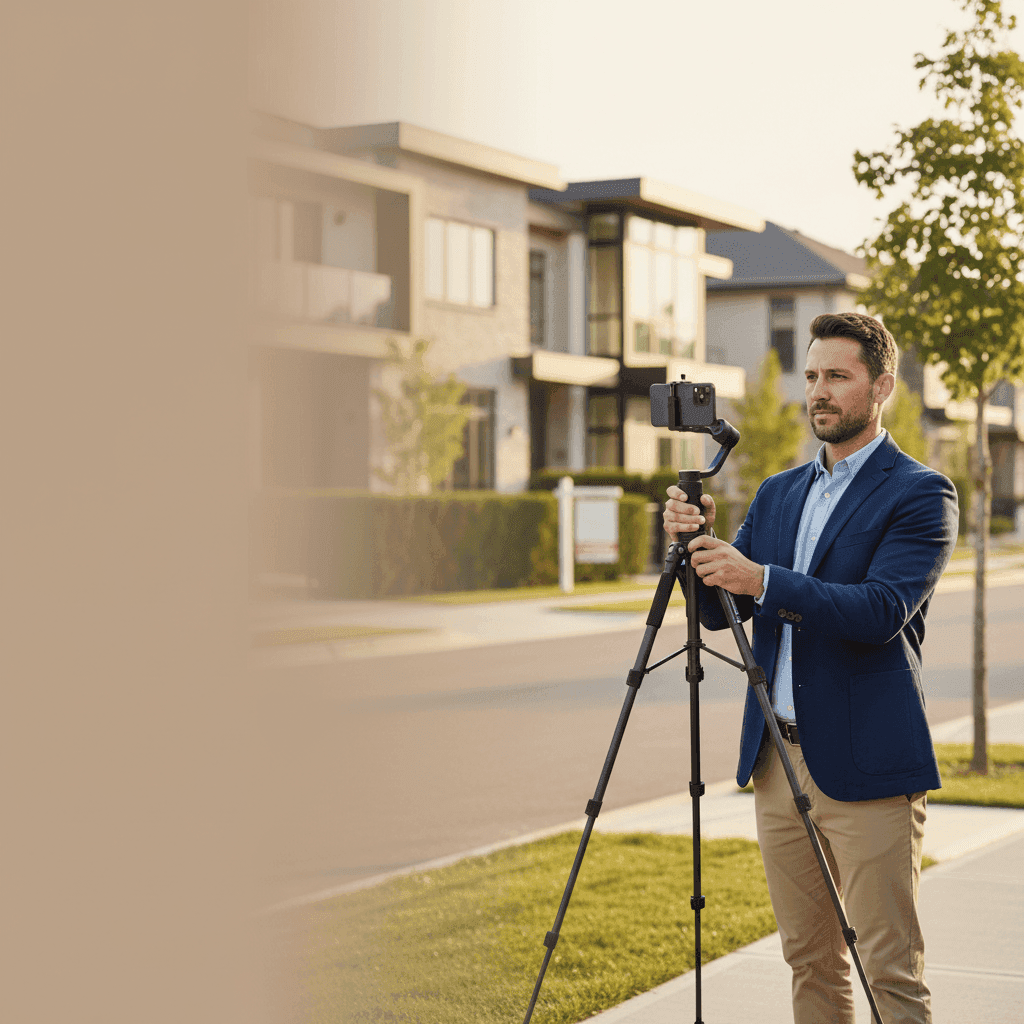
Single Property Website Real Estate Guide for Sellers


The Power of Single Property Website Real Estate: A Complete Guide
Portals crowd your listing alongside a thousand others. A single property website gives your listing the entire stage and keeps the lead for you.
As a real estate agent, you know the frustration. You work hard to secure a listing, create beautiful marketing materials, and then watch your property get lost in the sea of competing listings on major portals. Buyers scroll past dozens of similar properties, and when they finally submit an inquiry, you're competing with multiple agents for the same lead.
A single property website real estate strategy changes this dynamic completely. Instead of fighting for attention on crowded platforms, you create a dedicated digital showcase that puts your listing front and center.
In this guide, you'll learn what a single property website is, why it works, the must-have features, and exactly how to build a high-performing property landing page. Plus, you'll discover where this strategy fits in your overall marketing plan to maximize results.
A single property website is a standalone, distraction-free site for one listing with your branding, media, and lead capture forms. Unlike portal listings that compete for attention, these dedicated sites give your property the spotlight it deserves.
Let's dive into how this powerful tool can transform your listing marketing and help you capture more exclusive leads.
Understanding Single Property Website Real Estate
What is a single property website?
A single property website is a standalone site built to market one specific real estate listing, complete with agent branding, lead capture forms, and distraction-free design, unlike portal listings on large real estate portals. These microsites function as personalized digital brochures featuring photos, videos, floor plans, and detailed property descriptions.
The key difference between a dedicated listing website and traditional portals lies in control. On portals like Zillow or Realtor.com, your listing competes with hundreds of others. Buyers see ads, get distracted by similar properties, and often leave without taking action. Your beautiful listing becomes just another option in an endless scroll.
A single listing site eliminates these distractions entirely. You control every element, from the layout and branding to the lead capture process. There are no competing listings, no third-party advertisements, and no external links pulling visitors away from your property.
This approach works best for specific situations. New-to-market listings benefit from the exclusive attention, while price reductions get a fresh spotlight. Luxury properties with unique features deserve a premium presentation, and unique or architecturally significant homes need space to tell their story properly.
Sources:
Luxury Presence, Properties Online
Why single property websites are a game-changer
The performance difference is striking. Dedicated listing websites drive 55% more traffic to a property compared to portal-only marketing by removing distractions like competing listings and ads. When visitors land on your single property listing website, they have one focus: your property.
Real-world results prove this strategy works. Los Angeles agent Cindy Ambuehl closed 38 deals worth $250 million using custom property websites, achieving a 30% increase in listing engagement. This success came from giving each property the focused attention it deserved.
The lead ownership advantage cannot be overstated. Every visitor who submits information on a single-property website becomes an exclusive lead for the listing agent, unlike portals that capture and often resell leads to multiple agents. You're not competing for the same prospect with three other agents. The lead is yours from the moment they engage.
For seller presentations, a listing website for sellers demonstrates your commitment to marketing their property professionally. It shows you're willing to invest in their success beyond the standard MLS listing. This differentiation often wins listings against agents who rely solely on portal exposure.
When combined with compelling visuals, these dedicated sites become even more powerful. Peachgum turns listing photos into cinematic short videos you can embed on a single property website to increase time-on-page and social engagement, giving you professional-quality content without the videographer expense.
Sources:
Key Features of an Effective Single Listing Site
Property information listing essentials
Your property landing page needs comprehensive information organized for quick scanning. Include the headline with key selling points, current price, complete address with interactive map, neighborhood highlights, and property features that set it apart.
Structure the content with bullet points and clear sections. List recent upgrades, utility details, HOA information if applicable, and any relevant disclosures. Make floor plans downloadable, include links to property documents, and clearly display open house schedules.
Write for visitors who skim rather than read. Use icons, short bullet points, and scannable sections that highlight the most important details first. Group related information together so buyers can quickly find what matters most to them.
Smart SEO integration helps your dedicated listing website get discovered. Use location-specific keywords combined with property style and unique features to improve search rankings for buyers looking for exactly what you're selling.
Sources:
High-quality visual content that sells
Photos remain the foundation of successful property marketing. 66% of homebuyers identify photos as the most valuable feature on any listing website, making high-resolution visuals essential for single-property sites. But today's buyers expect more than static images.
Add short video tours, reel-style clips, and neighborhood footage to elevate your storytelling. These dynamic elements keep visitors engaged longer and help them envision living in the space. Video content also performs better on social media when you promote the listing.
Organize your media strategically. Start with a hero video or compelling photo carousel above the fold. Create a comprehensive gallery organized by room or area, and include captions that sell the lifestyle, not just the features. Show the morning coffee routine in the kitchen, the sunset view from the deck, or the cozy reading nook by the fireplace.
For agents without access to professional videography, Peachgum offers a solution. Upload your listing photos, select effects and soundtracks, and create ready-to-embed vertical videos in minutes. This gives you professional-quality content at a fraction of the cost.
Sources:
Contact and inquiry form that converts
Keep your contact form simple and focused. Ask for essential information: name, email or phone number, preferred tour time, and financing status. Too many fields create friction and reduce conversions.
Set up automatic responses and instant alerts to respond faster than portal-based inquiries. While portal leads often take hours to reach agents, your dedicated system can notify you immediately when someone shows interest.
The conversion advantage is significant. Every form submission becomes your exclusive lead, unlike portals that distribute the same prospect to multiple agents. This exclusivity allows you to nurture the relationship without competition and often results in faster appointments and stronger connections.
Position your contact form prominently but not aggressively. Include a sticky contact option that follows visitors as they scroll, and offer multiple ways to connect, such as instant text callback or open house RSVP options.
Sources:
Dedicated Listing Website vs. Portals: Which Drives More Results?
Advantages over general listing websites
Single property websites outperform portals by providing focus without competing listings, ads, or distractions, allowing full agent control over presentation. You decide how to tell the property's story, what features to highlight, and how to guide visitors toward taking action.
On aggregate sites like Zillow, visitors keep scrolling through thousands of listings, rarely giving any single property extended attention. Your listing becomes part of an endless feed where buyers compare dozens of options simultaneously. A dedicated site gives the property the entire spotlight, encouraging deeper engagement.
The SEO benefits add another layer of advantage. You can optimize for specific local searches and property features that buyers might search for directly. Someone looking for "waterfront homes with boat dock in [neighborhood]" might find your dedicated site before they ever reach the major portals.
Brand control extends beyond aesthetics. You control the narrative, the buyer journey, and most importantly, the lead capture process. There are no competing agent advertisements, no links to similar properties, and no distractions that might send qualified prospects elsewhere.
Sources:
Mini case study: Turning attention into offers
Consider the typical portal experience. A buyer searches for homes in their price range and location preferences. They see dozens of listings, including yours, displayed in a grid format. Your property gets maybe 30 seconds of attention before they move on to compare it with others.
The dedicated website experience transforms this dynamic. When buyers visit your single property listing website, either through social media promotion or direct marketing, they encounter an immersive experience focused entirely on your listing. They spend more time exploring, understanding the unique value proposition, and visualizing themselves in the space.
This focused attention translates to better-qualified leads and stronger seller perception. Sellers see that you're investing in professional presentation beyond the basic MLS requirements. The exclusive lead capture means faster response times and higher conversion rates from inquiry to appointment.
The traffic and engagement improvements create a compound effect. Better engagement signals to search engines that your content is valuable, potentially improving rankings. Social media algorithms favor content that keeps users engaged, expanding your organic reach when you share the dedicated site.
Sources:
How to Create a Single Property Website Real Estate Pros Would Be Proud Of
Step-by-step build checklist
Start with comprehensive content preparation. Collect all high-resolution photos, create a detailed features list, gather floor plans and any relevant documents, and compile disclosure information. Define your target buyer persona to guide your messaging and headline creation.
Choose a platform that supports custom domains and robust lead capture. Look for MLS-compliant tools that integrate with your CRM and provide the flexibility you need for customization. Many agents use WordPress with real estate themes, while others prefer specialized platforms designed for property marketing.
Structure your page strategically from top to bottom:
- Hero section with compelling media and headline
- Key value propositions in bullet format
- Comprehensive features and upgrades list
- Media gallery organized by room or area
- Interactive map with neighborhood highlights
- Local area information and amenities
- Clear call-to-action sections
- Agent bio and credibility indicators
- Disclosure documents and additional resources
Add proper tracking from launch. Install Google Analytics to monitor visitor behavior, add Meta Pixel for retargeting campaigns, and use UTM parameters on all promotional links to measure traffic sources effectively.
Publish to a memorable custom domain like 123MainSt.com or use a subdirectory structure like yoursite.com/123-main-st. Test thoroughly on mobile devices since most property searches happen on phones.
For the media component, Peachgum provides a faster, more affordable alternative to hiring videographers. Upload your listing photos, select effects and soundtracks, and embed the finished videos in minutes, giving your site professional polish without the professional price tag.
Property landing page optimization tips
Start with compelling copy that leads with lifestyle benefits rather than just features. Instead of "3 bedrooms, 2 baths," try "Morning coffee with sunrise views, evening wine on your private deck." Include social proof elements like inspection reports, neighborhood awards, or local press coverage when available.
SEO optimization requires strategic keyword integration. Single property websites improve SEO with keywords specific to the property's location, style, and features, boosting search rankings for niche searches. Include neighborhood names, architectural styles, unique amenities, and local landmarks naturally throughout your content.
User experience elements make or break conversions. Place prominent call-to-action buttons above the fold and throughout the page. Use sticky contact options that follow visitors as they scroll. Ensure fast loading times, especially for mobile users, and include ADA-friendly alt text for all images.
Conversion optimization goes beyond basic contact forms. Add schedule-a-tour widgets, instant text callback options, and open house RSVP functionality. The easier you make it for interested buyers to take the next step, the more appointments you'll book.
Consider embedding short vertical videos created with Peachgum above the fold to immediately capture attention. Then export ready-to-post versions for Instagram Reels, TikTok, and YouTube Shorts to drive traffic back to your property landing page from social platforms.
Sources:
Promoting Your Single Property Website After Launch
Organic distribution
Social media platforms offer the most immediate distribution opportunities. Create Instagram Reels, TikTok videos, and YouTube Shorts featuring your property, with UTM-tracked links in your bio and captions directing viewers to the full website. Join neighborhood Facebook groups where potential buyers gather and share valuable content about the area, subtly including your listing when appropriate.
Professional networking on LinkedIn can reach local business owners and executives who might be house-hunting or know someone who is. Share insights about the local market while featuring your single property websites as examples of your marketing expertise.
Don't overlook your Google Business Profile. Regular posts about new listings, open houses, and market updates can drive local search traffic directly to your dedicated property sites.
Email marketing to your sphere of influence and segmented buyer lists provides direct access to qualified prospects. Include clear tour scheduling CTAs and highlight the exclusive nature of the single listing site experience.
Paid amplification
Geo-targeted social media advertising allows precise audience targeting based on location, demographics, and interests. Create compelling video ads that drive traffic to your property landing page, and set up retargeting campaigns to re-engage visitors who didn't convert initially.
Focus your ad spending on promoting open houses and private tour bookings rather than just general awareness. Measure click-through rates, form completions, and actual appointment bookings to optimize your campaigns for real business results.
The key to successful paid promotion is creating enough engaging content to maintain visibility across platforms. Peachgum enables you to produce a steady stream of vertical videos from your listing photos, giving you fresh content for consistent posting with clear calls-to-action linking back to your dedicated listing website.
Track performance across all channels to identify which promotion methods drive the highest-quality leads and focus your efforts accordingly.
Start Building Your First Single Property Website Today
A single property website real estate strategy transforms how you market listings and capture leads. Instead of competing in crowded portals, you create focused, professional showcases that put your properties center stage and keep every inquiry exclusive to you.
The results speak for themselves: 55% more traffic, 30% higher engagement, and complete control over the buyer journey. Your sellers see the extra effort, your leads aren't shared with competitors, and your listings get the attention they deserve.
Use the step-by-step checklist above to build your first dedicated listing website. Focus on compelling visuals, clear messaging, and seamless lead capture. Promote consistently across social platforms and track your results to refine your approach.
For fast, cinematic listing videos that boost engagement and social performance, Peachgum transforms your photos into ready-to-embed content in minutes. Start your next single property website with professional-quality visuals that capture attention and drive results.