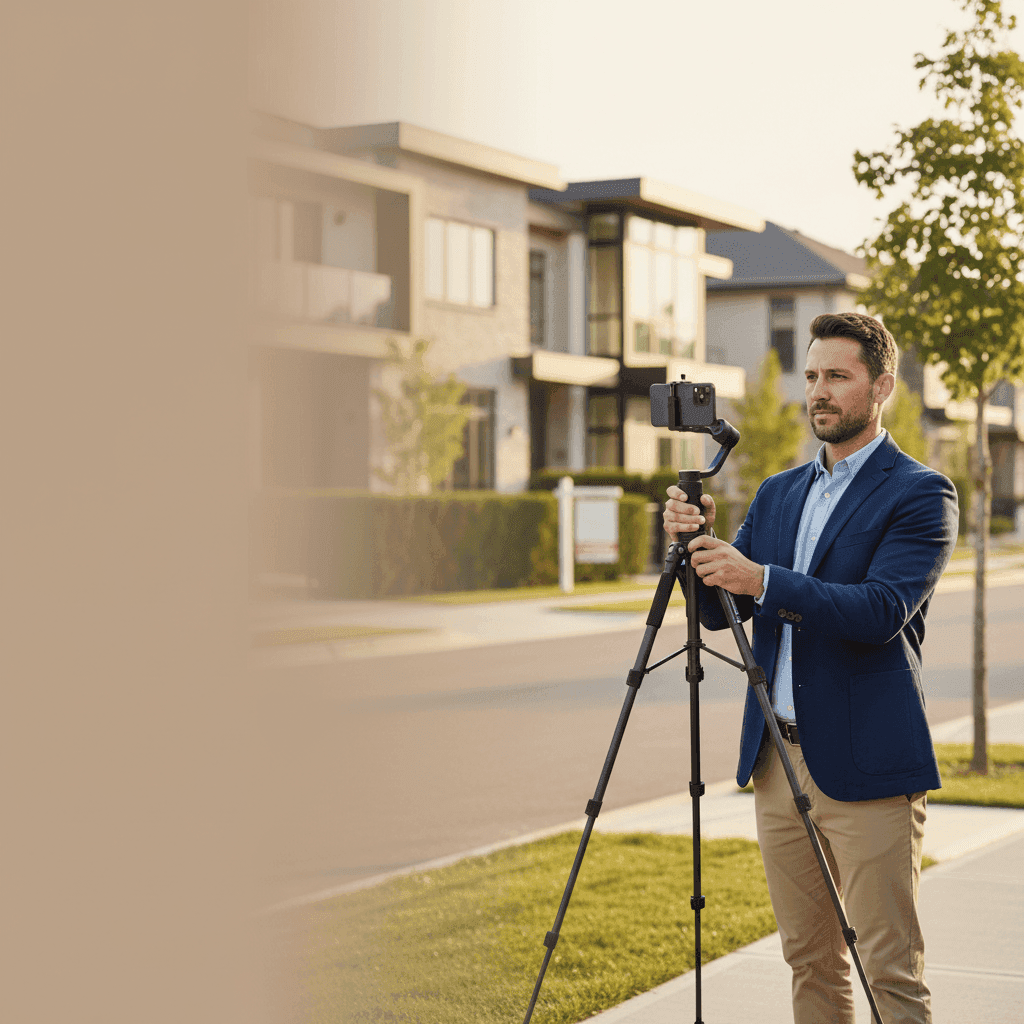
How to Write a Listing Description That Sells Homes

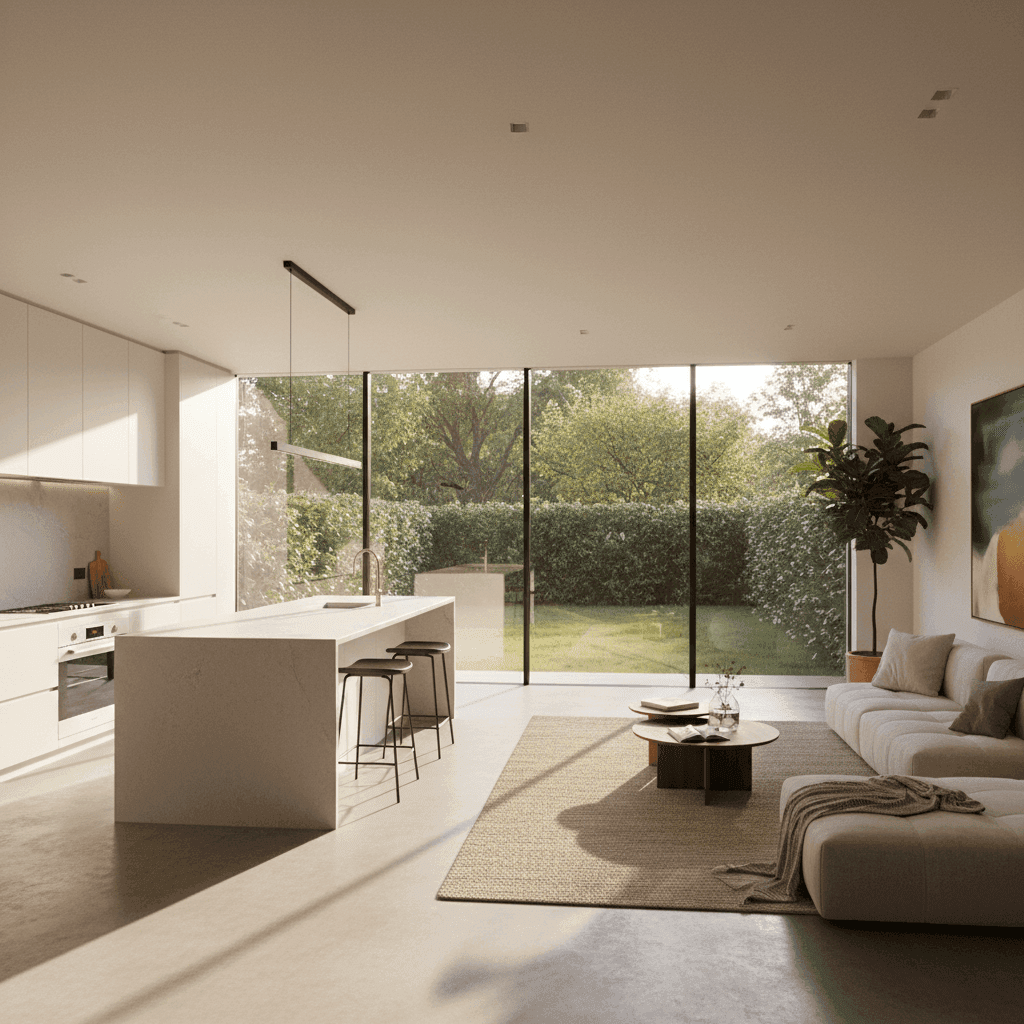
How to Write a Listing Description: A Comprehensive Guide for Real Estate Agents
In a crowded feed and MLS, your words decide whether buyers book a showing or swipe past. Zillow reports that detailed listings drive more buyer interest and can sell for more compared to vague or sparse copy. Yet many agents struggle with limited character counts, compliance requirements, and the challenge of turning basic features into benefits that truly resonate with potential buyers.
This guide shows you how to write a listing description step-by-step, including MLS description writing constraints, real estate listing description tips, property description examples, and best practices for compelling listing copy. You'll also discover how to pair your copy with visuals and short-form video to maximize reach across all platforms.
Whether you're writing your first listing or looking to improve your conversion rates, these proven strategies will help you create descriptions that capture attention and drive action.
MLS Description Writing: Why It Matters and How It Shapes Buyer Perception
The Multiple Listing Service (MLS) serves as the foundation of real estate marketing, where buyers and agents begin their property search. Most MLS platforms syndicate to major portals like Zillow and Realtor.com, giving your description massive reach. However, typical character limits hover around 250 words, requiring concise, benefit-led writing that makes every word count.
MLS descriptions significantly influence buyer perception by highlighting unique features and benefits, which directly boosts the odds of tours and offers. Buyers use these descriptions as their primary filter, quickly scanning to determine which properties warrant their time and attention.
In this limited space, prioritize what matters most. Lead with location or lifestyle benefits, showcase 3-5 unique features, mention recent upgrades with brand names when possible, and always include a clear next step for scheduling showings or accessing virtual tours.
The key is understanding that your MLS description isn't just text, it's your first sales conversation with every potential buyer.
Sources:
How to Write a Listing Description: Essential Real Estate Listing Description Tips
The foundation of effective listing copy starts with understanding your audience. Tailor your copy to the buyer profile and highlight what matters to them, whether they're families, investors, or young professionals, so they can immediately see themselves living in the home.
Know Your Potential Buyers
Start by identifying your likely buyer profiles. Are you targeting commuters who need easy highway access? Work-from-home buyers seeking dedicated office space? Multigenerational families requiring flexible layouts?
Once you know your audience, translate property features into lifestyle benefits. Instead of simply stating "second living area," write "second living area doubles as a quiet work-from-home space with built-in shelving." This approach helps buyers visualize how the space serves their specific needs.
Buyer-focused writing significantly improves engagement and relevance, leading to more qualified showings and stronger offers.
Sources:
Highlight Key Features from a Buyer's Perspective
Focus on what buyers actually value: updated kitchens, ample storage, flexible floor plans, and outdoor entertaining spaces. Skip basic specifications that are already listed in MLS fields and dive into the benefits these features provide.
Use specific details for credibility and searchability. Mention brand names, materials, and dates of recent upgrades. "2023 kitchen renovation featuring quartz countertops and stainless steel Bosch appliances" carries more weight than "updated kitchen."
Don't forget location benefits. Include walkability scores, proximity to popular destinations, school zones, and realistic commute times. Just ensure all location references remain fair housing compliant by focusing on geography rather than demographics.
Sources:
Use the Right Tone and Language
Active, vivid, and specific phrasing builds trust with potential buyers. Instead of "nice windows," write "expansive windows flood the living room with natural light throughout the day." This creates clear mental imagery and demonstrates attention to detail.
Avoid vague clichés like "charming" or "cozy," which can signal small spaces or needed repairs. Similarly, steer clear of coded language that might violate fair housing laws. Choose precise terms that describe the property accurately without making assumptions about ideal buyers.
Your tone should feel conversational yet professional, helping buyers connect emotionally with the space while maintaining credibility.
Sources:
Pair Copy With High-Quality Visuals
Your description and photos should work together seamlessly. Align your opening sentence with the hero photo, and use photo captions to connect specific features mentioned in your text to their visual representation.
Sequence your photos to mirror the flow of your written description. Start with exterior shots, move through main living areas, highlight the kitchen, showcase bedrooms and bathrooms, then finish with outdoor spaces. This creates a natural walkthrough experience.
Consider converting your listing photos into short, cinematic videos that match your description's narrative. With tools like Peachgum, you can pick visual effects and soundtracks to create ready-to-post content for Instagram, TikTok, or YouTube Shorts without any editing skills required.
Sources:
No source provided.
Property Description Examples: What Works and What to Avoid
Effective property descriptions blend specific details with clear benefits, often citing brand-name upgrades to help listings stand out in crowded markets. The best examples create immediate visual imagery while addressing practical buyer concerns.
Effective Property Description Examples
Strong descriptions follow a proven structure that guides readers naturally from interest to action:
Hook with lifestyle benefit plus most desirable feature: "Entertain effortlessly in this chef's kitchen featuring a massive island and professional-grade gas range."
3-5 bullet-worthy highlights with specifics: Include materials, brands, and renovation dates. "Spa-like primary bath with heated marble floors, rainfall shower, and custom dual vanities (renovated 2023)."
Location and lifestyle tie-in: Connect to nearby amenities without violating fair housing. "Minutes from Riverside Park's walking trails and the Metro North station."
Clear call-to-action: End with specific next steps. "Schedule your private tour today or explore the interactive 3D walkthrough."
This structure works because it combines specificity with benefits while maintaining scannability, the three elements that drive buyer action most effectively.
Sources:
Lessons from Poorly Written Descriptions
Weak descriptions typically suffer from overuse of adjectives, run-on sentences, and excessive hype that diminishes trust and engagement. Buyers quickly recognize overselling and often skip these listings entirely.
Common problems include burying key features in dense paragraphs, lacking clear calls-to-action, or focusing too heavily on basic specifications rather than lifestyle benefits.
Before: "This amazing, charming, cozy home features beautiful rooms and lovely upgrades throughout. You'll love the gorgeous kitchen and stunning bathrooms. Must see!"
After: "Open-concept living flows seamlessly from the renovated kitchen with quartz countertops to the family room with built-in entertainment center. Primary suite includes walk-in closet and spa bath with dual vanities."
The revision eliminates vague adjectives, adds specific details, and focuses on benefits buyers care about.
Sources:
Common Mistakes to Avoid When Writing a Listing Description
Professional presentation matters enormously in real estate, where buyers make quick judgments about agent competence based on listing quality. Errors like typos, vague language, and missing calls-to-action signal unprofessionalism and reduce conversion rates. Additionally, coded language and fair-housing violations can create legal risks while alienating potential buyers.
The Usual Suspects
Typos and grammar errors are listing killers. Always proofread once, read your description aloud, then proofread again. Reading aloud helps catch awkward phrasing and run-on sentences that spell-check misses.
Adjective overload and meaningless filler words like "must-see" or "cozy" waste precious character space. Replace these with concrete details that help buyers visualize the space. Instead of "spacious master bedroom," write "primary bedroom accommodates king-size furniture with space for sitting area."
Fair-housing compliance requires focusing on the property, not potential residents. Avoid phrases that might suggest ideal buyer demographics or exclude protected classes. When in doubt, describe the feature, not who might use it.
Sources:
MLS Description Writing Pitfalls
Don't waste limited character space repeating information already captured in MLS fields. Bedrooms, bathrooms, and square footage are displayed separately, so use your description for features and benefits that can't be conveyed through data fields.
Burying your lead wastes the most valuable real estate in your description. Start with your strongest selling point, whether that's location, recent renovations, or a standout feature like panoramic views.
Skipping the call-to-action leaves buyers without clear next steps. Always end with specific instructions for scheduling tours, accessing virtual walkthroughs, or contacting you for more information.
Finally, ensure every detail in your description matches what buyers will find during showings. Overstating features or conditions destroys trust and wastes everyone's time.
Best Practices for Compelling Listing Copy
Strong compelling listing copy strikes the right balance between creativity and accuracy, typically staying within 200-250 words while spotlighting unique features that help properties stand out. The most effective descriptions focus on verifiable facts over assumptions while maintaining a clear, buyer-aligned tone that speaks directly to target audiences.
Structure and Length
Follow a proven format that guides readers smoothly from interest to action. Open with a hook sentence that combines lifestyle benefit with your strongest feature. Follow with 3-4 feature-benefit clusters that address buyer priorities. Include location and lifestyle connections that comply with fair housing guidelines. Close with a specific call-to-action.
Keep your total length at or under 250 words for optimal MLS compatibility and buyer attention spans. This constraint forces clarity and ensures mobile users can easily scan your content.
Compliance and Credibility
Stick to verifiable, inspection-ready facts throughout your description. Avoid superlatives or claims you can't substantiate. If you mention recent renovations, include approximate dates. If you reference high-end finishes, specify materials or brand names when possible.
Maintain fair housing compliance by describing properties, not people. Focus on features and benefits rather than suggesting ideal buyer demographics or lifestyle assumptions.
CTA and Next Steps
Every description needs a clear call-to-action that tells buyers exactly how to move forward. Strong CTAs include "Schedule your tour today," "Request the pre-inspection report," or "Explore the interactive 3D walkthrough."
Make contact information easily accessible and specify your preferred communication method, whether that's phone, text, or email.
Repurpose and Distribute Your Copy
Your listing description shouldn't live only in the MLS. Extract key highlights for social media captions on Instagram, TikTok, and YouTube Shorts. Keep individual points punchy and add emojis sparingly for visual appeal.
Transform your listing photos into cinematic shorts that match your copy's top benefits. This approach is faster and more cost-effective than hiring a videographer, and you can create content optimized for multiple social platforms using tools like Peachgum.
Formatting for Readability
Use line breaks, bullet points, or short paragraphs where platform formatting allows. Front-load your strongest feature in the first 140-160 characters, since many portals and mobile previews truncate longer descriptions.
Consider how your text will appear across different devices and platforms, ensuring key information remains visible even in shortened previews.
Sources:
Master These Real Estate Listing Description Tips for Better Results
Effective listing descriptions combine buyer psychology with practical writing skills. Know your target buyers and speak their language. Be specific with features, materials, and recent improvements. Align your text with high-quality visuals that support your narrative. Maintain compliance while avoiding generic filler that wastes valuable space.
Remember that detailed, specific descriptions consistently correlate with increased buyer interest and higher sale outcomes. Every word should earn its place by either highlighting a benefit, building credibility, or guiding readers toward the next step.
The agents who master these fundamentals see measurable improvements in showing requests, buyer engagement, and ultimately, successful sales at better prices.
Sources:
Transform Your Listings with Professional Video Content
Ready to take your listing marketing beyond words? If you already have professional photos, you can create stunning, cinematic videos in minutes without any editing experience.
Peachgum transforms your existing listing photos into short-form videos optimized for Instagram, TikTok, and YouTube Shorts. Choose from professional visual effects and soundtracks to create ready-to-post content that showcases your listings like never before.
Skip the videographer fees and time-consuming editing. Start creating engaging video content that complements your perfectly crafted descriptions and watch your listings generate more interest across every platform.
What is the ideal length for a listing description?
Aim for 200-250 words to fit within MLS constraints while keeping buyers engaged. This length forces clarity and ensures mobile users can easily scan your content without losing interest.
Are there specific words or phrases I should avoid in my property description?
Skip vague terms like "cozy" (implies small) or "needs TLC" (suggests problems). Avoid coded language that might violate fair housing laws. Use specific measurements, materials, and factual descriptions instead of subjective adjectives.
How can I make my property stand out among numerous listings?
Lead with unique features and specific benefits rather than generic descriptions. Include brand-name upgrades, recent renovation dates, and lifestyle benefits that speak to your target buyers. Pair compelling copy with strong visuals and consider adding short-form video content to capture attention across social platforms.
Do I need professional help to write a compelling listing description?
Not necessarily. Follow the structure and tips outlined in this guide, proofread carefully, and ensure all details match what buyers will find during showings. For visual content and short-form videos, tools like Peachgum can help you create professional-looking content without hiring specialists.
Sources: