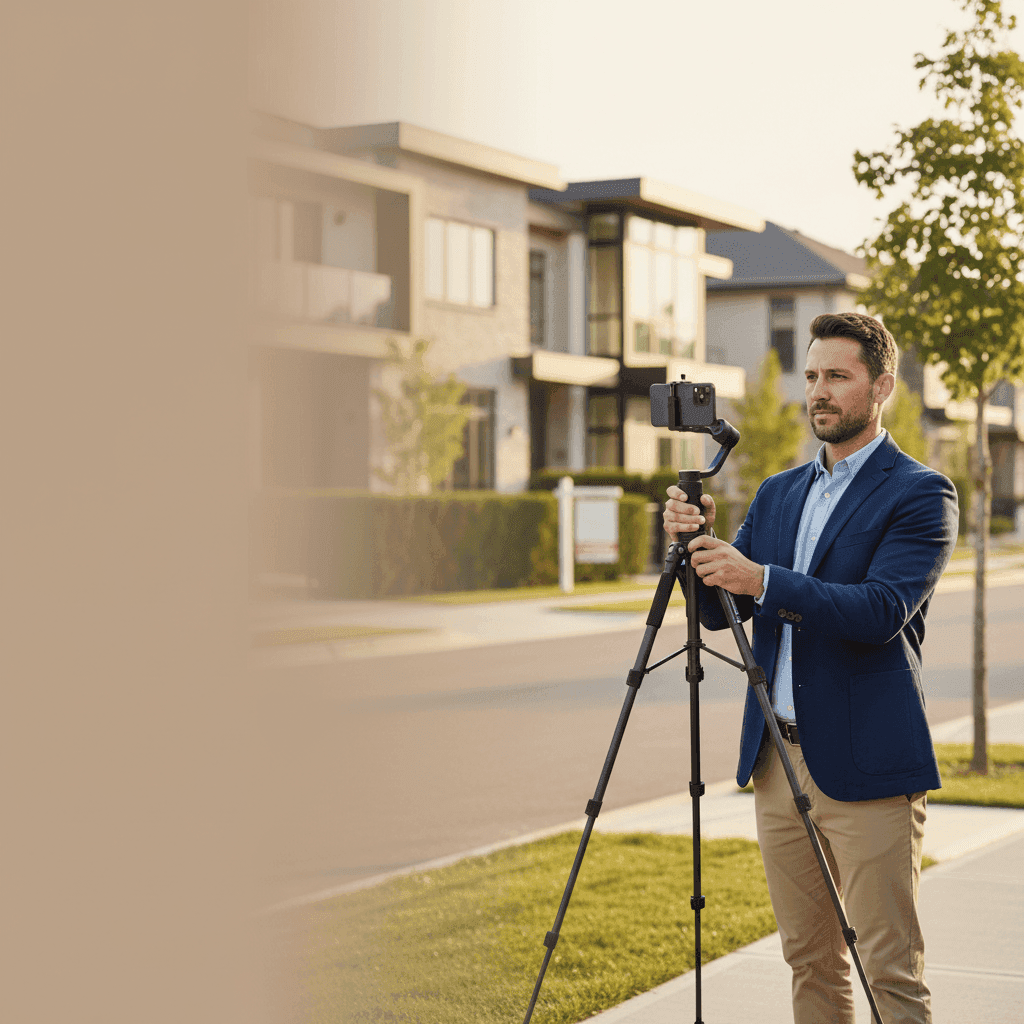
Realtor Storytelling Video That Builds Your Brand Fast


The Power of Realtor Storytelling Video in Real Estate Branding
The agents winning on social right now aren't shouting; they're telling clear, human stories. A well-made realtor storytelling video builds trust before the first showing and turns cold leads into warm conversations.
You know you need video, but time, budget, and on-camera fear get in the way. And without a plan, even a great clip won't build a brand. The result? You watch competitors gain followers and listings while your static posts get lost in the noise.
Here's what you'll learn: how to tell your realtor story with a repeatable framework, create an agent personal story video without a big crew, integrate narrative real estate marketing across channels, and measure what's working.
The numbers back this up. Listings with video receive 403% more inquiries than those without, showing how narrative visuals lift engagement and pipeline. Storytelling strengthens emotional connection and trust, critical elements in real estate brand storytelling that transform agents from "another realtor" into trusted advisors clients remember.
Your realtor storytelling video doesn't need Hollywood production. It needs authentic narrative, consistent delivery, and strategic distribution.
Grasping the Concept of a Realtor Storytelling Video
Video storytelling matters now because buyers and sellers crave connection before commitment. When listings with video receive 403% more inquiries than static posts, you're not just creating content – you're creating competitive advantage. Storytelling builds trust by tapping into emotion and shared values, the foundation of lasting client relationships.
The Anatomy of a Realtor Storytelling Video
Every effective realtor storytelling video contains six core elements that work together to capture attention and drive action.
**Hook (first 3 seconds)**: Open with a question, bold belief, or striking visual from your market. "Three mistakes cost my seller $40,000" grabs attention better than "Hi, I'm Sarah, your local realtor."
Protagonist: Position yourself as the helpful guide, not the hero. Your client is the hero facing challenges. You're the expert who knows the path forward.
Stakes: Highlight the problem your clients face. First-time buyer anxiety, downsizing decisions, or competitive market pressure. Make it specific and relatable.
Unique approach: Share your process, values, or community expertise that sets you apart. This could be your three-step buyer consultation or your neighborhood connection strategy.
Social proof: Include one specific client moment or testimonial line. "Lisa found her dream home in two weeks" beats generic claims about customer satisfaction.
Call to action: End with one low-friction next step. "DM 'SOLD' for our buyer guide" works better than asking viewers to call your office.
Length and format matter. Short form videos (30-60 seconds) work best for TikTok, Reels, and Shorts. Long form versions (60-120 seconds) perform well on YouTube and your website.
Visual elements include neighborhood B-roll footage, listing photos, community landmarks, and brief on-camera moments. The goal is immersion, not perfection.
Listings and brands that lead with video see outsized engagement compared to static imagery. Your storytelling video becomes the bridge between first impression and first conversation.
Sources:
The Connection Between Storytelling and Real Estate Branding
Narrative builds positioning by moving you from "another agent" to a trusted, relatable advisor. Storytelling creates emotional connections that static bios cannot match. When clients feel you understand their legacy – like protecting a family home transition – trust develops before you meet.
Memory cues develop through signature phrases, consistent visuals, and community themes. Clients remember "the agent who knows all the best coffee shops" more than generic market statistics.
Perceived expertise improves when stories highlight your process and outcomes. Sharing how you guided a nervous seller through multiple offers demonstrates competence better than listing credentials.
Example story angles that resonate include:
- "From renter to homeowner advocate" – connecting with first-time buyers
- "Neighborhood matchmaker" – focusing on schools, parks, and commutes
- "Legacy protector" – helping families transition with care and respect
A consistent realtor storytelling video cadence compounds brand equity over time. Each story adds another layer to your reputation and market positioning.
Sources:
How to Craft Your Realtor Story (and Realtor Storytelling Video)
Custom 1-2 minute branding videos that blend community visuals with client testimonials create "I already know you" rapport before first meetings. This pre-built trust accelerates the relationship timeline and increases conversion rates.
Identifying Your Brand's Narrative
Start with exercises that clarify your unique position in the market.
Values inventory: List five beliefs you won't compromise on. Examples include transparency in pricing, 24-hour response time, or thorough market analysis. These become your story's moral foundation.
Client avatar: Detail your top three client types. What are their fears, goals, and trust signals? A downsizing baby boomer has different concerns than a growing young family.
Signature promise: Craft your one-sentence "how we help" statement. "I turn house hunting from overwhelming to exciting through personalized neighborhood tours" gives clear value.
Proof moments: Identify three scenes that demonstrate your promise. A successful negotiation, community introduction, or thorough inspection walkthrough. These become video content gold.
Your output should be a 100-150 word brand narrative paragraph. This becomes the foundation that guides every agent personal story video you create. Write it once, use it everywhere.
How to Tell Your Realtor Story: A 5-Step Framework
This proven structure works whether you're creating a 30-second Reel or 2-minute YouTube video.
Step 1 - Lead with why: Open with a mission-driven line that resonates with your avatar. "I became a realtor because finding home shouldn't feel like gambling" connects immediately with anxious buyers.
Step 2 - Share a moment: Tell one specific client story that illustrates your approach. Use names (with permission) and concrete details. "When Mark and Jennifer's dream house had foundation issues, we didn't walk away – we negotiated $15,000 in repairs."
Step 3 - Show your method: Outline three steps you follow in every transaction. Visual overlays help here. "First, we tour five neighborhoods. Second, we review three financing options. Third, we submit offers with protection clauses."
Step 4 - Invite next step: Give a clear, specific call to action. "DM 'LIST' for my weekly pocket listings" or "Comment 'GUIDE' for my first-time buyer checklist."
Step 5 - Keep it human: Leave in a micro-imperfection like a natural laugh or candid aside. This signals authenticity and builds trust more effectively than polished corporate delivery.
Techniques for Effective Real Estate Brand Storytelling
Writing approaches that connect with your audience:
- Speak in your client's language. Avoid jargon or explain terms in plain language. Say "monthly payment" instead of "PITI."
- Use contrast structure. "Before working with us, Sarah visited 20 homes and felt overwhelmed. After our consultation, she found her perfect match in three showings."
- Anchor in place. Include neighborhood imagery and sounds that build immersion and local credibility.
On-camera delivery tips:
- Use bullet notes instead of full scripts. Glance at notes naturally rather than memorizing word-for-word.
- Record multiple videos in single sessions to reduce setup friction and maintain consistent energy.
- Choose good lighting over expensive equipment. Window light often works better than professional setups.
Format variations keep content fresh:
- Talking head combined with listing photos or market graphics
- Voiceover narration over neighborhood B-roll footage
- Client testimonial segments intercut with your explanation
- Behind-the-scenes glimpses of your daily process
Incorporate brief client testimonials to accelerate trust building. When potential clients hear from previous customers, the "I already know you" effect develops faster and stronger.
Tools like Peachgum offer a no-edit path to produce cinematic story videos from listing photos with built-in effects and soundtrack options. This approach works well for agents who want professional polish without hiring a videographer or learning complex editing software.
Sources:
Integrating Storytelling Into Different Marketing Strategies
Visual storytelling drives more inquiries and viewings across all channels. The key is adapting your core narrative for different platforms while maintaining message consistency. This creates compounding reach as audiences encounter your story multiple times in various formats.
Narrative Real Estate Marketing: A Practical Guide
Deployment strategy across multiple touchpoints:
Social platforms: Use Reels, TikTok, and Shorts for maximum reach. YouTube captures search traffic. LinkedIn targets your professional sphere and referral sources.
Website integration: Feature hero videos on your "About" page. Add story clips to listing pages and community guides. This builds trust before phone calls.
Email campaigns: Include monthly "story of the month" videos, 60-90 seconds long. These maintain engagement between transactions and generate referrals.
Physical marketing: Add QR codes on yard signs and open-house flyers that link directly to your story video. Bridge offline to online seamlessly.
Content cadence that builds momentum:
- One comprehensive brand story per quarter
- Two to four micro-stories per month featuring client wins, market tips, or behind-the-scenes moments
- Weekly community-focused content during peak seasons
Creative prompts for ongoing content:
- "The three hardest parts of buying in [neighborhood] and how we help"
- "Why this community's vibe feels different from everywhere else"
- "A small moment that saved our seller $10,000"
- "What I wish every first-time buyer knew before starting"
Making and Sharing Agent Personal Story Videos
Pre-production planning saves time and improves results:
Define the single outcome for each video. Are you building awareness, establishing trust, or setting appointments? This focus guides every creative decision.
Outline your structure: hook → moment → method → call to action. Write this in bullet points, not full sentences.
Gather visual assets before filming. Collect listing photos, neighborhood shots, and any client testimonial quotes you plan to include.
Production workflow using basic equipment:
Shoot A-roll footage on your smartphone near a window or outdoors for natural lighting. Aim for 1080p resolution at 30 frames per second minimum.
Capture 6-10 short B-roll clips of local parks, cafes, and landmarks. These become valuable editing assets for multiple videos.
Record voiceover in a quiet room, holding your phone 6-8 inches from your mouth. Clear audio matters more than perfect video quality.
Post-production and distribution strategy:
Edit for vertical format first since most social consumption happens on mobile. Add captions for accessibility and silent viewing.
Front-load your hook in the first three seconds. Most viewers decide to continue or scroll within this window.
Post natively to each platform rather than cross-posting. Instagram Reels, TikTok videos, and YouTube Shorts each perform better with native uploads.
Pin your top-performing videos to profile tops. These become your always-visible brand ambassadors.
Repurpose content by compiling 3-4 short clips into longer YouTube versions. This maximizes your content creation investment.
Custom branding pieces with community visuals and client proof create warmer first meetings. Prospects arrive feeling they already know your style and approach.
Peachgum can turn listing photos into ready-to-post Instagram, TikTok, and YouTube Shorts videos in minutes. No editing skills required, which helps maintain consistent posting schedules.
Sources:
Optimization Checklist for Social Platforms
Instagram Reels best practices:
- Add hook text overlay in the first frame to grab attention immediately
- Use hashtags combining neighborhood names, service types, and story themes
- Cross-post to Instagram Stories with poll stickers to drive engagement
- Reply to comments with video responses to extend reach
TikTok strategy adaptations:
- Lean into trending audio sparingly, prioritizing niche tips and local hooks
- Reply to comments with follow-up videos that deepen your narrative
- Use location tags to capture local search traffic
- Post consistently during peak hours for your market
YouTube Shorts optimization:
- Create searchable titles like "[Your City] Realtor Story: How I Help Downsizers Avoid 3 Common Mistakes"
- Add longer-form versions to your main channel with chapter timestamps
- Include relevant keywords in descriptions for search discovery
- Create playlists grouping related story themes
Visual formats consistently outperform static images for generating inquiries and property viewings. The investment in video storytelling pays dividends through increased engagement and conversion rates.
Peachgum exports platform-ready vertical videos with cinematic effects and soundtrack choices. This streamlines multi-platform posting without requiring separate editing for each destination.
Sources:
Pitfalls and Challenges in Realtor Storytelling
Authenticity drives trust in real estate relationships. Over-produced, overly promotional narratives can backfire by creating distance instead of connection. Understanding common mistakes helps you avoid them while building genuine audience relationships.
Common Missteps in Implementing Realtor Storytelling and How to Avoid Them
Over-promotion kills engagement and trust:
Mistake: Creating listing-feature monologues that sound like traditional advertising. "This beautiful home features granite countertops and stainless appliances" doesn't tell a story.
Fix: Lead with client stakes and outcomes instead of property features. "When Sarah saw this kitchen, she imagined Sunday morning pancakes with her kids" creates emotional connection. Include maximum one call to action per video.
Inauthentic tone creates skepticism:
Mistake: Using real estate jargon, buzzwords, and flawless delivery that sounds rehearsed. "Luxury living at its finest" sounds like marketing copy, not human conversation.
Fix: Use conversational language with real examples and intentional micro-imperfections. A natural laugh or candid comment signals authenticity and builds trust more effectively than polish.
Inconsistency hurts algorithm performance and audience retention:
Mistake: Sporadic posting leads to algorithm penalties and audience drop-off. Posting twice in one week, then disappearing for a month confuses both platforms and followers.
Fix: Batch-record content during focused sessions and maintain a monthly content calendar. Consistency beats perfection for building audience and brand recognition.
Length bloat loses viewer attention:
Mistake: Creating 3-5 minute rambling videos that lose focus and viewer attention. Most social platforms favor shorter, focused content.
Fix: Keep social videos to 30-60 seconds and website/YouTube content to 60-120 seconds maximum. Edit ruthlessly to maintain pace and engagement.
Missing social proof weakens credibility:
Mistake: Making claims about your service without supporting examples. "I provide excellent customer service" means nothing without context.
Fix: Include one specific testimonial line or concrete outcome in every story video. "Jennifer closed in 18 days instead of the typical 30" provides tangible proof.
Peachgum serves as a consistency tool, helping you turn listing photo folders into multiple short videos. This maintains regular posting schedules without the $500-$1,500 cost of hiring professional videographers for each campaign.
Sources:
Evaluating the Impact of Your Realtor Storytelling Video
A California real estate firm saw a 25% increase in property viewings after implementing immersive video experiences. This demonstrates measurable impact from strategic storytelling efforts. Tracking the right metrics helps you optimize your approach and prove return on investment.
Quantifying the Success of Your Storytelling Efforts
Awareness metrics show reach and initial engagement:
- Impressions and reach indicate how many people see your content
- View-through rate (VTR) reveals how compelling your hooks are
- Average watch time shows content quality and audience engagement
- Completion rate indicates whether your full message resonates
Engagement metrics measure audience connection:
- Comments, saves, and direct messages started show deeper interest
- Shares indicate content worth recommending to others
- Profile visits suggest viewers want to learn more about you
- "Link in bio" clicks demonstrate intent to take action
Conversion-adjacent metrics track business pipeline development:
- Email opt-ins to market updates and buyer/seller guides
- Seller consultation form submissions from website visitors
- Open house RSVP increases from social media promotion
- Referral inquiries mentioning your video content
Sales metrics connect storytelling directly to revenue:
- Appointments set through social media contact
- Signed listing and buyer agreements from video-sourced leads
- Days on market improvements for listings featuring video
- Average sale price variance compared to comparable properties
Attribution strategies help track video impact:
- Use UTM tracking links in social media bios and YouTube descriptions
- Ask "How did you find me?" during initial client conversations
- Tag CRM entries with traffic source information
- Track content performance cohorts monthly to identify patterns
Monthly analysis reveals compounding effects as your story library grows and audience familiarity increases.
Improve Through Feedback Loops
Post-performance analysis using this checklist:
- Did the first three seconds effectively grab attention and earn continued viewing?
- Was the client's challenge or goal clearly established and relatable?
- Did one specific proof moment land with authentic detail?
- Was the call to action specific, clear, and low-friction for viewers?
Iteration opportunities based on performance data:
- Test new hook styles and shorter video cuts for improved retention
- Experiment with different music choices or visual styles to match platform preferences
- Adjust posting times and hashtag strategies based on engagement patterns
- Refine your story structure based on completion rate feedback
Expect engagement improvements as you refine your video storytelling approach over time. Each iteration teaches you more about what resonates with your specific audience and market.
Peachgum enables quick testing of different visual effects and soundtrack options using the same base content. This shortens iteration cycles and helps you discover formats that boost completion rates and engagement.
Sources:
Start Building Your Story Library This Week
A realtor storytelling video adds emotion, trust, and memorability to your brand in ways that static content cannot match. The framework is straightforward: hook → moment → method → call to action. Distribute this across Instagram Reels, TikTok, YouTube Shorts, and your website for maximum reach.
Track watch time, saves, shares, direct messages, and appointment conversion rates to prove return on investment. These metrics demonstrate the business impact of authentic storytelling.
Your next steps are clear and actionable. Draft your 100-150 word brand narrative this week. Outline a 60-90 second agent personal story video using the five-step framework. Batch-produce two variations and publish across all your platforms.
Consistency matters more than perfection in building audience trust and algorithm favor. Start with your smartphone, natural lighting, and authentic delivery. Polish develops through practice, not expensive equipment.
Want to learn more about effective real estate marketing strategies? Subscribe to our newsletter for regular insights and practical tips delivered straight to your inbox.
Ready to streamline your video creation process? Create your first story video in minutes with Peachgum – a fast, affordable alternative to hiring a videographer for every campaign.