Virtual Staging Service Photographer Revenue Playbook

Virtual Staging Service Photographer Playbook: A Profitable Upsell for Real Estate Shooters
Empty rooms don't sell stories, and stories sell homes. Virtual staging bridges that gap without the cost or chaos of physical furniture. While vacant properties sit on the market longer and sell for thousands less, smart photographers are turning this challenge into their biggest revenue opportunity.
Many photographers leave money on the table by not packaging virtual staging as an upsell and by not positioning it to match what agents value most. The gap between what clients need and what photographers offer is costing both sides real money.
In this guide, you'll learn exactly how a virtual staging service photographer can structure services, pricing, and delivery. We'll cover the tools and skills you need, proven strategies to pitch and win more add-ons, and how to turn your existing photography skills into a higher-margin business.
The numbers speak for themselves. Vacant homes sell for an average of $11,306 less and spend six more days on the market compared to staged or virtually staged homes. Virtual staging lets you capture that value for your clients while building a more profitable photography business.
Sources
What Is Virtual Staging and Why Should Photographers Care?
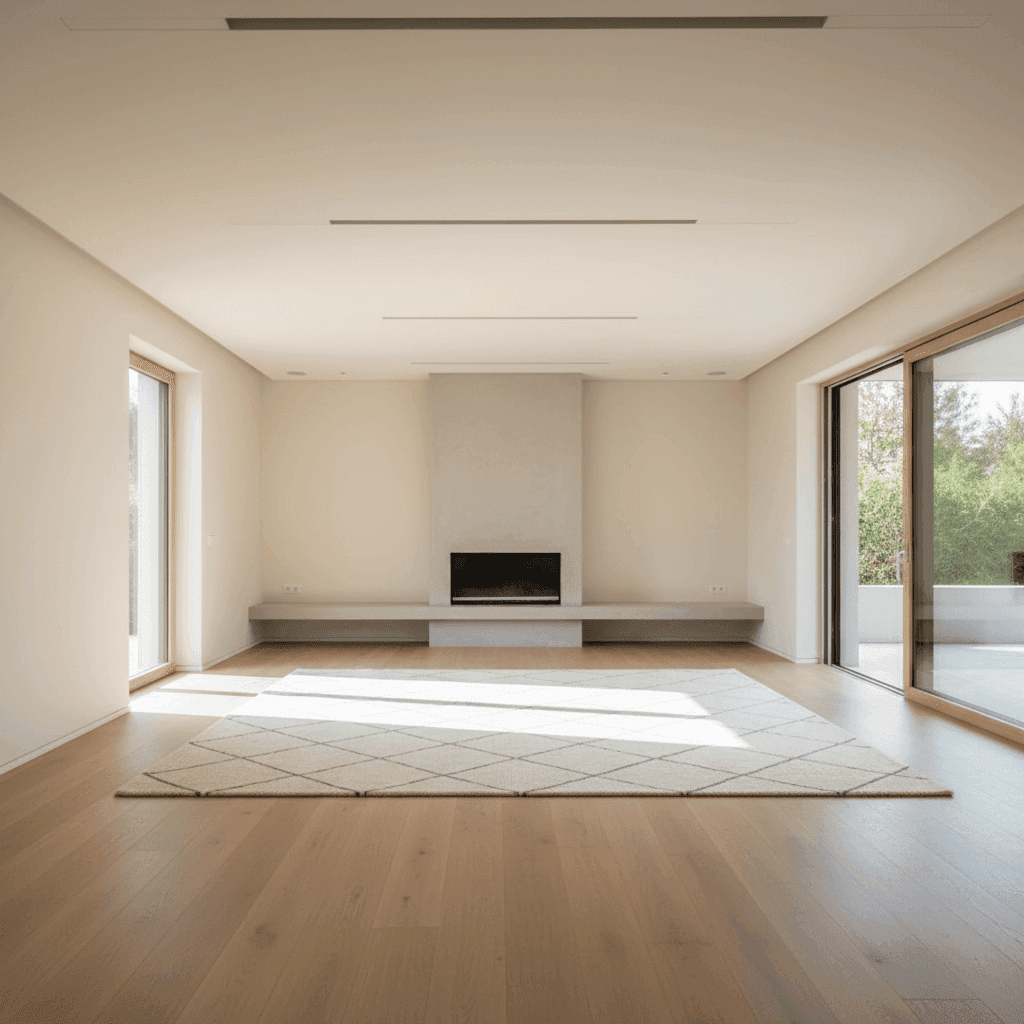
Virtual staging is the process of digitally adding furniture, decor, and lifestyle elements to empty or sparsely furnished rooms in real estate photos. Unlike physical staging, which requires renting furniture and hiring movers, virtual staging happens entirely in post-production using specialized software and AI tools.
For photographers, virtual staging fits perfectly into the listing lifecycle. You shoot empty rooms during your normal session, then add furnishings digitally before delivery. This eliminates the logistical headaches of coordinating with stagers while giving you complete creative control over the final result.
Virtual staging improves the speed and efficiency of the photography process by allowing photographers to add furniture digitally without physical setup, enabling more properties to be photographed in less time. You can shoot multiple empty properties in a single day, then stage them all during post-production. This efficiency boost means more bookings and higher revenue per hour spent on location.
The market impact is substantial. Vacant homes sell for an average of $11,306 less and spend six more days on the market compared to staged or virtually staged homes. This gives you a compelling value proposition when talking to agents: virtual staging isn't just about pretty pictures, it's about protecting their clients' equity and speeding up sales cycles.
Sources
The Rising Potential of Virtual Staging Revenue for the Virtual Staging Service Photographer
Consumer Expectations and Market Trends
The demand for virtual staging has surged dramatically. More than 7 in 10 agents find virtual staging, videos, and virtual tours more important since the start of the COVID-19 pandemic. This shift isn't temporary—buyers now expect listings to showcase a property's potential through visual storytelling.
This trend creates a recurring income opportunity for photographers. Agents who see results from virtual staging become repeat customers, often requesting staging on every listing. The service becomes part of their standard marketing package rather than an occasional add-on.
The Revenue Benefit
The unit economics of virtual staging are compelling. Photographers can average an additional $30 per image when offering virtual staging services alongside photography. For a typical listing with 8 staged rooms, that's an extra $240 per shoot. Scale this across 20 shoots per month, and you're looking at an additional $4,800 in monthly revenue.
Virtual staging is also a margin driver. Virtual staging costs up to 97% less than traditional physical staging, leaving plenty of room for profit while still offering clients significant savings. A living room that might cost $2,000 to physically stage for a month can be virtually staged for $30-50 with much faster turnaround.
Here's sample math to illustrate the opportunity: If you currently shoot 20 properties monthly at $200 per shoot ($4,000 total revenue), adding virtual staging to just half those shoots with 8 staged images each would add $2,400 monthly ($30 × 8 images × 10 shoots). That's a 60% revenue increase with work that can largely be batched during existing post-production time.
Sources
How to Become a Virtual Staging Service Photographer: Add Virtual Staging to Services, Skills, and Workflow
Required Skills and Software
The skill set for virtual staging builds on what you already know as a photographer. You'll need to master composition for empty rooms, perspective matching, and realistic lighting and shadow integration. The good news is that modern AI tools handle much of the heavy lifting.
Virtual Staging AI tools produce results in less than 10 seconds per image with plans starting at $12 per month for six photos. These platforms use machine learning to automatically match lighting, shadows, and perspective, reducing the technical complexity significantly. Creating a virtually staged room takes about 20 minutes with only 5 minutes of actual work using specialized software—the rest is processing time.
Popular tools include Virtual Staging AI, Apply Design, and PhotoUp's staging service. Each offers different features, from AI-powered furniture placement to custom design options. Start with a basic plan to test demand, then upgrade as your volume grows.
Practical Steps for Incorporating Virtual Staging into Your Business
First, modify your shoot workflow to capture staging-ready shots. This means taking wide-angle shots with neutral lighting and minimal distortion. Shoot from the same height and angle you'd use for final photos, as these will become your staging foundation.
Build room-style presets for faster turnaround and consistent results. Create templates for modern, Scandinavian, traditional, and luxury styles. This lets you offer clients style choices while streamlining your production process. Most clients prefer to see 2-3 style options rather than unlimited customization.
Define clear service level agreements (SLAs) upfront. Set turnaround times (typically 24-48 hours), revision policies (usually 1-2 rounds included), and delivery formats (high-resolution JPEGs for MLS, web-optimized versions for social media). Clear expectations prevent scope creep and unhappy clients.
For marketing rollout, start by emailing past clients about the new service. Add a before/after gallery to your website showcasing your staging work. Update your pricing sheet and include staging questions in your new-shoot intake form. This creates multiple touchpoints to introduce the service.
How to Offer Virtual Staging Photographer Packages and Delivery Standards
Structure your packages around room count and revision levels. A typical structure might be Essential (3 rooms staged), Premium (6 rooms staged), and Luxury (10 rooms staged with 2 revision rounds). This makes pricing decisions simple for clients while encouraging larger orders.
For delivery, provide MLS-compliant JPEG files at standard resolutions (typically 1920x1280 or similar). Include watermarked preview versions for client approval before final delivery. This protects your work while streamlining the approval process.
Offer tiered turnaround times to capture different budget levels. Standard delivery in 48 hours works for most listings, while rush 24-hour service commands premium pricing. Same-day turnaround should only be offered when you have capacity, as it can strain operations and quality.
When delivering finals, include an optional "social reels add-on" that converts staged photos into short-form video—no videographer needed. Use Peachgum to turn listing photos into cinematic, ready-to-post videos in minutes.
Sources
The Art of Upselling Virtual Staging Services
Successful upselling starts with understanding why agents increasingly prioritize virtual staging and video. More than 7 in 10 agents find these services more important since COVID-19, making this a market-driven conversation rather than a hard sell. Tie your pitch directly to their need to stand out in a crowded market and move listings faster.
Pricing and Scripts for a Photographer Virtual Staging Upsell
Anchor your pitch to client outcomes rather than features. Try: "Staged visuals help listings sell faster and avoid price cuts. We can stage your key rooms for $30 per image, delivered in 48 hours. Which rooms would showcase this property's potential best?"
Use tiered pricing to simplify decisions and increase average order size. When you present Essential ($90 for 3 rooms), Premium ($180 for 6 rooms), and Luxury ($300 for 10 rooms) packages, clients often choose the middle option. This psychological anchoring effect naturally increases your revenue per shoot.
Per-room pricing also makes the investment feel manageable. "$30 per room" feels smaller than "$300 for staging," even when the total is identical. Always present pricing in the most favorable light while remaining honest about total investment.
Objection Handling and Proof
"Will it look fake?" is the most common concern. Address this with realistic before/after examples that show proper lighting and shadow matching. Explain your quality standards and offer a satisfaction guarantee for first-time clients. Poor virtual staging does look fake, but professional work is virtually indistinguishable from physical staging.
"Is it allowed?" concerns MLS and brokerage guidelines. Research local requirements and develop a clear watermarking and labeling policy. Most markets require disclosure that images are virtually staged, but this transparency actually builds trust with buyers rather than deceiving them.
"Is it worth it?" gets answered with cost comparisons. Virtual staging costs up to 97% less than physical staging while delivering similar market impact. A $240 virtual staging investment that helps avoid a $5,000 price reduction or speeds sale by a week is clearly worthwhile.
Timing Your Pitch (When Clients Say Yes Most)
The best time to pitch is during initial booking when you can offer bundled pricing discounts. "Add staging to any 5+ room shoot for just $25 per room instead of our usual $30" creates immediate value and urgency.
After delivering raw photos, follow up with quick mockups of 1-2 staged rooms. This lets clients visualize the transformation and often triggers orders for additional rooms. The key is showing rather than telling.
Finally, pitch staging when listings receive price reduction alerts. Frame it as a way to refresh the listing creatively rather than just cutting price. "Before you reduce price, let's try staging the main living spaces to generate new interest" often resonates with frustrated agents.
Cross-sell a "Reels Boost Pack" after staging approvals: export polished Instagram, TikTok, and YouTube Shorts videos straight from your staged photos with Peachgum—a faster, cheaper alternative to hiring a videographer.
Sources
Beyond Photos: Turn Staged Shots into Short-Form Video Reels
Video content has become essential for real estate marketing. Agents rank video and virtual experiences as more important post-COVID, creating another revenue stream from your staged photos. Instead of delivering static images and stopping there, you can offer virtual staging photographer services that include motion graphics and video.
The deliverables are straightforward: 9:16 vertical videos (15-30 seconds), branded cover images, and captions with hashtags aligned to neighborhood and property type. These videos work perfectly for Instagram Reels, TikTok, and YouTube Shorts—the platforms where many buyers now discover properties.
Pricing can be structured as a flat fee per reel ($50-75 is common) or bundled with staged-image packages for higher average order value. Many photographers find that video add-ons increase their total revenue per shoot by 20-30% while requiring minimal additional time investment.
Use Peachgum to instantly transform your staged photo set into cinematic shorts with effects and soundtracks—ready to post to Instagram, TikTok, and YouTube Shorts, no editing skills required.
Sources
Key Takeaways for the Aspiring Virtual Staging Photographer
Virtual staging delivers a powerful combination: it's fast to produce, affordable for clients, and high-margin for photographers. Virtual staging costs up to 97% less than physical staging, giving you room for healthy profits while still providing exceptional client value. The efficiency gains are real—you can stage multiple properties during post-production without coordinating schedules or managing furniture logistics.
The revenue opportunity is substantial and scalable. Adding an average of $30 per staged image can add hundreds of dollars per shoot, with minimal additional time investment. Clear packages, service level agreements, and quality examples make the service easy to sell and deliver consistently.
Modern buyer expectations support this business model. Pairing staged photos with short-form video broadens your deliverables and helps clients meet modern buyer expectations across social media platforms. This isn't just about keeping up with trends—it's about positioning yourself as a complete marketing solution rather than just a photographer.
Sources
Your Next Listing Transformation Starts Today
Virtual staging lets photographers add value quickly, protect client pricing power, and grow revenue with minimal extra time investment. The technology has never been more accessible, the market demand is proven, and the profit margins make this one of the highest-leverage services you can add to your business.
Start by building your service packages and adding staged examples to your portfolio. Price confidently based on the value you're delivering—faster sales and higher prices for your clients' listings. Then pitch every listing that can benefit, focusing on vacant properties and homes that have been on the market for more than 30 days.
The agents who embrace virtual staging today will have a competitive advantage tomorrow. Position yourself as their go-to resource for this service, and you'll build recurring revenue streams that compound over time.
Want an easy add-on after you deliver staged images? Turn them into cinematic reels in minutes with Peachgum and offer virtual staging photographer packages that include ready-to-post social content—no videographer, no editing, just results that help your clients stand out in a crowded market.