How to Write Neighborhood Guide Real Estate That Ranks


How to Write a Neighborhood Guide for Real Estate: A Practical, SEO-Driven Playbook for Agents
Buyers don't just shop houses, they shop lifestyles. When someone searches for homes in your market, they're really asking: "Will I be happy living here?" A strong neighborhood guide keeps prospects on your site longer and positions you as the hyperlocal expert who truly knows the area.
Most neighborhood guides fail because they're thin lists of restaurants and parks. They don't answer the real questions buyers have about commute times, school quality, or what it's actually like to live there day-to-day. Worse, they don't show up in search results when buyers are researching areas.
In this guide, you'll learn how to write a neighborhood guide real estate clients trust and search engines reward. We'll cover the exact research workflow, critical data points to include, neighborhood guide SEO tactics, and distribution strategies that turn guides into lead magnets.
Research shows that neighborhood guides build hyperlocal authority and act as always-on lead generators that keep traffic on your site versus third-party portals. The key is creating depth that differentiates your content from surface-level competitors.
By the end, you'll have a repeatable system, templates, and a 60-minute build schedule to create guides that actually convert.
Sources:
Why Neighborhood Guides Matter (And What Buyers Actually Want)
Your neighborhood guide serves a bigger purpose than just filling your website with content. It's your chance to control the narrative about local areas and capture buyers before they disappear into Zillow or other portals.
Buyers use guides to make informed decisions by quickly scanning lifestyle factors, local amenities, transportation options, and real estate trends in one place. They want answers to practical questions: How long is the commute downtown? Are the schools actually good? What's the vibe like on weekends?
The guides that win are the ones with depth. Thorough research into community character and local amenities separates professional guides from the generic content everyone else publishes. When buyers find a guide that actually helps them understand what living there feels like, they stay on your site longer and are more likely to reach out.
Think of your guide as a qualifying tool. The right buyer will read it and think, "This agent really knows this area." The wrong buyer will self-select out, saving you time on unqualified leads.
Sources:
Before You Write a Neighborhood Guide for Real Estate: Research and Structure
Don't start writing until you have a clear research plan. The best guides follow a systematic approach that ensures you don't miss critical details buyers care about.
Start by defining your scope. What are the exact boundaries of this neighborhood? Are there sub-neighborhoods within it that have different characteristics? What neighboring areas do buyers typically cross-shop? Getting this right prevents confusion and helps with SEO targeting.
Next, gather your data before you write a single word. Create a checklist that includes median home prices, days on market, inventory trends, cost of living data, major employment hubs, average commute times, transit options, and basic demographics. Add school ratings, crime statistics, walkability scores, and recent home value trends to give buyers the decision-making data they need.
Structure your guide for scanning, not reading. Most buyers will skim first, then dig deeper into sections that matter to them. Use this framework:
- Neighborhood overview and "who it's best for"
- Housing market snapshot
- Lifestyle and amenities breakdown
- Schools and education options
- Transportation and commute details
- Interactive map with key locations
- Frequently asked questions
This structure ensures you cover buyer priorities while making the content easy to navigate on mobile devices.
Use Peachgum to transform your existing listing photos into a 30-45 second "neighborhood sizzle" video for the top of the guide. This boosts time on page without requiring editing skills or hiring a videographer.
Sources:
Critical Elements to Include in Your Area Guide for a Real Estate Blog
Your area guide real estate blog needs specific components to inform buyer decisions and rank in search results. Missing any of these elements weakens the guide's effectiveness and search visibility.
Essential components include real estate market trends like median home prices and current inventory levels, cost of living comparisons, employment data, demographic information, and detailed transportation options. Layer in compelling data points such as school ratings, crime statistics, home value trends, commute times to major employment centers, and walkability scores to help buyers make confident decisions.
These data points aren't just nice to have. They directly impact whether a buyer chooses to tour homes in the area or look elsewhere.
Local Amenities and Attractions (Local Guide for Agents)
Organize amenities by category to make scanning easier. Cover parks and recreational trails, fitness centers and gyms, healthcare facilities, grocery stores and shopping centers, restaurants and cafes, nightlife options, cultural venues like museums or theaters, seasonal events and festivals, and pet-friendly amenities like dog parks or veterinary clinics.
Don't just list these places. Include practical details like distance from the neighborhood center, approximate travel times, and what makes each spot special. If there's a farmer's market every Saturday or a popular food truck that parks nearby on Fridays, mention it.
Consider embedding a map that shows these locations visually. Buyers want to understand the spatial relationship between their potential home and the places they'll visit regularly.
Sources:
Local Schools and Education Facilities
School information matters even to buyers without children because it affects resale values. Include public, private, and charter school options with current ratings and notable programs in STEM, arts, or other specialties. Document feeder patterns so buyers understand which elementary schools lead to which middle and high schools.
Add enrollment information and any notable achievements or rankings. If there are specialized preschools or daycare centers in the area, mention those too.
Use tools like GreatSchools as a reference, but don't rely solely on ratings. Include context about what makes schools special, whether that's small class sizes, innovative programs, or strong parent involvement.
Sources:
Community Life and Neighborhood Culture (Community Guide Content)
This section captures what makes the neighborhood feel like home. Describe the community character through regular events like farmer's markets, annual festivals, block parties, or holiday celebrations. Note active neighborhood associations, historic district designations, volunteer organizations, and the general lifestyle vibe.
Is it quiet and family-friendly? Artsy and eclectic? Young professional-focused? Use specific examples to paint the picture. If there's a popular local tradition or a beloved community spot, share it.
Include quotes from current residents or your own observations from spending time in the area. This human element helps buyers envision themselves as part of the community.
Sources:
Housing Snapshot and Market Trends
Give buyers a clear picture of what they can expect to find and afford. Include typical home styles (ranch, colonial, contemporary), price brackets by property type (condos, townhomes, single-family), current inventory levels, recent price appreciation trends, and rent versus buy considerations for the area.
Use simple visual elements like callout boxes or brief charts to highlight current market data. Include the most recent month or quarter statistics, but avoid overwhelming buyers with too many numbers.
If certain home styles are more common or if there are unique architectural features in the neighborhood, point those out. Buyers often have strong preferences about home types.
Sources:
Commute and Transportation
Transportation options often make or break a neighborhood choice. Cover major routes and highways, average commute times to downtown and major employment hubs, public transit lines and stops, park-and-ride facilities, bike lanes and pedestrian paths, and last-mile options like rideshare availability.
Include practical tips like the best times to avoid heavy traffic or which routes offer the most reliable travel times. If there are planned transportation improvements or new transit lines coming, mention those too.
Buyers want to know not just that they can get to work, but how pleasant or stressful that daily commute will be.
Add a short amenities montage video made from photos using Peachgum to quickly showcase parks, cafes, and landmarks. Pick a soundtrack and cinematic effect that matches the neighborhood vibe.
Sources:
Neighborhood Guide SEO: How to Make Your Content Discoverable
The best neighborhood guide in the world won't generate leads if buyers can't find it. Strategic SEO turns your guide into a long-term traffic asset that works while you sleep.
Target hyperlocal keywords in your headings and meta descriptions. Use phrases like "{Neighborhood} real estate," "{Neighborhood} homes for sale," and related modifiers throughout your content. Integrate supporting terms like "area guide," "living in {Neighborhood}," and "{Neighborhood} lifestyle" naturally in your writing.
Optimize your on-page elements for maximum visibility. Use a clear URL slug that includes your neighborhood name, create scannable headings with relevant keywords, add internal links to your current listings and related neighborhood guides, and implement schema markup for FAQ sections.
Include unique photos with descriptive alt text that includes location details. Embed a short-form video to increase dwell time and engagement signals that search engines reward.
Keep your content fresh by updating it quarterly and republishing with "Updated {Month Year}" in the title. Build complementary assets like standalone school guides or "best restaurants in {Neighborhood}" posts that link back to your main guide. This content cluster strategy helps you dominate local search results.
Add strategic lead capture points throughout the guide. Offer downloadable PDF versions or neighborhood checklists in exchange for contact information. Place contact prompts naturally at the end of major sections, not just at the bottom of the page.
Drop a ready-to-post vertical video for Reels, Shorts, and TikTok at the top of the guide using Peachgum. This improves engagement and on-page time faster and cheaper than hiring a videographer.
Sources:
How to Write a Neighborhood Guide for Real Estate: Step-by-Step
Follow this systematic process to create guides that convert browsers into buyers. Each step builds on the previous one, so don't skip ahead.
Step 1: Define Your Audience Segments
Identify who you're writing for. First-time buyers, downsizers, and investors all care about different things. Create a brief "who it's best for" section that speaks directly to your target segments.
Step 2: Gather and Verify Data
Build a central document with all your research and cite your sources. This makes updates easier and ensures accuracy. Include links to data sources so you can refresh numbers quickly during quarterly updates.
Step 3: Conduct On-the-Ground Scouting
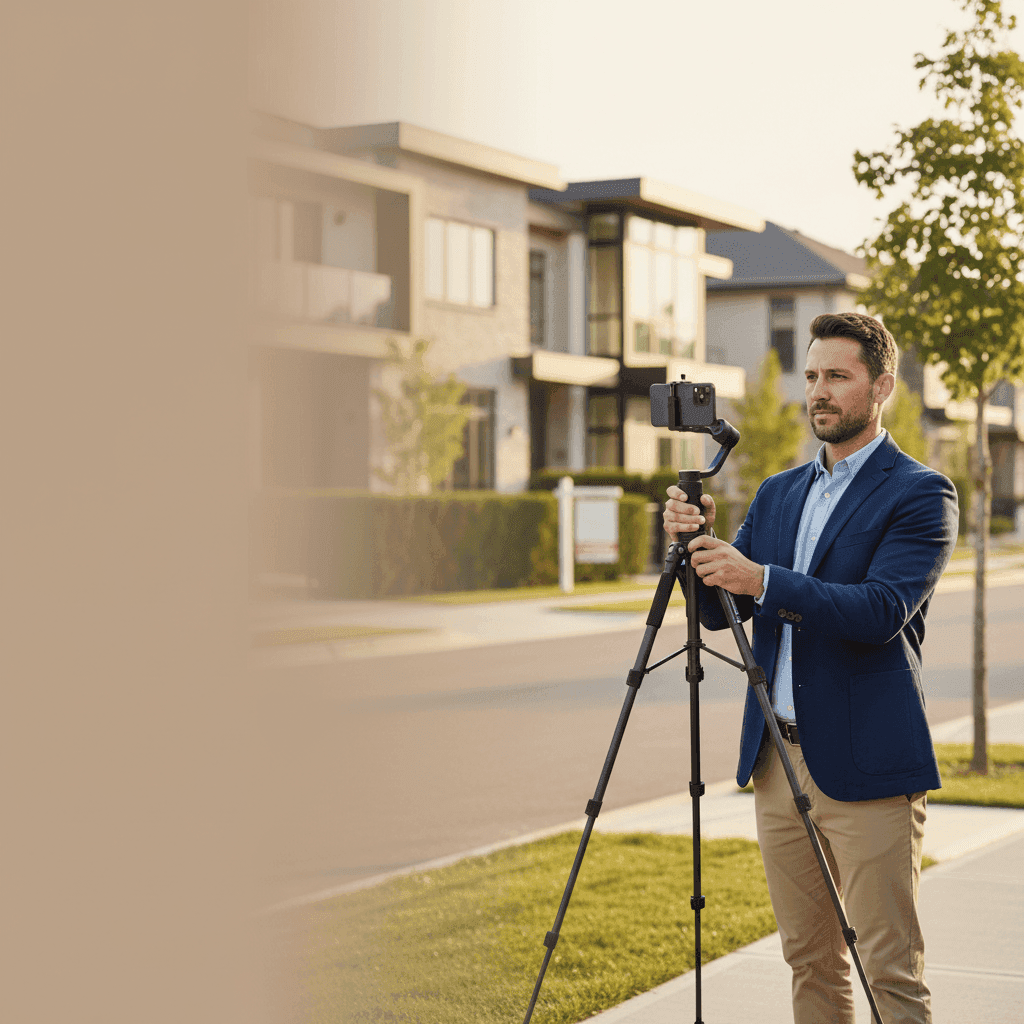
Walk the main streets during different times and days. Capture photos of key amenities and note details like peak traffic hours, noise levels, and the general activity level. This firsthand knowledge sets your guide apart from desk research.
Step 4: Draft Your Overview Last
Start with the detailed sections, then write your neighborhood overview. Lead with the neighborhood's unique value proposition, then provide housing and lifestyle summaries. This approach ensures your overview accurately reflects the full content.
Step 5: Add Visual Elements
Include an interactive map, high-quality photos, short videos, and simple charts for market data. Add school snapshots with current ratings and any notable program highlights.
Step 6: Edit for Scanning
Break up text with subheadings, bullet points, bold callouts, and FAQ sections. Most buyers will skim first, so make key information easy to find.
Step 7: Publish and Interlink
Connect your guide to current listings, market reports, and adjacent neighborhood pages. Add internal calls-to-action that encourage readers to explore more of your content or contact you directly.
Step 8: Schedule Regular Updates
Set quarterly reminders to refresh prices, inventory levels, new amenities, transportation changes, and school ratings. Log these changes so you can highlight what's new in your updates.
If you already have property or area photos, feed them into Peachgum to auto-create a polished neighborhood teaser video in minutes. This is ideal for embedding in the guide and sharing on social media without hiring a videographer.
Sources:
Position and Distribute Your Neighborhood Guide: Social, Video, and Lead Capture
Creating the guide is only half the work. Strategic positioning and distribution ensure it reaches the right buyers and generates pipeline results.
Publish consistently to build authority. Aim for one new neighborhood guide per month and update existing guides quarterly. This regular cadence helps you own local search results for your market areas.
Create complementary content that interlinks with your main guides. Standalone school guides, "best restaurants in {Neighborhood}" lists, and seasonal event roundups all support your main neighborhood guide while capturing additional search traffic.
This approach reinforces your hyperlocal authority and keeps traffic on your website instead of losing visitors to major real estate portals.
Making Use of Social Media Marketing
Repurpose your guide content across social platforms to maximize reach. Create Instagram carousel posts highlighting key amenities, film Instagram Reels and Stories showcasing neighborhood highlights, produce TikTok micro-tours of interesting spots, and post YouTube Shorts featuring quick neighborhood overviews. Always link back to your full guide.
Follow a strategic posting schedule. Launch each new guide with a blitz of 3-5 social posts during the first week, then repost evergreen content quarterly with updated statistics like new median prices or inventory levels.
Add UTM tracking parameters to your social media links so you can measure which platforms drive the most traffic and leads to your guides.
Create platform-ready short-form videos from photos with Peachgum and post to Instagram, TikTok, and YouTube Shorts in minutes. This saves significant time and cost compared to hiring a videographer for each neighborhood.
Email and Lead Magnets
Transform your neighborhood guide into lead generation assets. Offer downloadable PDF versions or create "Moving to {Neighborhood} Starter Kits" that require email signup. These work well as mid-article lead forms and end-of-article calls-to-action.
Include neighborhood highlights in your monthly email newsletter to keep past clients and prospects engaged with your local expertise. This positions you as the go-to agent when they're ready to move or refer friends.
Local Partnerships and Offline Promotion
Cross-promote with local businesses mentioned in your guide. Many will share your content if it highlights their establishment positively. Connect with homeowner associations and community groups who can help distribute your guide to interested residents.
Create QR codes linking to your guide and include them on printed flyers, business cards, or yard signs. Host short virtual neighborhood tours using your video assets and drive signups through local advertising.
Use Peachgum to quickly generate multiple neighborhood vibe variations with different soundtracks and visual effects. A/B test which version earns higher engagement on Reels and Shorts to optimize your social media strategy.
Sources:
Examples, Templates, and a 60-Minute Build Schedule
Remove the barriers to getting started with this time-boxed approach. You can create a solid first draft of any neighborhood guide in just one hour by following this sprint schedule.
60-Minute Sprint Breakdown:
Minutes 1-10: Market Data Collection
Pull the latest statistics including median home prices, days on market, and current inventory levels. Use your MLS system or local market reports for accuracy.
Minutes 11-20: School Information
Gather school ratings and highlight notable programs or achievements. Focus on the schools that serve the neighborhood directly.
Minutes 21-35: Amenities Research
Create a categorized list of local amenities including dining, shopping, recreation, and services. Use map tools to verify locations and note distances from the neighborhood center.
Minutes 36-50: Content Creation
Draft your neighborhood overview and "who it's best for" section. Keep it concise but specific about the lifestyle and buyer type that fits best.
Minutes 51-60: Video Creation
Export a 30-45 second neighborhood video from your listing or area photos using Peachgum. Choose music and effects that match the neighborhood character, then embed the video in your guide.
This time-boxed approach creates guides with concise, scannable sections and strong data points that align with proven best practices for high-performing neighborhood content.
Sources:
Turn Your Neighborhood Guides into Compounding Lead Assets
When you write a neighborhood guide real estate buyers actually use, with deep data, strong visuals, and consistent updates, you build hyperlocal authority that compounds over time. These guides become always-on lead funnels that work even when you're focused on other parts of your business.
The key is treating guides as living documents, not one-time projects. Consistent creation and quarterly updates amplify your search visibility and lead generation potential. Start with one neighborhood this week, use the 60-minute framework, and iterate from there.
Each guide you publish strengthens your position as the local expert. Over time, you'll own the search results for neighborhood information in your market, capturing buyers before they find other agents.
Try Peachgum to turn your photos into cinematic short-form videos for your neighborhood guides and social channels in minutes. No videographer required, no complex editing, just professional-quality content that makes your guides stand out and keeps visitors engaged.
Sources: