QR Codes for Real Estate Ideas Setup and Best Practices

QR Codes Real Estate: Turn Signs, Listings, and Open Houses into Instant Leads
Picture this: a potential buyer drives past your listing, pulls over, and wants to know more right now. They're standing curbside, phone in hand, but typing a long URL from your yard sign feels clunky. Half the time, they just drive away instead.
QR codes real estate strategies solve this exact problem. They let buyers scan a simple code and instantly access listing details, virtual tours, and your contact information in seconds. No typing, no hassle, just immediate information when interest peaks.
Most agents either skip QR codes entirely or create ones that send scanners to slow, generic pages that kill momentum. The missed opportunity is huge. When implemented correctly, QR codes can transform every touchpoint in your marketing from passive advertising into active lead generation.
You'll learn what QR codes are and why they work so well in real estate, how to create a QR code for listing pages and videos, where to place them on real estate signs for maximum impact, how to run high-converting QR code open houses, creative ideas that drive engagement, and what the future holds for QR codes in real estate marketing.
The numbers back this up. A recent survey of over 1,500 marketers found that 93% increased QR code usage in the past 12 months due to their high engagement rates. In real estate specifically, QR codes enable instant access to property listings, virtual tours, and contact information, creating seamless experiences that convert browsers into buyers.
Sources:
QR Codes Real Estate 101: What They Are and Why They Work
Understanding QR Codes
A QR code is a square, scannable image that stores information like URLs, contact details, or text. When someone points their smartphone camera at it, the code instantly opens a web page, starts a phone call, or saves contact information. It's designed for mobile devices, making it perfect for on-the-go buyers who want instant access to property information.
There are two main types: static and dynamic QR codes. Static codes contain fixed information that can't be changed once created. Dynamic codes let you update the destination URL anytime, plus they provide tracking data on scans and user behavior. For real estate listings and signs, dynamic codes are usually the better choice since you can update information and track which placements generate the most interest.
The advantages are clear: speed, convenience, and better mobile experience. Instead of asking potential buyers to remember or type long URLs, they simply scan and go. QR codes work from several feet away, making them perfect for yard signs and marketing materials. They also support rich content delivery, letting you showcase virtual tours, photo galleries, and detailed agent information instantly.
QR Codes in the Real Estate Landscape
Real estate agents use QR codes for five core applications: directing to listing pages, linking to photo and video galleries, opening 3D virtual tours, introducing the agent through video, and capturing leads through forms or contact pages.
The benefits center on increased engagement and smoother conversions. When buyers can access rich property details instantly, they're more likely to stay engaged and take the next step. QR codes provide instant access to property details, virtual tours, and agent contact information, enhancing engagement and streamlining conversions for real estate professionals.
The trend data shows massive momentum. Marketers across industries report surging QR code usage and engagement, with 93% increasing usage year over year due to strong performance metrics. This adoption wave extends directly into real estate marketing.
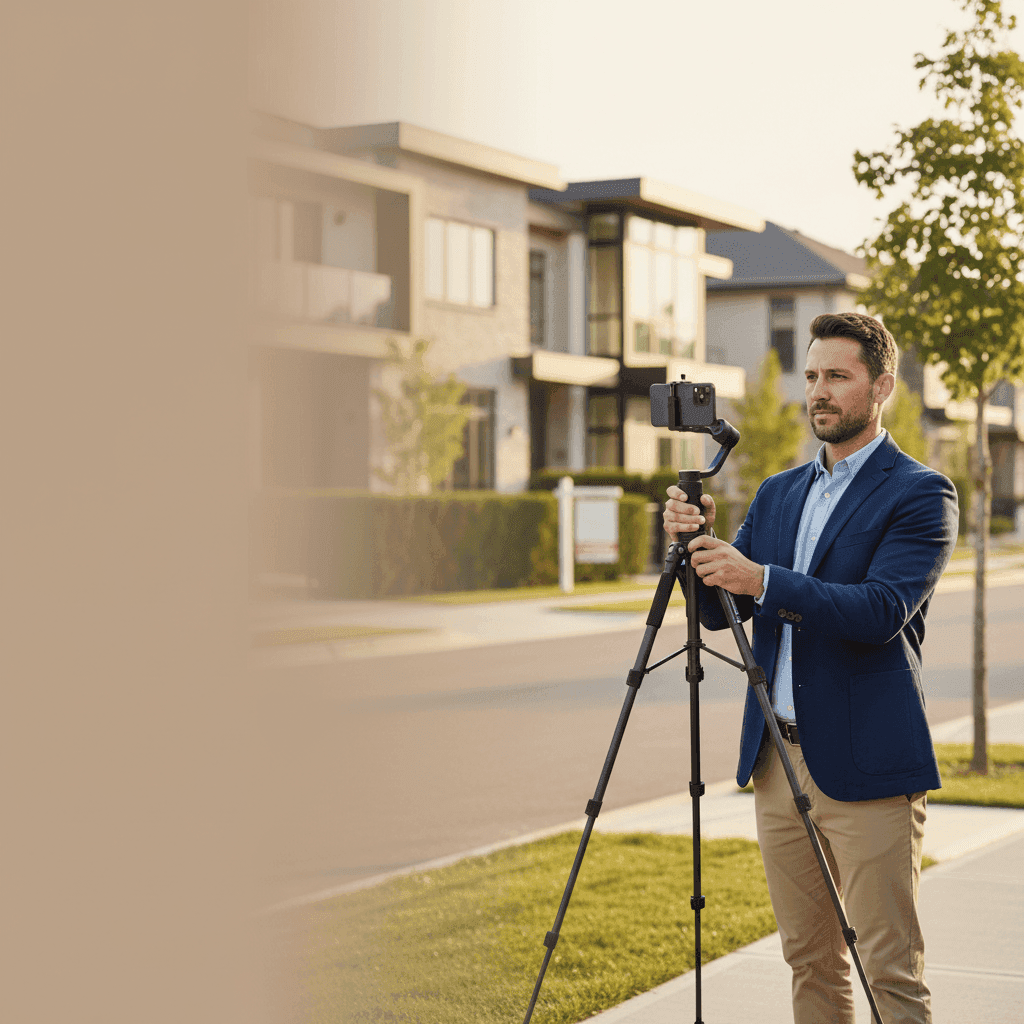
Here's where it gets interesting for listing videos. You can link your QR code to a short, cinematic listing video that delivers an immediate, high-impact experience. With Peachgum, you can create these professional-quality videos in minutes, giving scanners an instant preview of the property's best features.
Sources:
How to Create a QR Code for Real Estate Listings
Step-by-Step: Make a QR Code for Listing
Start by preparing your destination. The best QR code for listing targets include the MLS listing page, a dedicated mobile-optimized landing page, or a vertical short-form video page. Whatever you choose, make sure it loads fast and looks great on mobile devices.
Next, add tracking parameters to your URL. Use UTM codes to track where scans come from (yard sign, flyer, postcard) and measure sessions, conversions, and lead quality. This data helps you optimize placement and messaging over time.
Choose a reputable QR code generator that offers dynamic codes. Popular options include QR Code Generator, Bitly, and QRStuff. Dynamic codes cost a bit more but let you change destinations later and provide detailed analytics.
For design, incorporate your brand colors and add a clear call-to-action around the code. Instead of a plain black square, try "Scan for photos & video" or "See price & virtual tour." Make sure there's enough contrast and white space around the code for reliable scanning.
Test thoroughly before going live. Scan your code with different phones, in various lighting conditions, and from different distances. Size it appropriately for each use case—larger for print materials, smaller but still scannable for digital use.
Effective Placement to Maximize Scans
On listing flyers, postcards, and yard riders, make the value proposition crystal clear. Use phrases like "View price, photos, and video now" or "Take the virtual tour." Position QR codes prominently but not intrusively, ensuring they don't compete with your main headline or property photo.
Pay attention to technical details that affect scannability. Use high contrast backgrounds, avoid glossy finishes that create glare, and maintain adequate quiet zones (blank space) around the code. Matte finishes work better than glossy for printed materials.
Research shows the most effective placements include yard signs linking to full photos and pricing, and open house invitations that link to RSVP pages to capture buyer details before events. These placements work because they meet buyers exactly where their interest peaks.
Consider linking your listing QR code to a vertical, ready-to-post video made with Peachgum. This approach boosts engagement from scanners with a cinematic experience that showcases the property beautifully—no video editing skills required.
Sources:
Integrating QR Codes on Real Estate Signs
The Impact of QR Codes on Real Estate Signs
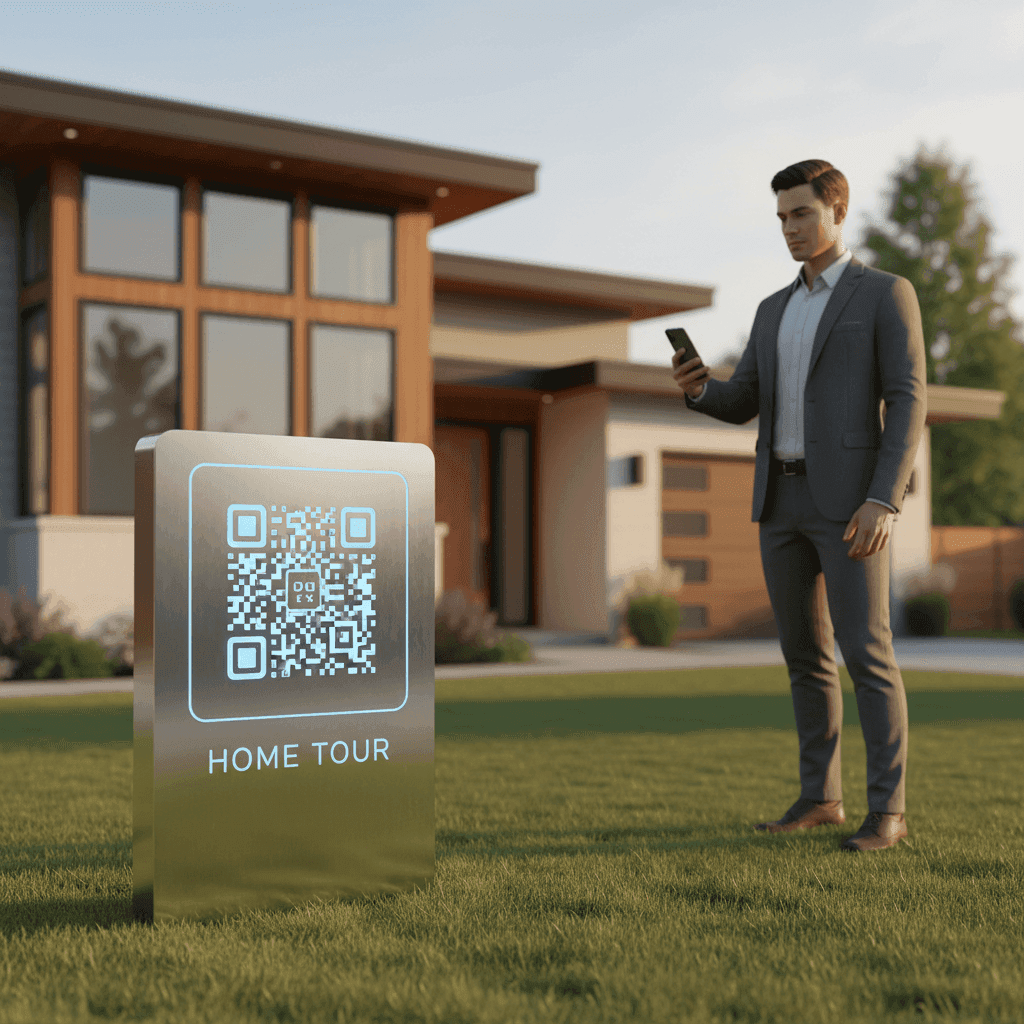
Real estate signs are prime QR code territory because they capture buyers at the perfect moment: when curbside curiosity meets the desire for instant information. Instead of making interested buyers call, email, or hunt for the listing online later, QR codes deliver details immediately while they're standing in front of the property.
The performance numbers are impressive. QR codes on yard signs deliver a 37% click-through rate, which is over ten times the rate of typical digital ads. This exceptional performance happens because the context is perfect—buyers are physically present and actively interested.
Real-world success stories prove the concept works. A New York real estate agency increased engagement significantly by using QR codes on property signs to provide immediate access to virtual tours and detailed descriptions. The key was making the value obvious and the experience seamless.
The most effective copy prompts that convert include "Scan for video tour," "Scan for price & open house times," and "Scan to message the agent." These phrases clearly communicate what buyers will get and why they should scan.
Creating a QR Code for Real Estate Signs
When creating a real estate sign QR code, prioritize your destinations strategically. First choice: a mobile-optimized listing or landing page with photos, pricing, and video. Second choice: direct link to a virtual tour. Third choice: agent contact or chat interface.
For technical setup, use dynamic QR codes so you can update destinations if needed. Create short URLs with UTM parameters to track performance by sign location. Design with high contrast and ensure the QR code measures at least 2 inches on riders and 4 inches on large signs for optimal scannability.
Place the QR code at eye level on your sign or rider. Add directional arrows or borders to draw attention. Ensure the sign placement gets good lighting throughout the day and consider matte finishes to reduce glare that interferes with scanning.
Point your real estate sign QR code to a TikTok or Instagram Reel made with Peachgum. It exports vertical, ready-to-post video that's perfect for quick, on-the-spot viewing while buyers are standing curbside.
Sources:
Innovatively Using QR Codes for Open Houses
The Power of QR Codes during Open Houses
QR codes transform open houses from simple walkthroughs into interactive, data-rich experiences. Before the event, place QR codes on invitations and postcards that link to RSVP or pre-registration pages. This captures contact information and builds your buyer database before people even arrive.
During the open house, use QR codes for seamless check-in processes that replace traditional sign-in sheets. Link codes to digital forms, disclosure documents, floor plans, neighborhood comparisons, or feedback surveys. This approach feels more modern and captures better data than paper forms.
After the event, QR codes on follow-up materials can link to highlight reels, upcoming showing times, similar listings, or direct agent contact. This keeps the conversation going with interested buyers who might need more time to decide.
QR codes on open house signage that link to RSVPs or registration pages help capture buyer contact details before arrival, creating warmer leads and better preparation for agents.
Crafting an Open House QR Code
Start by building a simple RSVP or registration landing page optimized for mobile. Include fields for contact information, showing preferences, and specific interests about the property. Set this page as your QR code destination and add UTM parameters to track performance.
Create clear instructions that communicate value: "Scan to register and get the video tour plus disclosure documents" or "Scan to check in and access floor plans." Make the benefit obvious so people understand why they should scan.
For on-site signage, use large QR codes positioned at waist-to-eye level. Place them near the entry and at key rooms with specific calls-to-action like "Scan to see this room's virtual staging options" or "Scan for neighborhood amenities guide."
Use Peachgum to create a 30 to 45-second highlight reel from listing photos. Link your qr code open house materials to this video to warm up buyers before they arrive, giving them a preview of what to expect and building excitement for the visit.
Sources:
Creative QR Code Real Estate Ideas That Drive Engagement
Ideas You Can Ship This Week
Create a "neighborhood bites and commutes" landing page that your QR code links to. Include local restaurant recommendations, coffee shops, school ratings, and average commute times to major employment centers. This hyperlocal content helps buyers envision their daily life in the area.
Develop an agent introduction video that builds trust and personality. A 20 to 30-second personal welcome video linked via QR code helps buyers connect with you before they call or email. Keep it authentic and focus on your expertise and commitment to client service.
Build a testimonial reel featuring short client stories and success cases. Future-forward concepts include real-time testimonials and integrated chat options that let browsers ask questions immediately while viewing properties.
Create QR codes that link to interactive floor plans or 3D virtual tours. This gives on-site browsers the ability to explore spaces virtually, imagine furniture placement, or revisit rooms they found interesting during their initial walkthrough.
Design lead magnets accessible through QR codes: downloadable neighborhood guides, mortgage calculator tools, or "ask the agent" contact forms. You can also showcase special financing offers or buyer incentives that create urgency.
Turn listing photos into cinematic short-form videos with Peachgum, then use creative qr code real estate concepts like "Scan to watch the 45-second cinematic tour." This approach combines the convenience of QR codes with the engagement power of video content.
Sources:
QR Codes Real Estate: Metrics, Compliance, and Best Practices
Tracking and KPIs
Measure what matters: total scans, unique visitors, click-through rate from QR code to landing page, video play rates, form completion rates, and qualified inquiries generated. These metrics help you understand which placements and messages drive the best results.
For implementation, use dynamic QR codes combined with UTM parameters and connect everything to your analytics dashboard. Create distinct QR destinations for each channel (yard sign versus flyer versus open house) so you can track performance by placement type.
Industry benchmarks show strong momentum. Marketers report high QR engagement across sectors, with widespread adoption growth driven by improved smartphone cameras and user familiarity with scanning. Real estate agents who implement QR codes systematically see measurable increases in lead capture and buyer engagement.
Set up conversion tracking to measure the full funnel from scan to showing request to signed agreement. This data helps you calculate ROI and optimize your QR code strategy over time.
Accessibility, Privacy, and Safety
Make your QR codes accessible by adding alternative text descriptions for digital placements and providing short URLs as backup options for users who can't or prefer not to scan. This ensures everyone can access your content regardless of their device or scanning ability.
Handle privacy responsibly by being transparent about data collection in RSVP and lead capture forms. Link to your privacy policy and only collect information that's genuinely useful for serving buyers better. Clear communication builds trust and improves conversion rates.
Maintain safety and trust by ensuring all QR destinations load quickly, look professional, and use HTTPS security. Avoid linking to slow pages, broken sites, or anything that might seem spammy. First impressions matter enormously in real estate.
Stay compliant with local sign ordinances, HOA rules, and franchise branding guidelines when adding QR codes to yard signs and marketing materials. Check requirements before printing to avoid issues later.
Sources:
The Future of QR Codes in Real Estate
Where It's Heading
The next wave of innovation includes more interactive experiences accessible through QR codes. Expect to see real-time client testimonials, embedded chat functions, and interactive building floor plans that let browsers explore properties in immersive ways. These features will make QR codes even more valuable for both agents and buyers.
There's also growing convergence between QR codes and short-form video content. Scanning codes will increasingly open TikTok-style Reels or YouTube Shorts that tell property stories quickly and engagingly. This trend aligns perfectly with how people consume content on mobile devices.
Augmented reality integration represents another frontier. Future QR codes might trigger AR experiences that let buyers visualize furniture placement, room renovations, or neighborhood changes right from their phones while standing in properties.
How to Stay Ahead
Standardize QR codes across your entire listing package: sign riders, flyers, postcards, website listings, and open house materials. Consistency builds familiarity and increases overall scan rates as buyers encounter your codes multiple times.
Keep optimizing through A/B testing. Try different headlines, destinations (video versus listing page), and placements based on scan data and lead quality. Marketers are leaning heavily into QR codes because engagement signals remain strong, so continuous improvement pays off.
Monitor emerging trends and be ready to adapt. As video becomes the default endpoint for QR code scans, tools like Peachgum help agents produce cinematic, mobile-first videos in minutes. This approach is faster and more cost-effective than hiring videographers while delivering professional results.
Sources:
Your QR Code Game Plan Starts This Week
QR codes make it effortless to deliver listing details, virtual tours, and contact information at the exact moment buyer interest peaks. When implemented correctly, they transform passive marketing materials into active lead generation tools. Marketers consistently report strong engagement when QR codes connect to valuable, mobile-optimized content that serves buyer needs immediately.
The path forward is straightforward: start with one listing and one sign rider this week. Create a QR code that links to your best content (ideally including video), test it thoroughly, and track the results. Compare different destinations like video tours versus landing pages, and refine your approach based on scan data and lead quality.
Most agents who succeed with QR codes focus on the fundamentals first: clear value propositions, mobile-optimized destinations, proper sizing and placement, and systematic tracking. Once these basics work well, you can experiment with creative applications and interactive features.
Consider tying your QR code experience to a short, cinematic listing video produced in minutes with Peachgum. This combination maximizes engagement from every scan by delivering immediate visual impact that showcases properties at their best.
The opportunity is significant, and the barrier to entry is low. While other agents debate whether QR codes are worth trying, you can be capturing leads and serving buyers better starting today.
Sources: