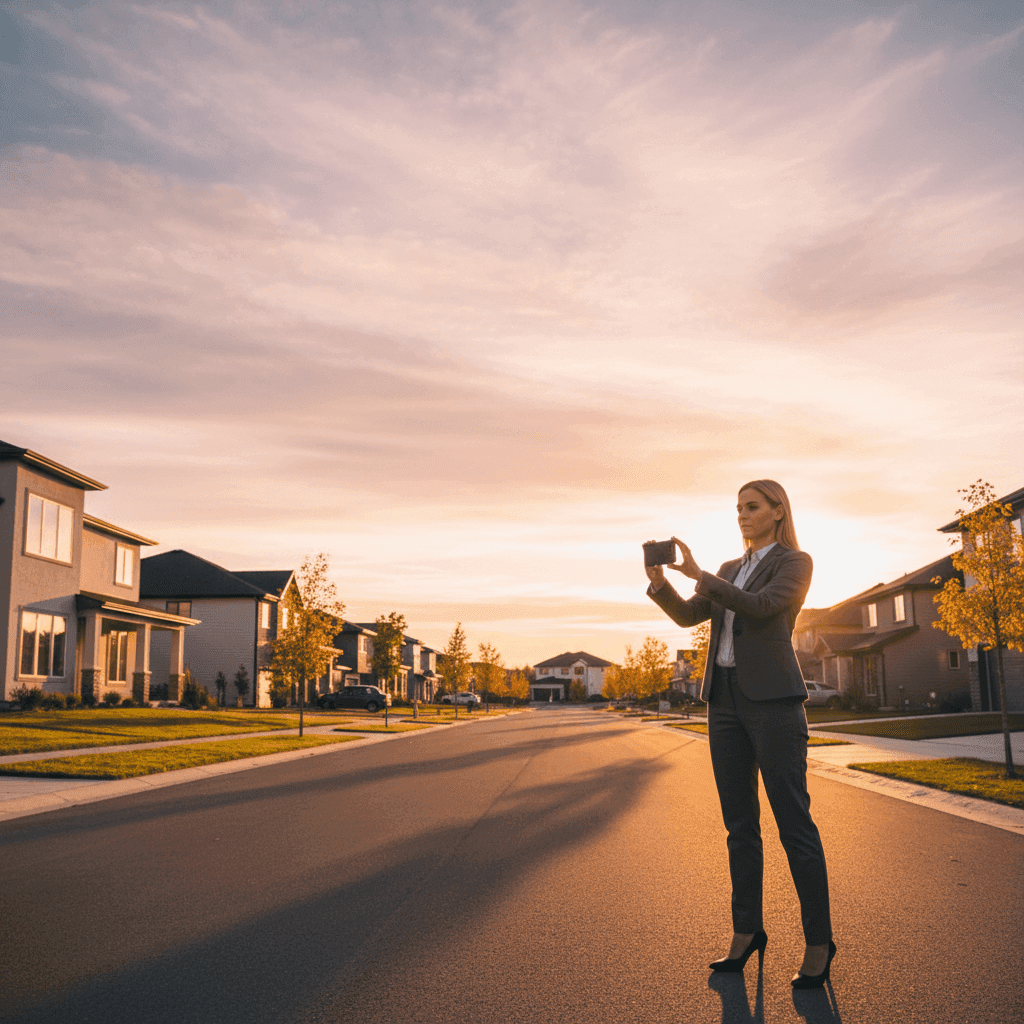
Day in the Life Neighborhood Video Guide for Realtors

Day in the Life Neighborhood Video: A Deep Dive into Neighborhood and Community Lifestyles
Buyers can tour a house in minutes, but what they really want to know is what it feels like to live there. A well-made day in the life neighborhood video answers that in one scroll-stopping clip.
Many agents struggle to capture a neighborhood's real rhythm. Morning coffee lines, school drop-offs, parks at golden hour. These authentic moments matter to buyers, but they're hard to showcase without overspending on production or losing the genuine feel that makes neighborhoods special.
In this guide, you'll learn what a day in the life neighborhood video is, how to plan the story and shot list, filming and editing tips, and how to distribute across Instagram, TikTok, and YouTube for maximum reach. Whether you're showcasing a quiet suburban street or a bustling downtown district, this format helps buyers visualize their daily routine before they even step foot in a property.
What Is a Day in the Life Neighborhood Video?
A day in the life neighborhood video is a narrative, time-based walkthrough of everyday moments in a specific area. Instead of listing amenities or showing static shots of buildings, you follow the natural rhythm of community life from morning to evening.
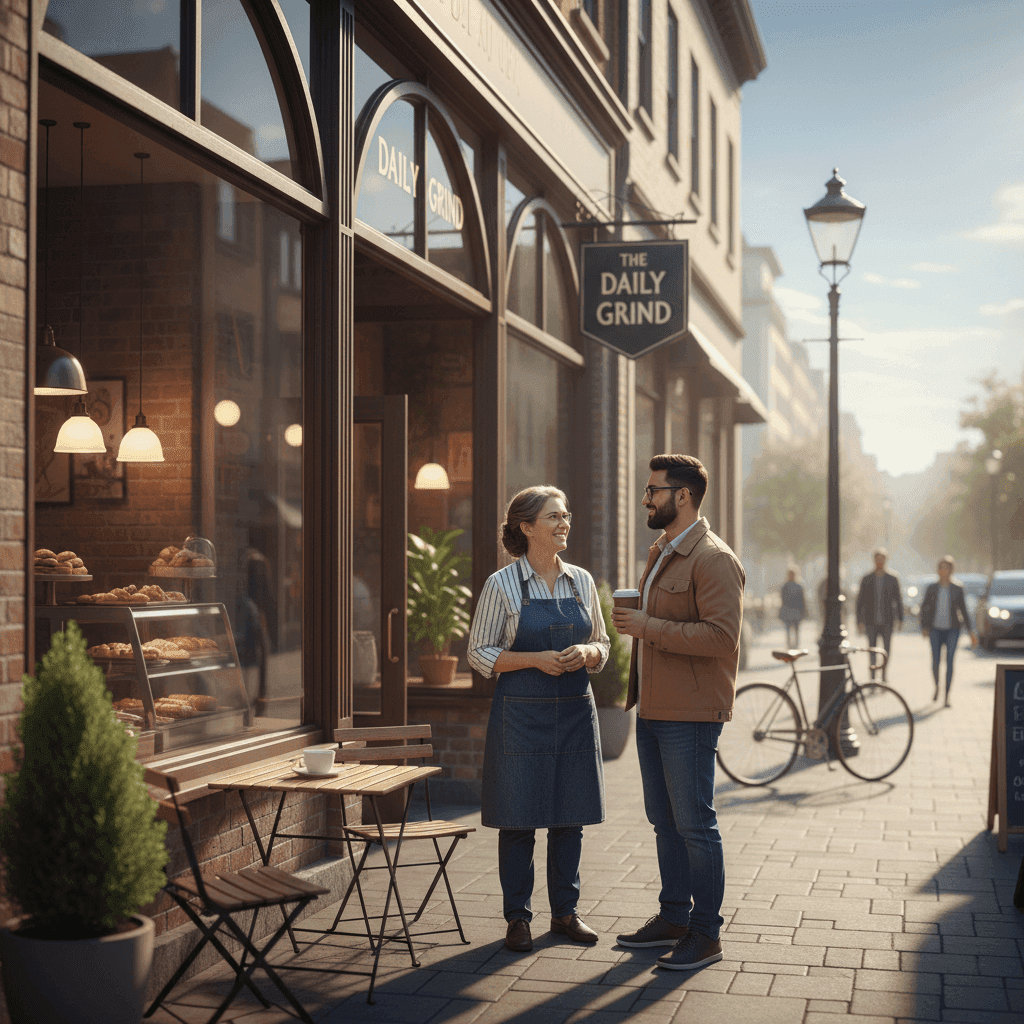
Think of it as a mini-documentary that captures a typical Tuesday. You might start with the 7 AM coffee rush at the local cafe, follow commuters to the train station, check out the lunch crowd at the park, and end with families walking to the evening soccer game.
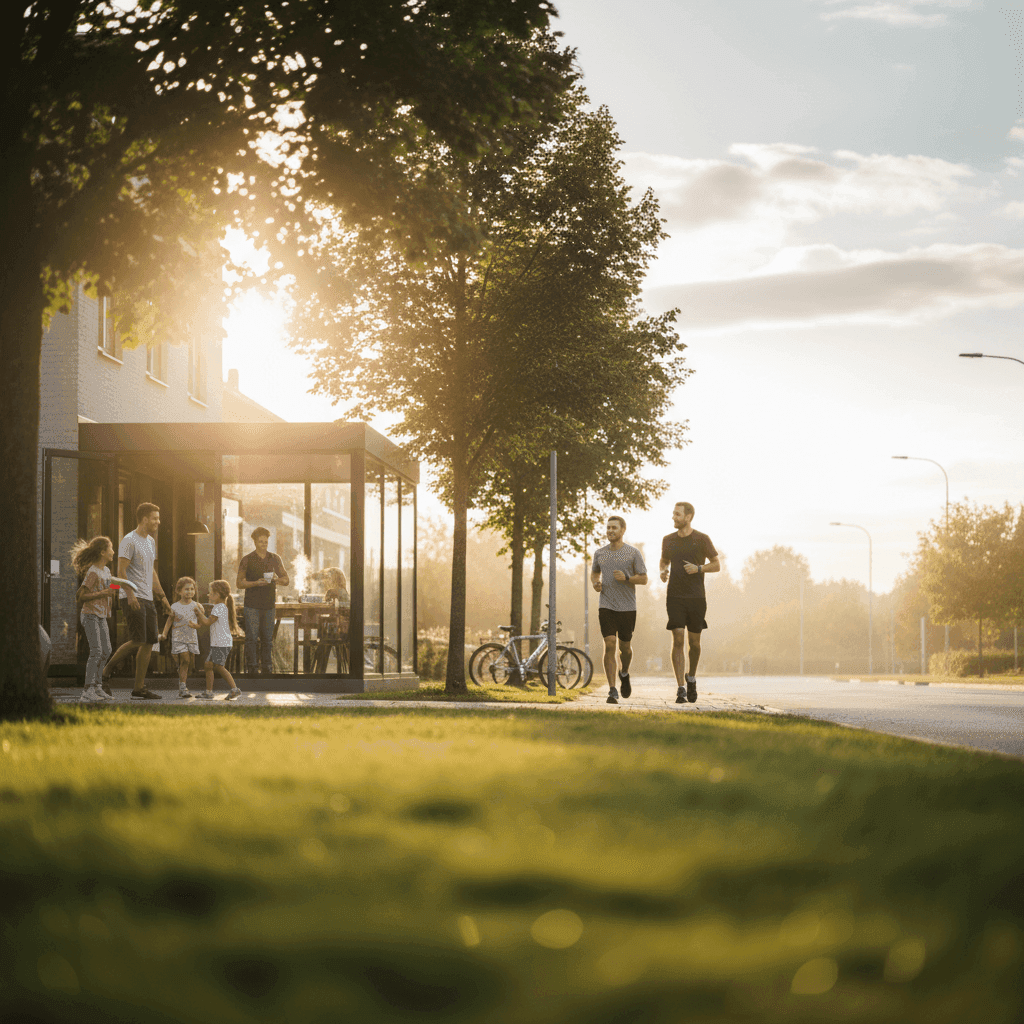
This format contrasts sharply with standard area guides that focus on facts and figures. While traditional neighborhood videos might list "three parks within walking distance," a day in the life approach shows kids actually playing on swings while parents chat on benches. You're not just telling viewers about walkability. You're showing the morning joggers, the dog walkers, and the stroller-pushing parents who make those sidewalks come alive.
The benefits for both buyers and sellers are significant. Buyers get realistic expectations about daily life, from commute times to noise levels to the actual vibe of weekend mornings. Sellers benefit because their property becomes part of a lifestyle story, not just square footage and features. This approach builds trust and often shortens the decision cycle because buyers can genuinely picture themselves in the community.
A neighborhood lifestyle video serves as a powerful preview that helps qualified buyers self-select while giving them confidence in their choice.
Sources:
No source provided.
How to Plan a Day in the Life Neighborhood Video (Story Arc, Shot List, Permissions)
The strongest day in the life neighborhood videos follow a clear story arc that guides viewers through a complete experience. You have three main narrative approaches to choose from.
The resident POV approach puts viewers in first person with phrases like "come with me" or "let me show you my typical morning." This works well when you have a willing local resident or when you're targeting specific demographics like young professionals or retirees.
The agent-hosted walk-and-talk format positions you as the neighborhood expert guiding viewers through the day. You appear on camera explaining what you're seeing and why it matters. This builds your personal brand while showcasing your local knowledge.
The persona-based approach follows fictional but realistic characters. You might structure the day around "Sarah, a remote worker with two kids" or "Mike, who commutes downtown but loves quiet evenings." This approach helps buyers with similar lifestyles immediately connect with the content.
Your core shot list should cover four main dayparts, each capturing 3-5 key scenes. Morning coverage includes the local cafe during rush hour, transit and commute patterns, and school zones with safety crossings. Focus on the energy and pace that defines morning life in this neighborhood.
Midday shots cover parks during lunch breaks, gyms or fitness centers, co-working spaces if relevant, and popular lunch spots. This section answers the question: "What would my lunch break look like if I lived here?"
Afternoon coverage captures grocery shopping, pet-friendly areas like dog parks, and after-school activities. These scenes help families visualize their weekday routine and weekend errands.
Evening footage includes restaurants during dinner hours, community events or gathering spots, and overall lighting and safety impressions. Pay attention to noise levels too. The difference between a quiet residential street and a busy commercial area becomes obvious in evening shots.
When planning your shoot, you need to understand permissions and guidelines. You can film in public spaces from public vantage points, but avoid identifying minors or private residences without explicit consent. Be mindful of music licensing if you're capturing audio near businesses, and watch for prominent storefront logos that might require permission for commercial use.
Capture plenty of B-roll and ambient audio to convey the true neighborhood vibe. The gentle hum of distant traffic tells a different story than the quiet rustle of leaves in a cul-de-sac. These subtle audio cues often matter more to buyers than visual elements.
Use Peachgum to quickly storyboard a teaser before your main shoot. Upload a few neighborhood photos like the local cafe, a park scene, or a skyline shot, and get a cinematic short that previews the full video. This approach requires no editing skills and helps you visualize your story arc before investing time in filming.
Sources:
No source provided.
Neighborhood Lifestyle Video vs. Community Realtor Vlog: Which Format Fits Your Market?
Understanding the difference between neighborhood lifestyle videos and community realtor vlogs helps you choose the right approach for your market and content goals.
A neighborhood lifestyle video is polished, narrative-driven, and day-structured. These videos require more planning and production time, but they create strong first impressions and work exceptionally well for specific listings or relocation clients. Think of them as mini-documentaries that showcase a complete lifestyle experience.
A community realtor vlog is episodic, personality-led, and focuses on behind-the-scenes content. These vlogs build your long-term brand by showing your expertise and connection to the community. They require less formal planning but need consistent publishing to maintain audience engagement.
The pros and cons vary significantly. Lifestyle videos excel at supporting specific listings and attracting relocation clients who need comprehensive neighborhood information. However, they require substantial planning, longer production time, and work best when you have multiple shots and story elements to weave together.
Community vlogs build long-term brand recognition and establish you as the local expert. They're lighter to produce per episode and give you more flexibility in content topics. The downside is they require consistent posting to maintain momentum, and the return on investment takes longer to materialize.
Choose lifestyle videos for new developments where you want to showcase the emerging community, established suburbs where you can capture family-oriented daily routines, or urban areas with distinct morning and evening energy. Choose community vlogs when you're building long-term brand awareness or when you want to cover multiple neighborhoods without the intensive production requirements.
Community Vlog Realtor Workflow (Weekly Cadence and Topics)
A sustainable community vlog workflow focuses on topics that showcase your local expertise while requiring manageable production effort. Strong topic ideas include new business openings with quick interviews, school district highlights during enrollment periods, market updates delivered from scenic neighborhood spots, and seasonal community events.
Your posting rhythm should balance consistency with quality. Aim for 1-2 vlogs per week covering timely local topics, plus one polished lifestyle feature monthly that showcases a specific neighborhood in depth. This schedule keeps you visible without overwhelming your production capacity.
Weekly vlogs might cover "Three new restaurants opening this month" or "Why families love Lincoln Elementary's new playground." Monthly lifestyle features dive deeper with comprehensive day-in-the-life coverage of specific streets or developments.
For weeks when you can't film a full vlog, spin up a neighborhood lifestyle video reel from photos using Peachgum. This approach keeps your content calendar consistent without hiring a videographer or spending hours on production.
Sources:
No source provided.
Daily Life Area Video: Core Scenes, On-Camera Tips, and Accessibility
Daily life area videos succeed when you master on-camera presence and include accessibility considerations that matter to real buyers. Your on-camera technique sets the tone for the entire viewing experience.
Keep intros under 7 seconds and immediately establish three key points: who the content is for, what you'll cover, and where viewers are starting their journey. For example: "If you're considering downtown living, I'm walking through a typical workday in the Arts District, starting at Main Street Station."
Use lower thirds or brief text overlays to identify location names and include practical distance and time information. Instead of saying "the park is nearby," show "Riverside Park - 3-minute walk" or "Downtown Metro - 12-minute drive, 8 minutes by bike."
Accessibility and inclusivity considerations make your content valuable to more viewers and demonstrate professional attention to detail. Show stroller and wheelchair access at key locations like coffee shops, parks, and transit stops. Include dog areas and pet policies for buildings or parks. Capture lighting conditions at dusk to show safety and walkability after work hours.
Film weekend versus weekday differences when possible. A quiet Tuesday afternoon at the park tells a different story than a bustling Saturday morning farmers market. Both perspectives help buyers understand what their actual daily experience will include.
Safety, Privacy, and Transparency
Maintain ethical filming practices by avoiding close-up shots of faces without consent, especially of children or people in private moments. When possible, film from angles that show activity and energy without identifying specific individuals.
Disclose any sponsorships or business relationships with local establishments. If the coffee shop you're featuring sponsors your content, or if you have listing relationships with developments you're showcasing, transparency builds trust with viewers and complies with advertising standards.
Sources:
No source provided.
Production Essentials: Gear, Filming, and Short-Form Edits for Day in the Life Real Estate Content
Creating professional day in the life real estate content doesn't require expensive equipment, but the right minimal setup makes a significant difference in final quality.
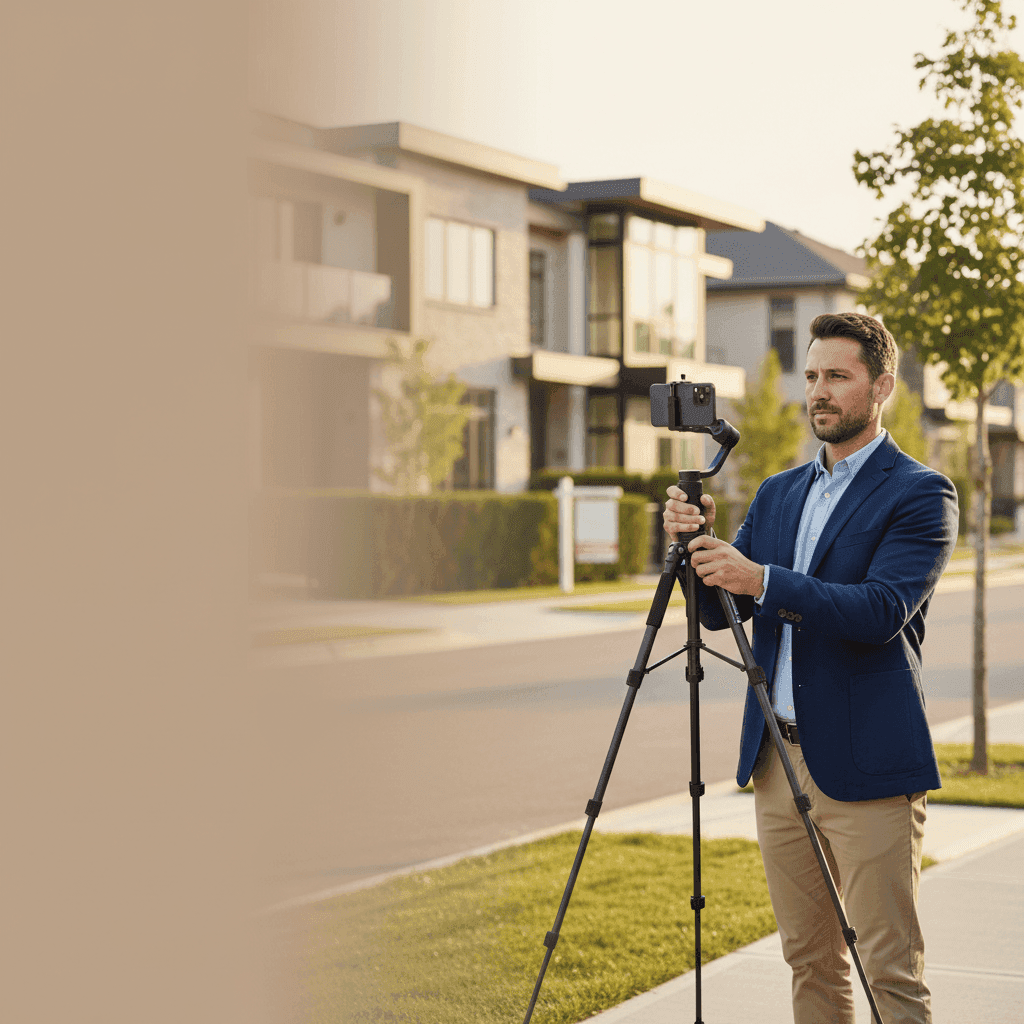
Your minimal viable kit includes a smartphone capable of 4K recording, a handheld gimbal for stabilization, a clip-on microphone for clear audio, and a neutral density filter for bright outdoor conditions. This setup costs under $300 total and produces content that rivals much more expensive productions.
Filming techniques matter more than equipment quality. Shoot in 4K vertical format if you're primarily targeting Instagram Reels, TikTok, or YouTube Shorts. Capture 5-7 seconds per clip to give yourself editing flexibility. Use leading lines like sidewalks or building edges to draw viewers' eyes through the frame, and incorporate parallax moves where you walk parallel to your subject for dynamic motion.
Your editing structure should follow a proven formula that keeps viewers engaged. Start with a cold open hook using your 2 strongest clips, add a brief title card establishing location and purpose, then organize clips by daypart sequences that flow naturally from morning through evening. End with a recap and clear call-to-action.
Sound and Music
Audio quality often determines whether viewers stay engaged or scroll past your content. Capture ambient sound at each location to provide authentic atmosphere. The gentle chatter of a coffee shop, birds in a park, or distant traffic creates immersion that silent footage cannot match.
Choose licensed music tracks that complement rather than overwhelm your ambient sound. Keep beats aligned to your cuts at the 0:00-0:03 mark for immediate engagement, 0:08-0:12 for your first transition, and 0:20-0:30 for your closing sequence.
Skip manual editing entirely by uploading your best neighborhood photos to Peachgum. Pick a cinematic effect and soundtrack, and auto-generate a short-form video in minutes. This approach works perfectly for teasers and quick market updates when you need content but lack time for full video production.
Sources:
No source provided.
Distribution Strategy: Instagram Reels, TikTok, and YouTube Shorts
Each platform has specific nuances that affect how your day in the life neighborhood videos perform and reach your target audience.
Instagram rewards location-based content through its algorithm and features. Leverage location tags for every spot you feature, collaborate with local businesses by tagging them and asking for shares, and use custom covers for your Reels that maintain grid aesthetics. Instagram users often save location-based content for future reference, so optimize for saves as much as immediate views.
TikTok favors native content creation and authentic community interaction. Use TikTok's built-in text overlay features rather than external editing, and consider stitching or duetting with local creators who've posted about the same neighborhood. TikTok's algorithm particularly rewards content that generates comments and responses.
YouTube Shorts requires different optimization focused on search discovery. Optimize your title and description with neighborhood name plus daypart keywords like "Downtown Phoenix Morning Routine" or "Family Day in Westside Austin." YouTube users often search for specific neighborhood information, so treat Shorts as discoverable content rather than just entertainment.
Your posting cadence should balance consistency with platform-specific timing. Post 2-3 short clips per week across all platforms, plus one longer-form cut monthly for YouTube's main feed. Time your posts near local peak activity periods: commute hours for transit-focused content, lunch time for restaurant features, and evening hours for entertainment and dining coverage.
Repurposing Day in the Life Real Estate Content
Maximize your production effort by repurposing longer cuts into multiple shorter pieces. A single day in the life shoot can become 3-5 YouTube Shorts, each focusing on a specific daypart or theme. Convert key clips into Instagram carousel posts with neighborhood statistics and details. Embed clips directly in listing pages and relocation drip email campaigns.
Export ready-to-post vertical videos with music and effects from Peachgum so you can publish to Instagram, TikTok, and YouTube Shorts without additional formatting work. This streamlined workflow ensures consistent posting across platforms without multiplying your production time.
Sources:
No source provided.
Pro Tips: Story Angles, Personas, and Local SEO
Successful day in the life neighborhood videos use compelling story angles that immediately connect with specific buyer personas. Instead of generic neighborhood tours, frame your content around relatable lifestyle scenarios.
Story angles that consistently resonate include "car-free living" for urban areas with strong transit, "dog-friendly day" for pet owners evaluating walkability and amenities, "kid-in-tow Saturday" for families researching school districts and family activities, and "quiet weeknight vibes" for buyers prioritizing peaceful residential areas over nightlife access.
Persona-based scripting ensures your content speaks directly to your ideal buyers. A remote worker cares about co-working spaces, reliable internet, and quiet daytime environments. A daily commuter prioritizes transit access, parking availability, and morning routine efficiency. Active retirees focus on walkability, healthcare proximity, and community engagement opportunities.
Tailor your shot selection and commentary to match these personas. The same park scene tells different stories depending on whether you emphasize the playground equipment, the walking paths, or the quiet benches with WiFi access.
Local SEO optimization amplifies your reach beyond social media platforms. Include neighborhood name plus city in all titles, captions, and on-site embeds. Add schema markup for video content when embedding on your blog or website. This technical optimization helps your content appear in local search results when buyers research specific neighborhoods.
Sources:
No source provided.
Metrics That Matter and How to Turn Views Into Conversations
Tracking the right metrics helps you understand which content drives actual business results versus vanity engagement. Focus on retention at the first 3 seconds, completion rate for full videos, saves and shares that indicate future intent, profile visits that suggest buyer interest, direct messages with specific questions, and link clicks to listing or neighborhood pages.
Early retention metrics tell you whether your hook and opening shots capture attention in a crowded feed. Completion rates indicate whether your story arc and pacing keep viewers engaged through your entire message. Saves and shares often correlate with serious buyer intent, especially for neighborhood content.
Profile visits and direct messages represent warmer leads than generic likes or comments. Track these metrics weekly to identify which neighborhoods and story angles generate the most serious inquiries.
Add lightweight calls-to-action that encourage direct response without seeming pushy. Try "DM 'MAP' for detailed commute times from this area" or "Comment 'LIST' for new listings in this neighborhood" or "Save this for your weekend house-hunting route." These specific CTAs help you identify serious prospects while providing immediate value.
From Content to Clients
Convert content engagement into client relationships through strategic nurturing. Build email and SMS lists by offering neighborhood video embeds as lead magnets. Create comprehensive relocation guides that include your video content alongside practical information like school ratings, utility setup guides, and local service recommendations.
When a new listing goes live in a featured neighborhood, pair your existing lifestyle content with a fresh property-specific video. Use Peachgum to create photo-to-video reels that showcase both the individual home and the surrounding community lifestyle. This approach is faster and more cost-effective than hiring a videographer for every listing while maintaining consistent quality.
Sources:
No source provided.
Common Pitfalls and Legal Considerations
Avoid common mistakes that can damage your credibility or create legal issues. Never over-promise on commute times or noise levels based on limited filming windows. A quiet Tuesday morning doesn't represent Friday evening traffic or weekend construction noise.
Don't film private property without explicit permission, even if it's visible from public streets. Avoid using copyrighted music in commercial content without proper licensing. Both issues can result in takedown requests or legal complications that damage your professional reputation.
Legal and ethical considerations require ongoing attention in real estate content creation. Ensure all neighborhood descriptions comply with fair housing regulations by avoiding steering language that suggests certain areas are better for specific demographic groups. Make transparent disclosures about any business relationships with featured establishments or developments.
Research and follow local filming ordinances, especially in downtown areas or neighborhoods with specific regulations about commercial photography. Some areas require permits for professional video production, even in public spaces.
Sources:
No source provided.
Quick Start Checklist
Ready to create your first day in the life neighborhood video? Follow this step-by-step checklist to ensure you capture everything you need for compelling content.
Define your target persona and plan a route that covers 45-60 minutes of real-time experience. Choose a specific character like "morning commuter" or "weekend family" rather than trying to appeal to everyone.
Draft your shot list organized by daypart and confirm any necessary permissions for filming on private property or interviewing local business owners. Check weather forecasts and plan your golden hour shots for optimal lighting.
Prep your minimal gear setup and ensure batteries are charged and memory cards are empty. Plan your filming day around local activity patterns - coffee shops at 8 AM, parks at lunch, restaurants at dinner time.
Capture 30-50 clips during your filming day, or take 20+ high-quality photos if you're planning to use Peachgum for post-production. More source material gives you better editing options and backup content for future posts.
Edit your footage into a 30-60 second short-form video optimized for vertical viewing. Write captions that include the neighborhood name, 3-5 relevant hashtags, and a clear call-to-action for engagement.
Publish your content and respond to comments within the first hour to boost initial engagement and algorithm visibility. Early interaction signals to platforms that your content is worth showing to more users.
Sources:
No source provided.
Frequently Asked Questions About Neighborhood Lifestyle Videos
How long should a day in the life neighborhood video be? For social media platforms, keep videos between 30-60 seconds for optimal engagement. Longer videos (2-3 minutes) work well for YouTube or website embedding, but short-form content performs better on Instagram, TikTok, and Facebook.
Do I need permission to film in public places? You can film in public spaces from public vantage points, but avoid identifying individuals without consent and respect any posted restrictions. Private businesses may require permission even if they're visible from public areas.
What if I can't film video content - can I still make this type of content with photos? Absolutely. Use Peachgum to transform neighborhood photos into engaging video content with music and transitions. This approach works especially well for seasonal content or quick market updates.
How often should I post neighborhood lifestyle videos? Aim for 2-3 short-form neighborhood videos per week, with one comprehensive day-in-the-life feature monthly. Consistency matters more than frequency, so choose a schedule you can maintain long-term.
How do I avoid fair housing issues in community content? Focus on amenities and lifestyle elements rather than demographic characteristics. Describe neighborhoods by features (walkable, quiet, near transit) rather than suggesting they're suitable for specific groups of people.
Sources:
No source provided.
Start Creating Neighborhood Stories That Convert Browsers Into Buyers
A day in the life neighborhood video transforms static property listings into compelling lifestyle stories that help buyers envision their future daily routine. This format builds trust by setting realistic expectations while differentiating your brand in a crowded market.
The key to success lies in authentic storytelling that captures real community rhythms rather than staged promotional content. Focus on genuine moments that matter to your target personas, whether that's the morning coffee rush for commuters or afternoon playground activity for families.
Start with one persona and one neighborhood this week. Follow the shot list and story arc outlined in this guide, and publish your first short-form video within seven days. The technical aspects matter less than consistent execution and authentic community representation.
Build your first ready-to-post neighborhood video in minutes with Peachgum. This approach offers a faster, more affordable alternative to hiring a videographer while maintaining the professional quality that builds buyer confidence and drives real estate success.