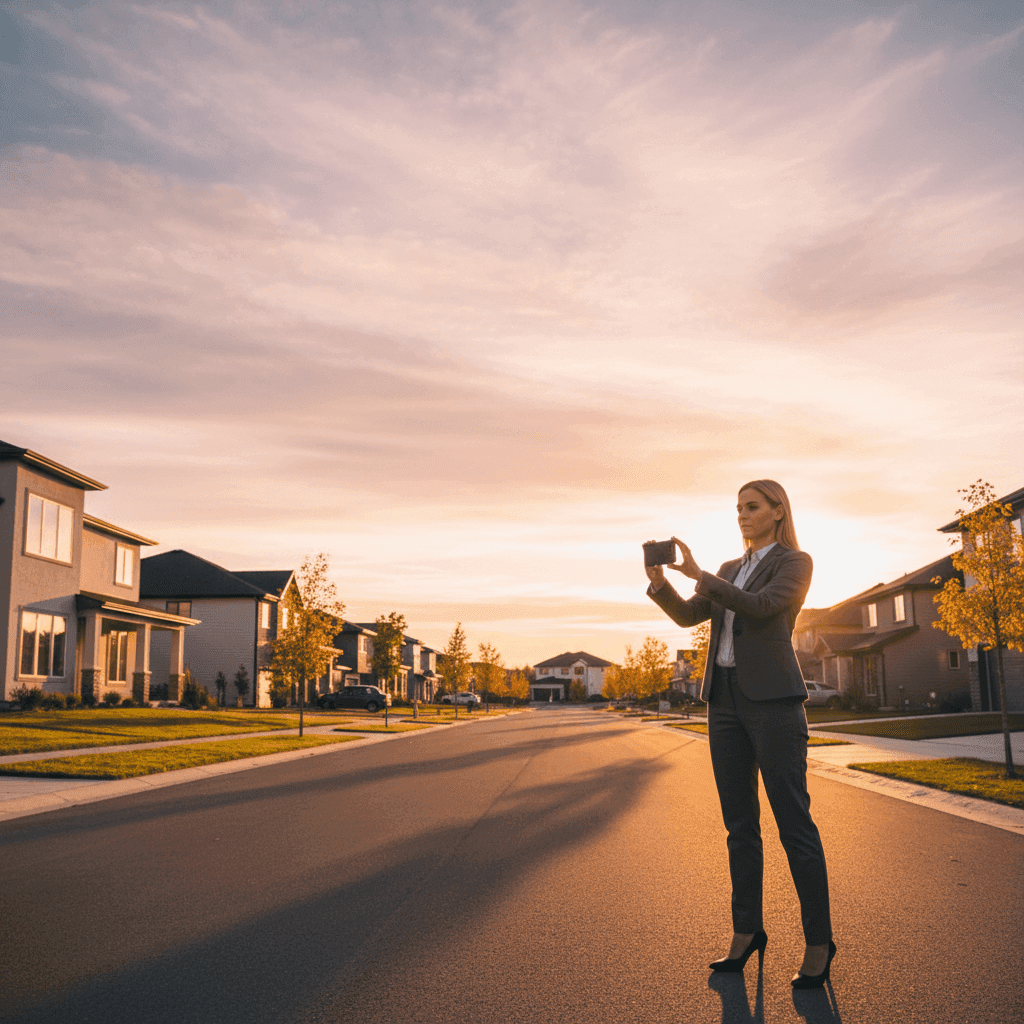
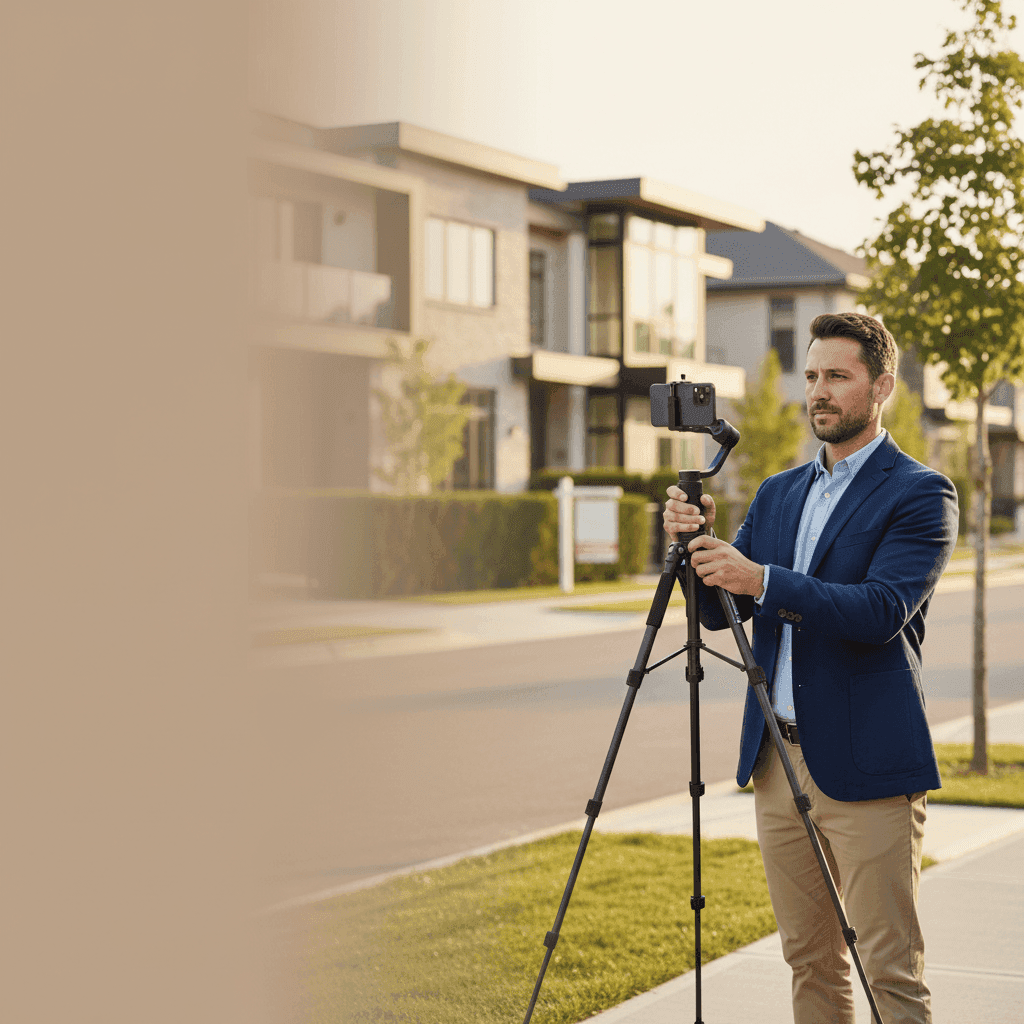
Hyperlocal Content Ideas Real Estate Pros Can Use Now


Mastering Hyperlocal Content Ideas Real Estate: Your Essential Guide
The agents winning on social today don't post more—they post smarter, with hyperlocal content that proves they know the block, not just the market.
Here's the problem: it's hard to consistently come up with local stories, stay compliant, and package content for Instagram, TikTok, and YouTube Shorts—especially when you're busy showing property. You know you need to be creating content that showcases your neighborhood expertise, but generic market updates and listing posts aren't cutting through the noise anymore.
This guide delivers field-tested hyperlocal content ideas real estate agents can deploy immediately, plus workflows, posting tactics, and examples that actually generate leads. You'll learn how to define and apply hyperlocal strategy, discover repeatable post prompts across neighborhoods, schools, and local businesses, master social distribution tactics including hashtags, tagging, and geo-targeting, avoid privacy pitfalls and content fatigue, and use tools to speed up creation and publishing.
The foundation of this approach centers on hyperlocal marketing, which targets potential customers in super-specific areas through mobile, location-based searches rather than broad geographic targeting.
Sources:
Hyperlocal Content Ideas Real Estate: What It Is and Why It Matters
What is Hyperlocal Content?
Hyperlocal content focuses on a few neighborhoods, condo buildings, or micro-communities like school zones and lifestyle clusters. Instead of creating generic city-wide content, you're drilling down to specific streets, local coffee shops, elementary school boundaries, and community gathering spots.
This approach involves targeting potential customers in super-specific areas using location-based searches on mobile devices. Your content types include neighborhood guides, event recaps, school spotlights, small-business features, and local market updates that speak directly to people considering a move to or within these precise areas.
The key difference is granularity. While traditional real estate marketing might target "Seattle homebuyers," hyperlocal content targets "Ballard dog owners near the farmers market" or "Queen Anne families within Lincoln Elementary boundaries."
Sources:
Why It Matters for Agents
Hyperlocal content differentiates you from portal content and generic updates that every agent in your city is posting. It attracts sellers and buyers through neighborhood-specific search and social discovery, positioning you as the local insider rather than just another licensed professional.
This marketing approach gives real estate agents a competitive advantage over generic methods by targeting ideal clients based on specific neighborhoods, home equity, interests, and home values beyond just basic location data. When someone searches "best coffee near Laurelhurst" or "dog parks in Montlake," your content can appear in their feed because you've consistently covered these hyperlocal topics.
The authority you build compounds over time. Each neighborhood post reinforces your expertise in that area, making you the obvious choice when someone in your micro-market is ready to buy or sell.
Sources:
Here's your quick-start checklist: Pick 2-3 micro-areas where you want to build authority. Define 3 audience segments per area like move-up sellers, first-time buyers, and downsizers. Map 5 content pillars per area covering features, schools, businesses, events, and market stats aligned to each segment's interests and timeline.
Generating Local Content Ideas Realtor Can Use This Week
Neighborhood Content Realtor: Features to Spotlight
Start with content prompts that showcase insider knowledge. Try "5 things you only know after living in [Neighborhood]" featuring hidden parking spots, the best dog-walking routes, or which grocery store has the shortest lines. Create "Where to buy groceries, coffee, and dog treats within a 10-minute walk in [Neighborhood]" posts that include photos and quick reviews.
Document real experiences with "Commute test: [Neighborhood] to [Major Employer] at 8:15 a.m.—real time" videos. Film the actual drive or transit ride, noting traffic patterns, parking availability, and total door-to-door time.
For execution, capture photo sets of streetscapes, parks, transit stops, main intersections, and skyline views. Pair these with 30-45 second short-form videos and captions covering walkability, neighborhood vibe, and price points. Include proof points like average days on market, list-to-sale price ratios, and median prices by property type.
Creating dedicated area pages as virtual tours helps establish your expertise. Cover walkability scores, nearby amenities, true cost of living, social scene, school ratings, restaurants, and parks with photo galleries, videos, sales data, testimonials, and local event links.
Sources:
School District Information
Education drives many relocation decisions, making school content highly valuable. Use prompts like "3 school zones that change buyer budgets in [City]" to highlight how attendance boundaries affect home prices. Create "Morning routine: walking from [Street] to [Elementary School]—is it safe and practical?" content that shows actual routes, crossing guards, and sidewalk conditions.
Cover practical details with "School calendar highlights: key enrollment dates buyers ask about" posts. Include registration deadlines, school supply drives, and parent information nights that new families need to know.
Map attendance boundaries visually, but always disclose your source and encourage verification with school districts since boundaries can change. Interview parents or PTA leaders when possible, getting proper permission and anonymizing sensitive information.
Document the walk or drive to school during actual morning hours. Show traffic patterns, school zone speed limits, and pickup/dropoff procedures that affect daily family life.
Local Business Highlights
Small business features build community connections while showcasing neighborhood character. Try "New-to-the-neighborhood: meet [Business]—what locals should try first" posts introducing recent openings. Create "Where locals actually go for [pizza, pilates, pet care] in [Neighborhood]" content that goes beyond obvious chains to highlight community favorites.
Develop "Owner Q&A: how [Business] serves [Neighborhood] residents" features that explore the business owner's community involvement and customer relationships.
Your B-roll and photo checklist should include storefront shots, interior scenes, staff in action, and best-selling items or services. Always secure permission for filming, tag the business in your posts, and share the content assets with owners for their own marketing use.
These business highlights tie into your comprehensive area content strategy, demonstrating deep neighborhood knowledge while building relationships with local entrepreneurs who can refer clients.
Sources:
Turn your neighborhood photo sets and storefront shots into polished, short-form videos in minutes with Peachgum to maintain a consistent posting cadence without hiring a videographer for every piece of content.
Nurturing Community: Community Post Ideas Agent Can Run Year-Round
Showcasing Community Events
Events provide consistent content opportunities while demonstrating your neighborhood involvement. Use prompts like "Weekend in [Neighborhood]: 3 things to do" for recurring weekend guides. Create "What to know before [Parade/Festival]: parking, restrooms, pet policy" posts that help residents and visitors prepare.
Document events with "Recap: 60 seconds inside [Farmer's Market/Concert]" videos that capture the atmosphere and highlight vendors or performers.
For execution, create a three-post sequence: pre-event logistics, live snippets during the event, and post-event recap with key takeaways. Tag event organizers and venues, include accessibility notes, and share practical details like recommended arrival times and weather contingencies.
Live posting during events builds immediate engagement, while recap content provides lasting value for people researching the neighborhood's social calendar.
Sharing Community Success Stories
Community improvement stories showcase neighborhood pride and trajectory. Try prompts like "How neighbors rallied to [improve park/crosswalk/library hours]" that document grassroots initiatives. Create "Before/after: a 1950s bungalow restoration on [Street Name]" posts celebrating home improvement projects that enhance the area.
Feature volunteer efforts with "Volunteer spotlight: meet the people improving [Neighborhood]" content that introduces community leaders and ongoing initiatives.
Always gather proper consent before featuring individuals, avoiding personally identifiable information like children's faces without explicit written permission. Focus on the positive impact, include compelling visuals, and explain how other residents can participate in future projects.
These stories connect back to your hyperlocal presence by demonstrating ongoing community investment and positive change that affects property values and quality of life.
Sources:
After events, drop your best photos into Peachgum to create cinematic 30-45 second recaps with music—perfect for Instagram Reels and TikTok while the community buzz is still fresh.
Leveraging Social Media with Local Social Media Ideas Real Estate
Local Hashtag Usage
Build a hashtag ladder that moves from specific to broad: neighborhood tags (#ChestnutHill, #FishtownEats), city tags (#PhillyHomes, #SeattleRealEstate), niche tags (#WalkableNeighborhoods, #SchoolDistricts), and event tags (#RittenhouseFarmersMarket, #CapitolHillBlockParty).
Track which tags drive reach, saves, and profile visits from your target areas. Rotate hashtag sets regularly to avoid spam detection algorithms that can limit your content's visibility.
Mix popular tags with less competitive, neighborhood-specific ones. While #RealEstate has millions of posts, #LaurelhursSeattle might have hundreds, giving you better chance of discovery by truly local audiences.
Location Tagging and Geo-targeting
Always geotag specific venues, intersections, or parks rather than just the city name. Tag "Volunteer Park Conservatory" instead of "Seattle" to reach people actually interested in that neighborhood.
Geo-targeting and geo-fencing deliver digital ads to users in specific geographic areas on Google and social media platforms. Optimize for local searches by using neighborhood keywords in your captions and Google Business profile, pairing organic content with geographic ad audiences around key points of interest.
Set up location-based ad audiences around coffee shops, gyms, schools, and community centers where your ideal clients spend time. This amplifies your organic content's reach to people already in your target neighborhoods.
Sources:
Engaging Locally on Social Media
Create hyperlocal social media content by tagging locations, sharing local market updates, highlighting community events, and choosing platforms based on where your neighborhood audience is most active. Join existing Facebook Groups for your target areas, or create your own if none exist.
Contribute weekly value to these groups through market recaps, event guides, and neighborhood resources rather than direct promotion. Consider maintaining a separate community-focused social media channel when your main business profile is listing-heavy.
Focus on building relationships with local business owners, community leaders, and residents who can become referral sources. Engage genuinely with their content before expecting them to engage with yours.
Sources:
For posting cadence, aim for 3-5 short-form videos per week per micro-area, plus 1 static carousel and 1 Story set. Mix your content: 40% neighborhood features, 25% local businesses, 20% community events, and 15% market statistics.
If you already have listing and neighborhood photos, export ready-to-post vertical videos for Instagram, TikTok, and YouTube Shorts using Peachgum—choose a visual effect and soundtrack, and you're live in minutes.
Common Obstacles to Hyperlocal Content Ideas Real Estate (and how to fix them)
Tackling Privacy Concerns
Avoid publishing exact addresses when featuring residents in your content. Blur house numbers and license plates, and use wide shots at public events rather than close-ups of private property. Get written consent for interviews and interior home features, being extra cautious with content involving minors.
Keep "day-in-the-life" content focused on public spaces like parks, main streets, and community centers unless you have explicit permission from property owners.
Align your targeting to interest-based micro-audiences rather than exposing sensitive personal details. Focus on neighborhood characteristics and community amenities rather than individual resident information.
Sources:
Avoiding Over-Saturation
Rotate content themes weekly to prevent your audience from getting bored. Cap Instagram Stories at 5-7 frames per post, and avoid posting identical content across different micro-areas—customize details for each neighborhood.
Consider using a dedicated community channel if your main business profile is heavily focused on listings and transactions. This prevents existing clients from feeling overwhelmed by constant new neighborhood content.
Batch-create visual content monthly during dedicated shooting sessions. Schedule 70% of your posts in advance, leaving 30% flexibility for timely, responsive content about breaking news or unexpected events.
Sources:
Maintain consistency without burning out by turning existing photo sets into short-form videos with Peachgum instead of booking a videographer for every single post.
Templates, Prompts, and Mini-Calendars for Neighborhood Content Realtor Execution
Here's your 10-day starter calendar you can copy and paste:
Day 1: "Why people move to [Neighborhood]" - Create a video with caption bullets highlighting top 3 reasons
Day 2: Commute test - Film actual AM/PM drive times to major employers
Day 3: Business highlight - Q&A format with local owner
Day 4: Micro-market update - Share median price and days on market data
Day 5: Park/playground tour - Walking video with family-friendly details
Day 6: School zone explainer - Map boundaries and highlight key school info
Day 7: Weekend guide - 3 local activities with logistics
Day 8: "3 things first-time buyers should know about [Neighborhood]"
Day 9: "Where locals walk their dogs" - Map overlay with park locations
Day 10: Event recap or neighbor spotlight - Community connection content
For each post type, include clear calls-to-action. Ask viewers to save posts about school zones, share weekend guides with friends, comment with their own neighborhood tips, or download detailed buyer guides you've created.
Your asset checklist should include street photography, retail row shots, green spaces, neighborhood signage, and transit stops. For B-roll video, capture pan shots, walking point-of-view footage, and time-lapse content of busy intersections during different times of day.
Structure content based on comprehensive neighborhood coverage to establish your expertise in each target area.
Sources:
Measurement and Iteration for Local Social Media Ideas Real Estate
Track key performance indicators that matter for local engagement: saves, shares, and profile actions from users in your target zip codes. Monitor watch time on YouTube Shorts and Instagram Reels, especially completion rates on your 30-45 second neighborhood videos.
Pay attention to inbound direct messages that cite specific neighborhoods, schools, or local businesses you've featured. These indicate your content is reaching serious prospects who are actively researching your area.
Optimize your content for local search and platform discovery through geo-targeting and neighborhood keywords in captions, profiles, and hashtags.
Sources:
Run a monthly iteration loop: identify your top 3 posts by local engagement and create follow-up content on those themes. Expand winning content ideas to adjacent micro-areas with customized details. Refresh your hashtag sets and geotags based on performance data.
Establish a sustainable workflow by batch-shooting content one morning per target area. Script 5 different hooks for each shoot, then edit and schedule your content in advance while leaving room for timely posts about breaking neighborhood news or events.
Repurpose your best-performing content into Instagram Stories and monthly email roundups for past clients who want to stay connected to their former neighborhoods.
Start Building Your Hyperlocal Content Strategy Today
Hyperlocal marketing means targeting neighborhood-level areas with content that captures on-the-ground details and community nuance rather than broad market generalizations. Your competitive edge comes from segmenting audiences and speaking directly to their specific needs, whether they're researching school districts, evaluating commute times, or discovering local businesses.
Sources:
Focus on a few micro-areas where you want to build authority. Run consistent content pillars around neighborhoods, schools, and local businesses. Package your posts for short-form video platforms, and measure what locals actually save and share rather than vanity metrics.
Block out a 2-hour content creation walk this week in one of your target neighborhoods. Line up your 10-day content calendar per area, and start building the photo and video assets you'll need for consistent posting.
If you've got photos sitting on your camera roll from recent showings or neighborhood walks, you already have the foundation for compelling video content. Drop them into Peachgum and publish your first hyperlocal content series today.