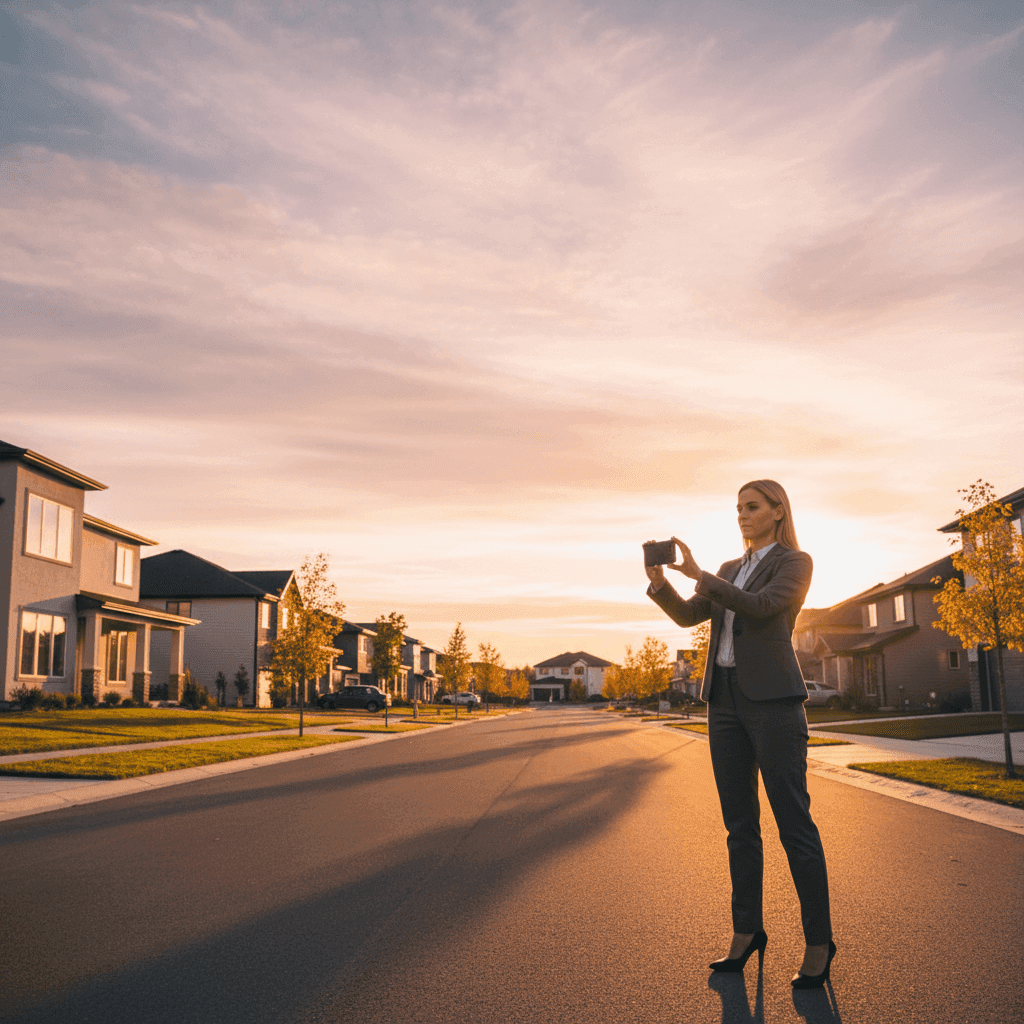
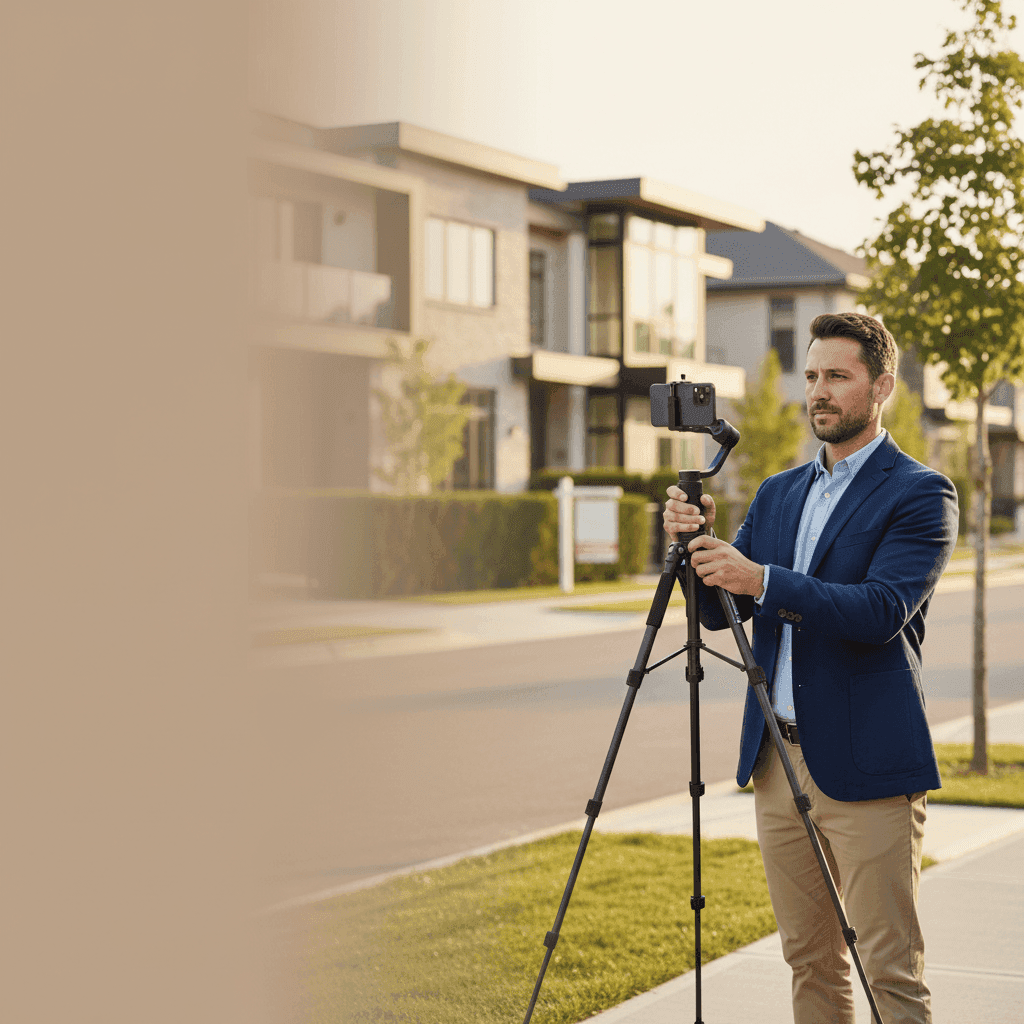
Neighborhood Tour Video Real Estate Guide That Converts

Neighborhood Tour Video Real Estate: How to Plan, Film, and Rank Community Content That Wins Listings
If you want to be the agent homeowners remember, show them you know the neighborhood better than anyone—on video.
Most agents know they should be creating video content, but they get stuck on what to shoot, how to make it engaging, and how to get it seen by potential clients. Meanwhile, your competitors are already establishing themselves as local experts through compelling neighborhood tour video real estate content.
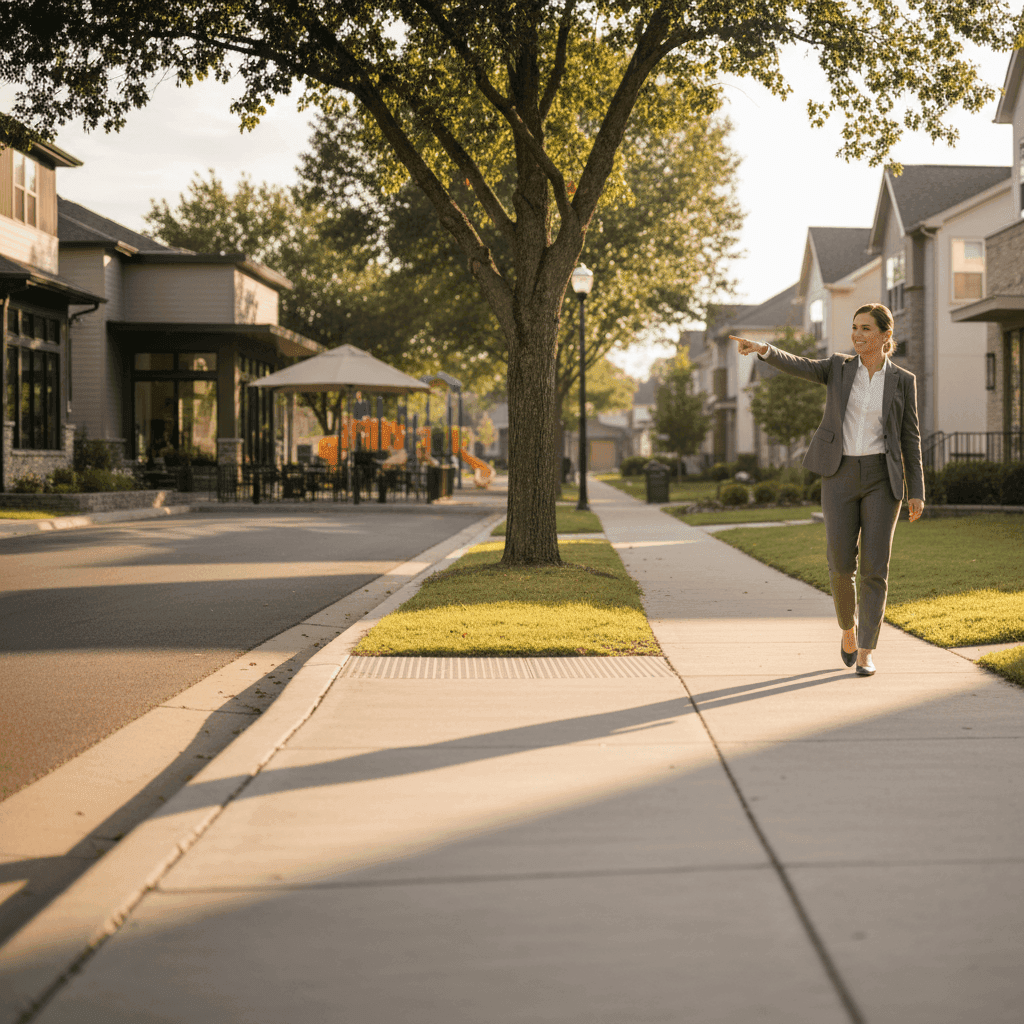
Here's why this matters: 73% of homeowners are more likely to list with agents who offer video services. Neighborhood tours serve a dual purpose, acting as lead converters by letting viewers experience your personality and local expertise firsthand. When relocating buyers can see you walking through parks, pointing out school zones, and sharing insider knowledge about commute times, they begin to trust you before they ever meet you.
In this guide, you'll learn a step-by-step plan to create neighborhood tour video real estate content that positions you as the go-to local expert. We'll cover how to film neighborhood tour content that engages viewers, optimize it for search engines, and scale your production without hiring expensive videographers. For agents looking to streamline their video creation process, Peachgum offers a faster, cheaper alternative to videographers for creating short-form listing and neighborhood videos in minutes.
Sources:
Why Neighborhood Tour Video Real Estate Works
Neighborhood tour videos function as trust engines and list-winning assets that separate you from agents who only focus on individual properties. When you consistently showcase your deep knowledge of local communities, you position yourself as the obvious choice for both buyers and sellers in those areas.
Research shows that tours establish agents as local experts and demonstrate market knowledge depth in ways that static content simply cannot match. When potential clients see you explaining which streets flood during heavy rain, which coffee shop has the best WiFi for remote workers, or which playground equipment was just updated, they recognize genuine local expertise.
These videos also help buyers make more informed decisions by showing parks, schools, and amenities that matter to their lifestyle. A family relocating from another state can watch your tour of the elementary school pickup area and immediately understand if the logistics work for their daily routine. This visual context reduces uncertainty and builds confidence in both the neighborhood and your guidance.
Use neighborhood tours strategically across multiple touchpoints: pre-listing presentations to show sellers your marketing approach, social media content to attract relocating buyers, email nurture sequences for leads who aren't ready to move immediately, relocation funnels for out-of-state referrals, and follow-ups after open houses to keep your name top-of-mind.
Sources:
Film Neighborhood Tour: An Effective Marketing Strategy
A successful film neighborhood tour is a concise, story-driven walkthrough of a community's highlights, commute options, amenities, and overall housing vibe. Unlike property-specific videos, these tours focus on lifestyle and community character, answering the questions buyers ask before they ever schedule showings.
Structure your tours using one of three approaches: route-based (starting on main street and ending at the best parks), theme-based (best coffee shops, dog-friendly spots, or family amenities), or buyer-profile-based (content tailored for downsizers, first-time buyers, or luxury purchasers).
Consider these case-style examples for your own content: "Live on Main" series featuring stops at three local businesses that define the neighborhood's character, or "Commute + Coffee" 60-second shorts that show drive times to downtown paired with the best caffeine stops along the way. These formats give viewers practical information while showcasing your personality and local connections.
The research confirms that establishing local expertise builds authority and confidence in clients, while visual tours of amenities help buyers make faster, more confident decisions. When you film neighborhood tour content consistently, you create a library of expertise that works for you around the clock.
For agents without time to learn complex editing software, Peachgum can turn photos of local highlights into cinematic short-form videos quickly. This means you can create professional-looking neighborhood content without spending hours in editing software or hiring expensive videographers.
Sources:
The Role of a Local Area Video Realtor
A local area video realtor is an agent who consistently creates on-camera community content to build a recognizable local brand. Instead of being just another agent with listings, you become the person buyers and sellers associate with insider neighborhood knowledge.
The benefits of this positioning include inbound listing opportunities from sellers who see your content and think, "This agent really knows our area," higher seller trust during listing presentations because you've already demonstrated market knowledge, and clear differentiation with the "my agent knows this town" factor that referrals love to mention.
Take a practical approach to building this reputation: script lightly with just bullet points rather than word-for-word scripts, film weekly to build momentum and improve your on-camera presence, repurpose longer content as Instagram Reels and YouTube Shorts for maximum reach, and embed videos on your website's neighborhood pages to boost your SEO.
Focus your camera time on content that buyers actually want to see: small business spotlights that show neighborhood character, school zone boundaries and pickup procedures, popular trailheads and park amenities, HOA facilities like pools and clubhouses, realistic commute times during rush hour, and seasonal events that bring the community together.
This consistent presence establishes you as the local area video realtor that other agents aren't willing to become, creating a significant competitive advantage in your market.
Sources:
No source provided.
Optimizing Neighborhood Tour Video Real Estate for SEO
Your goal is making videos discoverable on YouTube, Google, and social search platforms while improving watch time and conversions. The right optimization strategy ensures your neighborhood expertise reaches relocating buyers actively searching for area information, not just your existing social media followers.
Research shows that effective neighborhood tours follow a 5-part framework: hook viewers with unique neighborhood features, provide specific location details and boundaries, showcase key amenities and lifestyle elements, share insights about housing stock and pricing trends, then close with a clear call-to-action for engagement. This structure keeps viewers watching while delivering the information they need to make decisions.
Visual storytelling elevates your tours beyond simple talking-head content. B-roll footage of local highlights and drone shots provide lifestyle context that static articles or photos cannot match. When viewers see the tree-lined streets, busy farmers market, or mountain views from the elementary school, they begin to envision their life in that community.
Sources:
Starting with a Captivating Neighborhood Walkthrough Video
Pre-production research sets the foundation for engaging content. Investigate the most-asked questions about schools (enrollment processes, boundary maps, test scores), safety (crime statistics, neighborhood watch programs), HOA requirements (fees, restrictions, amenities), commute options (traffic patterns, public transit, bike paths), and price points (recent sales, price per square foot trends, value appreciation).
Plan your route strategically with 4-6 stops maximum. Keep neighborhood walkthrough video content to 60-120 seconds for short-form platforms or 3-6 minutes for YouTube's longer format. This constraint forces you to highlight only the most compelling features while maintaining viewer attention.
Your filming checklist should include a hook in the first 3-5 seconds with a unique promise like "3 things locals love about Oak Park that most people never discover." Capture steady A-roll footage with walking shots and on-camera introductions, then gather B-roll of neighborhood signs, park equipment, local coffee shops, crosswalks, and skyline views. If you have access to a drone, include an establishing shot that shows the neighborhood's layout and relationship to major landmarks.
Close every video with a specific call-to-action: "Comment your budget and timeline below for a custom list of homes in this price range" or "DM me 'Oak Park' for the insider's guide to buying here." This drives engagement and captures leads directly from your content.
The 5-part structure and compelling visual elements significantly improve viewer engagement and watch time, making your content more likely to appear in search results and social feeds.
If you only have photos from a recent neighborhood visit or listing shoot, Peachgum can transform them into short-form, cinematic videos complete with effects and soundtracks. This approach is ideal for creating polished neighborhood walkthrough video content when you can't film on location.
Sources:
Community Tour Video SEO: Best Practices for YouTube and Google
Your keyword strategy should target terms that relocating buyers actually search for. Primary keywords include "[City/Neighborhood] tour," "[Neighborhood] pros and cons," and "[Neighborhood] amenities." Include valuable modifiers like "2026 update," "cost of living," and "commute to [downtown area or major employer]" to capture more specific search intent.
Optimize each video with a title formula that works: "Neighborhood Tour: [Area] — Amenities, Prices, Commute (2026)." Write descriptions between 150-300 words that naturally include your keywords, add timestamps for key sections, include your contact information, and link to related neighborhood guides on your website. Use tags for neighborhoods, city names, and relevant property types.
Create thumbnails that combine your face with bold text and a recognizable local backdrop. This combination builds personal brand recognition while clearly indicating the video's content and location focus.
YouTube and social signals matter for discovery. Hook viewers within 3 seconds, include a strong pattern break around the midpoint to maintain attention, and add an explicit call-to-action at the 90-second mark. Use end screens to direct viewers to related neighborhood tours and organize videos into playlists by city quadrant or buyer profile.
For web embedding optimization, create a unique page for each neighborhood featuring 300-700 words of supporting text, an embedded map, and your video. Internal link these neighborhood pages together and to your main relocation hub page. This structure helps search engines understand your local expertise while providing value to website visitors.
Cross-post strategically on social platforms by repurposing your longer content as Instagram Reels and YouTube Shorts. Add native captions and on-screen chapter titles for each platform's specific audience expectations. This community tour video SEO approach maximizes your content's reach across multiple search ecosystems.
Peachgum exports vertical, ready-to-post shorts optimized for Instagram, TikTok, and YouTube Shorts, ensuring consistent formatting across platforms without manual editing work. This consistency helps build your brand recognition while feeding each platform's algorithm preferences.
Sources:
No source provided.
Scale Your Neighborhood Tour Video Real Estate Strategy
The objective of scaling is maintaining content quality while increasing both volume and publishing cadence. Rather than creating one perfect video every few months, aim for consistent weekly publishing that builds momentum and improves your skills over time.
Research indicates that publishing one tour per week helps build confidence, learn from production mistakes, and maintain consistent improvement in your on-camera presence and content quality. This frequency also keeps your brand visible to audiences across multiple platforms without overwhelming your schedule.
Sources:
Keeping Your Content Fresh
Establish a sustainable cadence with weekly neighborhood or micro-area series, such as "3-minute Mondays" that focus on quick community highlights. This consistency helps viewers know when to expect new content while giving you a regular publishing schedule to maintain.
Rotate through different angles and themes to avoid repetitive content. Create seasonal variations like summer pools and splash pads or winter holiday lighting displays. Develop buyer profile series such as "Best neighborhoods for first-time buyers under $400K" or "Luxury communities with the best amenities." Film commute-focused content like "15 minutes to downtown: 3 neighborhood options" that helps relocating professionals make practical decisions.
Don't forget lifestyle-focused tours highlighting dog-friendly parks, coffee shop crawls, or weekend farmers markets. These topics appeal to specific buyer interests while showcasing your community knowledge beyond just housing statistics.
Maintain a refresh schedule by revisiting your most popular neighborhood tours every 6-12 months with updated information about new businesses, completed construction projects, or changed market conditions. This approach keeps your content library current while capitalizing on previously successful topics.
Batch-create multiple pieces of content from single filming sessions or photo collections. Peachgum allows you to generate several different short videos from one set of neighborhood photos, helping maintain your weekly publishing pipeline with minimal additional time investment.
Sources:
No source provided.
Measuring Your Video's Impact
Track platform-specific metrics that indicate content performance and audience engagement. On YouTube, monitor click-through rates, average view duration, traffic sources, and end-screen click-through rates to understand which topics resonate most with viewers. For Instagram and TikTok, focus on watch time, shares, saves, and profile visits that indicate genuine interest beyond passive scrolling.
Implement funnel metrics that connect video views to business results. Use UTM-tagged links in video descriptions and social media bios to track traffic to your website. Set up lead capture mechanisms on embedded neighborhood pages, such as relocation quizzes or custom home list signup forms. Most importantly, track appointments scheduled, purchase agreements signed, and gross commission income influenced by your video marketing efforts.
Create an iteration loop based on your analytics. Double down on topics and formats with above-average watch time and save rates. Test new hooks, opening frames, and title variations monthly to optimize performance. This data-driven approach helps you focus your limited time on content types that actually generate business results.
Use platform analytics, URL shorteners with UTM tracking, and CRM notes that tie video touchpoints to lead progression. This comprehensive tracking system helps you understand which neighborhood tour video real estate content drives the most valuable client relationships.
Sources:
No source provided.
Why Now Is the Right Time to Start Using Neighborhood Video Content
Neighborhood tour videos help you demonstrate expertise, connect with relocating clients, and convert leads more effectively than text-based marketing alone. The research reinforces this opportunity: 73% of sellers prefer listing with agents who use video, creating a clear competitive advantage for agents who embrace this marketing approach consistently.
Your personality-forward neighborhood content converts viewers into clients by showcasing both lifestyle benefits and the trust factor that comes from working with a knowledgeable local expert. When buyers can see you explaining school boundaries, pointing out the best parking spots, or sharing which restaurants deliver to certain areas, they begin to trust your guidance before scheduling their first consultation.
Take action this week by selecting one neighborhood where you have recent sales or active listings. Outline a 5-stop route that includes practical information buyers need, such as commute routes, grocery options, and recreational amenities. Film your content or gather photos of key locations, then publish on YouTube and create shorter versions for Instagram Reels and TikTok.
Embed your finished video on a dedicated neighborhood page on your website, promote it across your social media channels, and include it in email follow-ups with potential relocating buyers. This multi-platform approach maximizes your content's reach while establishing you as the neighborhood expert in your market.
Try Peachgum to turn your photos into cinematic, ready-to-post shorts in minutes. This tool helps you maintain a weekly publishing cadence without learning complex editing software or hiring expensive videographers, making consistent neighborhood video marketing accessible and sustainable for busy agents.
Sources: