Real Estate Photography Gear Essentials Guide for Pros

Real Estate Photography Gear: The Practical Kit That Grows Your Business
Great homes get overlooked every day because the photos don't do them justice. The right real estate photography gear turns spaces into scroll-stoppers that drive showings and help you win the next listing.
Many agents and small teams overspend on the wrong tools or underestimate what's required for crisp, bright, distortion-free images. You end up with either an expensive collection of gear you don't need or photos that make million-dollar properties look like they're worth half that.
In this guide, you'll learn how to choose and prioritize real estate photography gear, assemble a practical RE photography kit by budget, and use it for better results without wasting money. Whether you're shooting your own listings or building a photography service, this roadmap will help you invest wisely and see immediate results.
Understanding Real Estate Photography
Real estate photography differs significantly from general photography. You're working in tight interior spaces with mixed lighting conditions. Natural light streams through windows while tungsten bulbs create warm pockets in corners. The goal isn't artistic expression but clear, accurate representation that makes spaces feel bright and inviting.
Wide-angle coverage becomes essential when shooting interiors. Most real estate photographers work in the 14-35mm range (full-frame equivalent) to capture entire rooms without backing into walls. This focal range helps you show the flow between spaces and make rooms appear larger and more open.
Professional images directly support business growth. Clear, bright photos showcase properties effectively and create a consistent brand look across all your listings. When every photo meets professional standards, potential clients notice the difference and trust you to market their most valuable asset properly.
Importance of Investing in the Best Real Estate Photography Gear
Stepping up to professional-grade cameras and lenses delivers measurable improvements in image quality. Higher resolution sensors capture fine details that matter when buyers zoom in on photos online. Better low-light performance means cleaner images in challenging conditions without grainy noise.
Color accuracy becomes crucial when representing properties honestly. Professional cameras maintain consistent color rendering across different lighting conditions, so hardwood floors look the same warm tone in every shot and white walls don't shift between blue and yellow.
The Canon EOS 5D Mark IV's 30.4-megapixel sensor and excellent low-light performance exemplifies these benefits, helping photographers capture detailed interior images even in challenging mixed-lighting scenarios.
Sources:
Essential Real Estate Photography Gear
A solid real estate photography setup requires five key components: a capable camera body, wide-angle lens, sturdy tripod, reliable flash, and optionally a drone for exterior and aerial context shots.
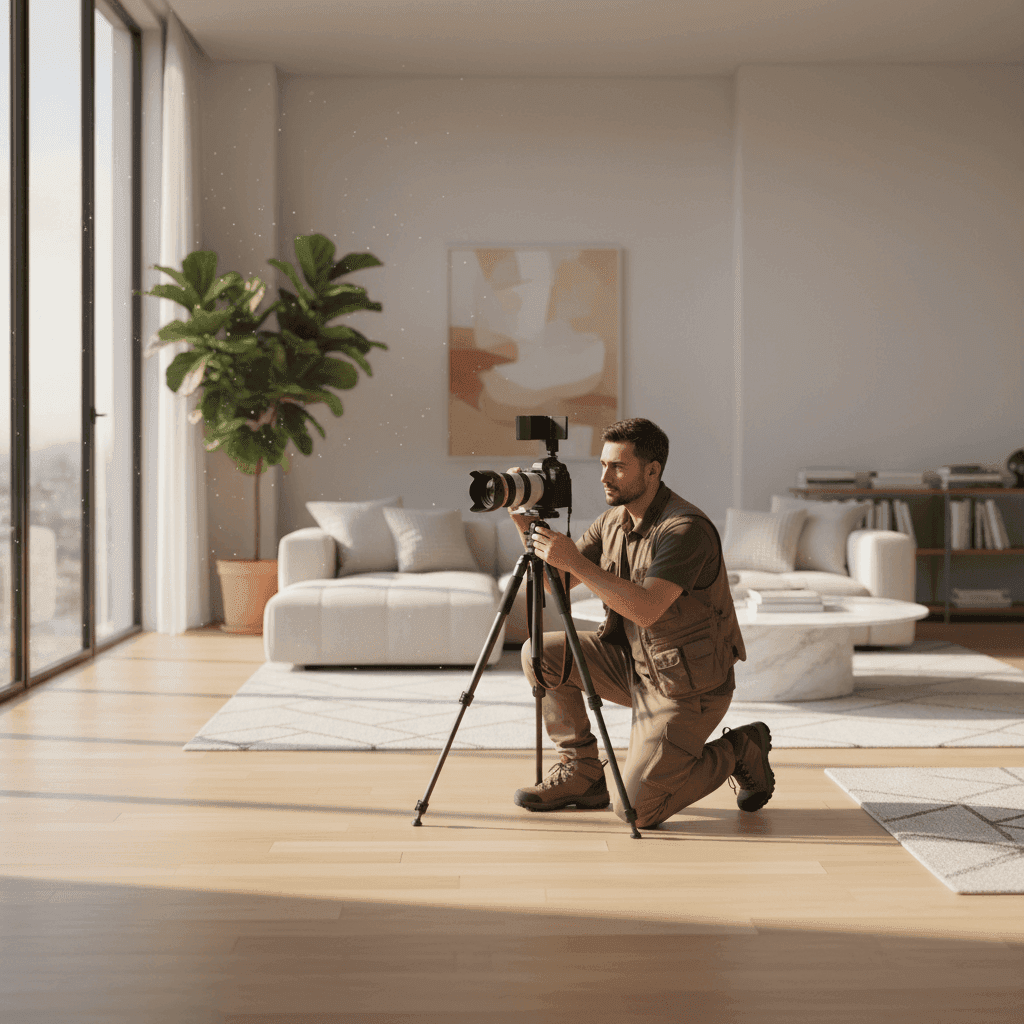
Each piece serves a specific purpose in creating professional results. The camera provides the sensor and controls you need for consistent exposure. The wide-angle lens captures entire rooms in single frames. A tripod ensures sharp images at low ISO settings and enables bracketed exposures for HDR processing.
Flash gives you control over mixed lighting situations, while a drone adds valuable exterior perspectives that help buyers understand property layout and neighborhood context.
Best Camera for Real Estate Photography
Look for cameras with strong dynamic range to handle bright windows and dark corners in the same frame. Clean high-ISO performance helps when working in dim interiors. Reliable autofocus and exposure bracketing features streamline your workflow during shoots.
The Sony A7V paired with a 16-35mm GM II lens stands out for photographers who want hybrid capabilities, offering 4K 60fps video alongside excellent stills performance. This combination works well if you're planning to add video services to your offerings.
For photographers focused purely on stills, the Canon EOS 5D Mark IV delivers outstanding 30.4-megapixel image quality with exceptional low-light performance. This combination proves ideal for capturing detailed interior images that showcase properties effectively.
Sources:
Inside Real Estate Photography
The Ideal Lens for Real Estate Photography
Wide-angle zoom lenses in the 14-35mm range (full-frame equivalent) form the backbone of most real estate photography kits. Look for lenses with low distortion, sharp corner performance, and minimal chromatic aberration to maintain straight lines and accurate colors.
The Sony 16-35mm f/2.8 GM II represents the current gold standard for real estate work. It's smaller and lighter than its predecessor while offering improved optical performance across the zoom range. The constant f/2.8 aperture provides consistent exposure and depth of field control.
For photographers who need even wider coverage in tight spaces, the Sigma 14-24mm f/2.8 has earned recognition as a favorite ultra-wide lens for real estate photography setups. The 14mm focal length captures more of small rooms while maintaining relatively low distortion.
Sources:
Inside Real Estate Photography
Other Necessary Real Estate Photography Equipment
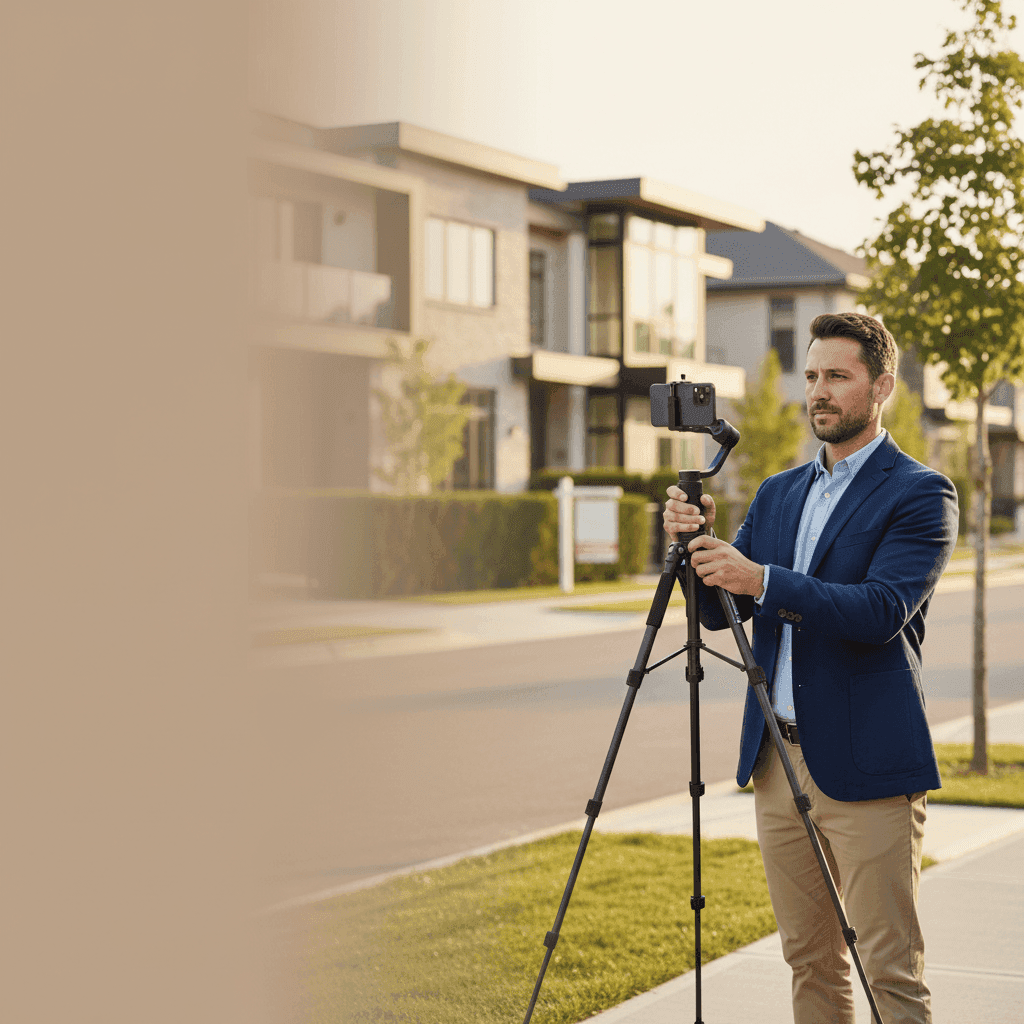
A stable tripod enables sharp images at base ISO settings and precise compositions. Look for models with sturdy legs and solid heads that won't drift during bracketed exposures. Carbon fiber options reduce weight for easier transport between properties.
Flash control becomes essential for managing mixed lighting conditions. The Yongnuo YN560 IV provides powerful, versatile lighting with 24-105mm zoom coverage and fast 3-second recycling times. This combination allows you to light large spaces effectively while maintaining natural-looking results.
Circular polarizing filters help control reflections on windows, glossy cabinets, and other reflective surfaces. This simple addition can eliminate distracting glare and improve overall image quality.
For exterior and aerial shots, the DJI Mavic 4 Pro Fly More Combo offers improved telephoto cameras, D-Log recording across all lenses, and excellent battery life. These features enable varied aerial compositions and extended shooting sessions without interruption.
If you're not ready to shoot video, convert your photo sets into cinematic short-form videos with Peachgum - a faster, cheaper alternative to hiring a videographer.
Sources:
Inside Real Estate Photography
Crafting Your Real Estate Photography Gear Kit
Building an effective RE photography kit requires balancing essential functionality with budget constraints. Start with the core components that deliver the biggest impact on image quality, then expand your capabilities over time as your business grows.
The key lies in choosing versatile pieces that work well together rather than accumulating specialized tools you'll rarely use. A well-chosen camera and lens combination, paired with solid support and lighting, produces professional results that justify the investment through improved listings and client satisfaction.
Prioritizing Essential Gear
Invest first in a high-quality wide-angle zoom lens and sturdy tripod. These two items have the greatest impact on image quality and consistency. A sharp 16-35mm or 14-24mm lens captures rooms effectively while a solid tripod ensures every shot is razor-sharp.
Add lighting capability next with a reliable flash like the Yongnuo YN560 IV. This allows you to balance interior lighting and fill shadows for more appealing images. The ability to control light separates professional results from snapshot-quality photos.
Upgrade your camera body last if you're already achieving proper exposure and focus. Many photographers produce excellent real estate images with entry-level bodies paired with professional lenses. The lens contributes more to final image quality than the camera in most real estate scenarios.
Stretch your budget by skipping video gear early - use Peachgum to turn your listing photos into ready-to-post Reels, TikToks, and Shorts in minutes.
Sources:
Inside Real Estate Photography
Expanding Your Kit Over Time
Add a drone when you regularly photograph larger properties, acreage, or waterfront homes. The DJI Mavic 4 Pro's camera improvements and extended battery life make it worthwhile for photographers who can utilize aerial perspectives effectively.
Consider specialty lenses like ultra-wide options (14-24mm) when you frequently encounter extremely tight interior spaces. These lenses capture more of small rooms but require careful technique to avoid excessive distortion.
Upgrade to hybrid-capable camera bodies like the Sony A7V when clients start requesting video content. The 4K 60fps capability opens new revenue streams while maintaining excellent still image quality for traditional real estate photography.
Sources:
Inside Real Estate Photography
Maximizing Your Real Estate Photography Gear
Getting the most from your equipment requires understanding how to use each piece effectively. Proper technique amplifies the advantages of quality gear while poor technique can make expensive equipment produce mediocre results.
Develop consistent workflows that take advantage of your camera's bracketing features, your lens's sweet spot for sharpness, and your flash's power settings. Standardizing your approach increases efficiency and ensures consistent quality across all your listings.
Camera and Lens Techniques
Use your camera's base ISO setting (typically ISO 100) whenever possible for maximum image quality. The tripod makes this feasible even in dim interiors. Enable automatic exposure bracketing to capture multiple exposures for HDR processing.
Keep vertical lines straight using your camera's built-in grid or electronic level. Tilted horizons and leaning walls look unprofessional and suggest careless work. Most real estate photography benefits from shooting between 16-24mm for room overviews and 24-35mm for detail shots.
Stop down your lens slightly from its maximum aperture for optimal corner-to-corner sharpness. Many lenses perform best at f/8-f/11, providing sufficient depth of field for interior scenes while maintaining peak optical performance.
Sources:
Inside Real Estate Photography
Advanced Techniques
HDR processing helps balance bright windows with darker interior areas. Use your camera's bracketing feature to capture multiple exposures, then blend them in post-processing for natural-looking results that show detail throughout the dynamic range.
Flash-ambient blending creates more natural lighting than pure flash or available light alone. Use your speedlight like the YN560 IV to fill shadows while preserving the natural color and direction of existing light sources.
When using drone equipment, plan your shots for maximum impact. The Mavic 4 Pro's improved telephoto cameras enable varied compositions from different distances, helping you capture both property overviews and detailed architectural features.
After every shoot, drop your edited photos into Peachgum to auto-generate cinematic, music-backed vertical videos ready for Instagram, TikTok, and YouTube Shorts.
Sources:
Inside Real Estate Photography
Common Questions About Real Estate Photography Equipment
Do I need a full-frame camera for real estate photography?
Full-frame cameras offer advantages in low-light performance and provide true focal lengths for wide-angle lenses. However, APS-C cameras can produce excellent results with appropriate lens choices. The Canon EOS 5D Mark IV's low-light capabilities exemplify full-frame benefits, but don't let camera format prevent you from starting with quality glass.
What focal lengths work best for real estate?
Most real estate photography happens between 14-35mm (full-frame equivalent). Ultra-wide lenses like the Sigma 14-24mm capture tight interiors effectively, while 24-35mm works better for details and exterior shots. The Sony 16-35mm GM II covers this range excellently in a single lens.
Is a tripod really necessary for real estate photography?
Yes, tripods are essential for sharp images at low ISO settings and enable bracketed exposures for HDR processing. They also ensure consistent framing and composition across multiple shots of the same space.
Do I need flash if I'm using HDR techniques?
Flash provides additional control over lighting quality and color temperature that HDR alone cannot achieve. A speedlight like the Yongnuo YN560 IV allows you to add clean, controllable light while maintaining natural-looking results.
When should I add drone capabilities to my kit?
Drones add value for properties with significant acreage, waterfront access, or unique architectural features best shown from above. The DJI Mavic 4 Pro's camera improvements make it worthwhile for photographers regularly shooting larger properties or luxury listings.
Sources:
Inside Real Estate Photography
Why Quality Gear Transforms Your Real Estate Business
Investing wisely in real estate photography gear creates a foundation for consistent, professional results that strengthen your brand and win more listings. The combination of a capable camera, sharp wide-angle lens, stable support, and controlled lighting delivers clean, bright images that showcase properties effectively.
Proven combinations like a 16-35mm or 14-24mm lens on a full-frame camera body consistently produce the clean, bright room images that help buyers visualize themselves in the space. This emotional connection drives showings and ultimately sells properties faster.
Quality gear also builds confidence in your abilities and allows you to take on challenging properties that other agents might struggle to photograph effectively. When you can consistently deliver professional results regardless of lighting conditions or space constraints, you become the go-to choice for high-value listings.
If you want more reach from the same photo set, use Peachgum to turn your images into cinematic short-form videos - no editing skills or videographer required.
Sources:
Inside Real Estate Photography
Your Next Steps to Professional Real Estate Photography
Start building your starter kit today with the essential components: a wide-angle zoom lens, sturdy tripod, and reliable flash. Focus on quality over quantity in your initial purchases, then expand systematically as your skills and business grow.
Standardize your shooting checklist to maintain consistency across all properties. This systematic approach speeds up production while ensuring you capture all necessary angles and details during each shoot.
As you add new gear like the Sony 16-35mm GM II or drone capabilities, integrate them gradually into your established workflow rather than changing everything at once.
Try this today: Take your latest photo set and turn it into a vertical video with Peachgum, then post it to Instagram Reels, TikTok, and YouTube Shorts to boost your listing's visibility and reach potential buyers where they're already spending time.
Sources: