Seasonal Real Estate Content Ideas by Month and Quarter

Seasonal Real Estate Content: The Comprehensive Guide for Agents
Your market changes with the weather, so should your content. Seasonal real estate content keeps you relevant, timely, and visible when clients are paying attention to their next move.
Too many agents post reactively, scrambling for ideas and missing the best seasonal engagement windows. Without a plan, consistency becomes nearly impossible. You end up posting generic content while your competitors capitalize on seasonal buyer and seller behaviors.
This guide delivers practical monthly real estate post ideas, a plug-and-play quarterly content plan for agents, and strategies to integrate real estate content by season into your broader marketing. You'll learn to work with natural market rhythms instead of against them, without burning through your time or budget.
Why Seasonal Real Estate Content Works
Real estate demand shifts dramatically with the seasons, and homeowner behavior follows predictable patterns tied to weather, school calendars, and community rhythms. When you align your content strategy with these natural cycles, you catch prospects exactly when they're most engaged.
Spring brings the year's biggest surge in buyer activity. According to research, 40% of annual home sales happen between March and June, creating a concentrated attention window that smart agents can leverage. This isn't just about inventory levels. It reflects deeper behavioral patterns around tax refunds, school year planning, and the psychological fresh start that comes with warmer weather.
Sources:
Summer maintains high engagement with different triggers. June typically marks peak visibility and engagement for agents in many regions, driven by families wanting to move before the new school year. Vacation home interest also spikes as people spend more time thinking about lifestyle changes.
Sources:
Winter and fall present different opportunities. Motivated sellers emerge who need to close quickly. Buyers face less competition and often find better deals. Smart seasonal marketing realtor strategies recognize these shifts and adjust messaging accordingly.
Neighborhood and community content becomes especially powerful when tied to seasonal rhythms. Spring farmers market openings, summer concert series, fall festivals, and winter holiday events give you natural content hooks that build hyperlocal authority while showcasing your market knowledge.
Monthly Real Estate Post Ideas Aligned with Seasons
A month-by-month framework eliminates the guesswork from content planning. These monthly real estate post ideas adapt to any market while keeping you consistently visible throughout the year. Use spring and summer timing to maximize visibility, then adjust based on your local MLS data and regional seasonality.
Winter (Dec–Feb)
Winter content focuses on preparation, comfort, and opportunity. While transaction volume may slow, engagement around home improvement and market education stays strong.
Create "winterize your home" checklists covering furnace maintenance, pipe protection, and energy efficiency upgrades. Feature listings that showcase cozy elements like gas fireplaces, radiant heating, mudrooms, and attached garages. Before-and-after staging photos emphasize warm, inviting interiors that make viewers want to stay inside.
Educational content around "why buy in winter" performs well. Cover benefits like less buyer competition, motivated sellers, and faster closing timelines. Many buyers don't realize winter purchases often mean better deals and more negotiating power.
Neighborhood content should highlight community strengths during slower months. Document holiday light displays, create small business gift guides, and cover winter festivals or indoor activities. These posts build long-term relationships while positioning you as the local expert.
Format recommendations include photo carousels showcasing cozy interior details, 15-30 second Reels of staged living spaces, and client story snippets about successful winter purchases. During slower winter months, transform existing listing photos into cinematic short videos with Peachgum to maintain high posting frequency without requiring video editing skills.
Spring (Mar–May)
Spring delivers the year's biggest opportunity window. Plan content around the surge in buyer attention and listing activity that defines this season.
Weekly "spring market watch" updates work exceptionally well. Share inventory changes, days-on-market trends, and new listing highlights. Buyers and sellers both crave current market data during peak season.
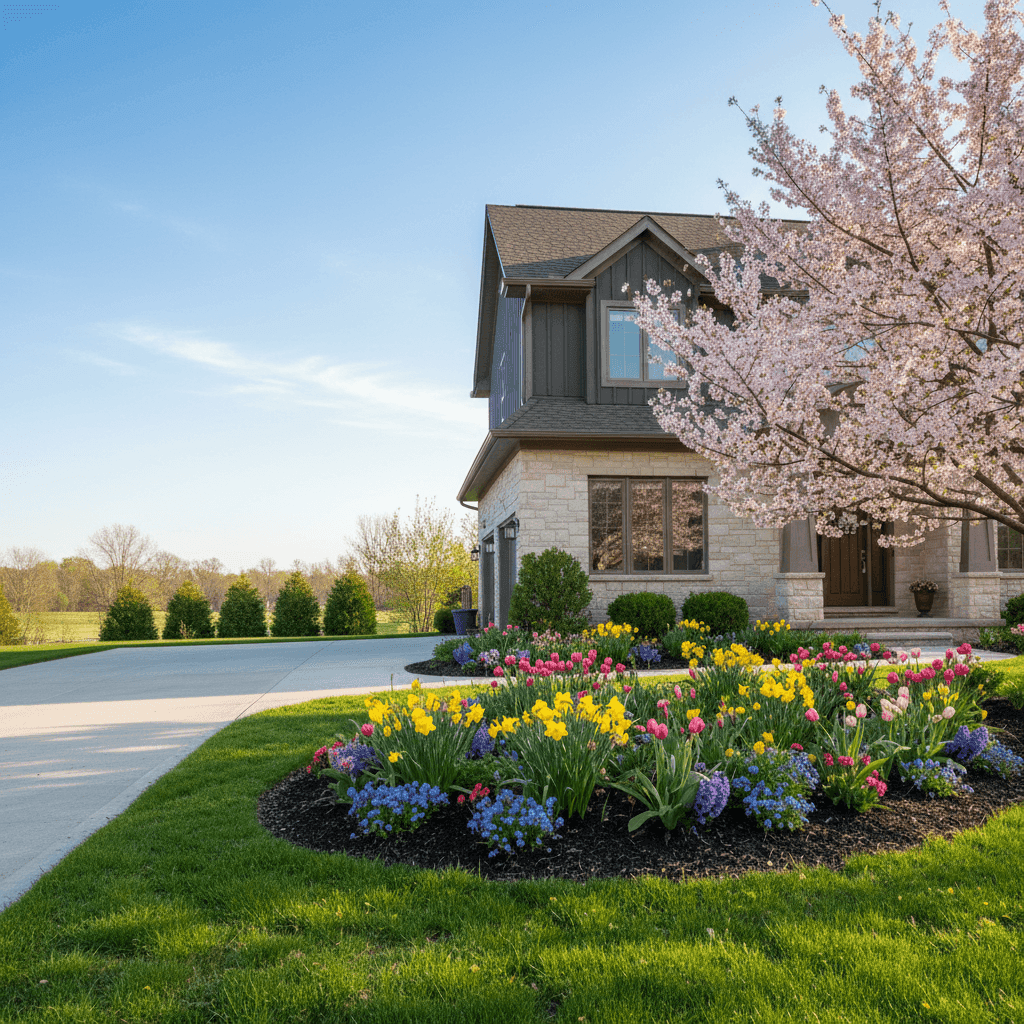
Curb appeal content connects directly to spring behaviors. Cover mulching, exterior painting, porch styling, and landscaping tips. Feature neighborhood amenities like parks, gardens, and walking trails that look their best in spring weather.
Open house content should ramp up significantly. Create teaser videos, neighborhood walk-throughs, and behind-the-scenes glimpses of preparation. Local event coverage around farmers market openings, school fairs, and spring sports builds community connection.
This season aligns with research showing 40% of annual home sales concentrate between March and June. Your content volume and promotional intensity should reflect this reality. Real estate content by season reaches peak importance during these months.
Sources:
When open house volume spikes, use Peachgum to convert photo sets into ready-to-post Reels and YouTube Shorts in minutes. This provides a faster, more affordable alternative to hiring videographers during your busiest season.
Summer (Jun–Aug)
Summer content targets lifestyle and timing. Focus on outdoor living, family needs, and the urgency around school calendar moves.
Neighborhood lifestyle content performs exceptionally well. Document pools, splash pads, walking trails, food truck locations, and outdoor concert venues. Showcase what makes your area special during the season when people spend the most time outside.
Buyer education around school timelines becomes crucial. Create content about moving before school starts, relocation guides for families new to the area, and "close before August" messaging. Many buyers don't realize how school calendars affect their moving timeline.
Feature listings that emphasize summer comfort. Highlight shaded yards, upgraded air conditioning, energy-efficient windows, and spaces designed for backyard entertaining. Vacation home angles work well too, especially properties within a few hours of major cities.
Research shows June often brings peak visibility and engagement for agents, while summer marketing can effectively target demographics interested in vacation properties and school-related moves. Time your highest-value content and strongest calls-to-action accordingly.
Sources:
Batch-create short-form listing tours from photos with Peachgum and schedule them across Instagram, TikTok, and YouTube Shorts. This maintains daily posting cadence during your busiest months without overwhelming your schedule.
Autumn (Sep–Nov)
Autumn content emphasizes preparation, opportunity, and seasonal community features. While activity may slow compared to summer peaks, motivated buyers and sellers still need guidance.
"Prep for winter" maintenance content works well. Cover chimney inspections, weatherstripping, gutter cleaning, and heating system tune-ups. Homeowners appreciate actionable advice that protects their investment.
Interior lifestyle content should emphasize cozy elements. Feature reading nooks, natural light, warm paint colors, and spaces that feel inviting as daylight hours shrink. These elements become more important to buyers as the weather changes.
Market positioning content helps capture end-of-year opportunities. Create "sell before holidays" timeline posts and "buy now, beat spring rush" messaging. Many people don't realize autumn can offer strategic advantages for both buyers and sellers.
Community coverage should highlight fall activities. Document foliage routes, harvest festivals, and back-to-school community events. These posts continue building your local authority while providing engaging content during slower transaction periods.
Sources:
Seasonal Marketing Strategies for Realtors
Moving from individual post ideas to comprehensive seasonal campaigns requires strategic planning around timing, messaging, and distribution. Successful seasonal marketing realtor approaches align content volume and calls-to-action with natural attention peaks while maintaining year-round visibility.
Research confirms that timing matters significantly. Spring and summer attention peaks, especially around June, should shape your posting frequency and promotional intensity. Summer messaging around school transitions and vacation homes targets specific buyer motivations that don't exist in other seasons.
Sources:
Winter Campaigns
Winter campaigns focus on education, preparation, and relationship building. With lower transaction volume, this becomes prime time for nurturing future clients and positioning yourself for spring activity.
Content themes should center on homeowner education, spring listing preparation, equity check-ups, and buyer readiness. Many sellers don't realize winter is the ideal time to start preparing for spring listings, creating an opportunity for early engagement.
Tactical approaches include email sequences with seasonal checklists, "cozy home" video tours that showcase winter appeal, and neighborhood winter event coverage. The goal is maintaining visibility and building trust while competitors reduce their activity.
Suggested posting cadence: 3-4 posts per week with one longer-form weekly market update. This maintains presence without overwhelming your audience during a naturally quieter period.
Spring Campaigns
Spring campaigns should be your highest-intensity season. Inventory surges, open house activity peaks, and buyer attention reaches annual highs. Your content strategy needs to match this energy level.
Focus areas include new inventory alerts, open house promotion, curb appeal guidance, and neighborhood bloom documentation. Every piece of content should either attract new listings or engage active buyers.
Tactical recommendations include listing teaser videos, 24-hour open house countdown content, "just listed" series posts, and local spring event spotlights. The concentration of sales activity between March and June means missing this window significantly impacts annual results.
Sources:
Summer Campaigns
Summer campaigns target relocation, lifestyle, and urgency around school calendars. Peak visibility in June creates an optimal window for high-value content and conversion-focused messaging.
Content should emphasize moving before school starts, outdoor living features, vacation property opportunities, and weekend tour availability. Families become especially engaged during summer months as they plan for fall transitions.
Tactics include "move-in before class starts" timeline posts, backyard entertaining video shorts, and live Q&A sessions about relocation. The goal is converting summer engagement into closed transactions before fall.
Sources:
Autumn Campaigns
Autumn campaigns focus on pre-winter preparation, holiday timeline management, and off-peak opportunities. While activity levels moderate, motivated participants often make the best clients.
Content themes include maintenance preparation, holiday selling timelines, cozy staging approaches, and market opportunities for patient buyers and sellers. Many people don't consider autumn transactions, creating less competition for your messaging.
Tactical approaches include "sell before Thanksgiving" urgency campaigns, fall foliage neighborhood reels, and seller preparation consultation calls-to-action. The goal is capturing motivated participants while building relationships for future seasons.
When ramping up seasonal campaign content across multiple platforms, use Peachgum to produce cinematic short-form videos from listing photos. This approach saves significant time and cost compared to hiring videographers while maintaining professional quality standards.
Build a Quarterly Content Plan (Step-by-Step for Agents)
A systematic quarterly content plan for agents eliminates the stress of constant content creation while ensuring you never miss peak engagement windows. This framework keeps you consistent, relevant, and strategically aligned with market rhythms.
Research supports front-loading content volume in Q2 and Q3 to match attention peaks, while using summer's school and vacation timing to target specific buyer demographics. Your quarterly plan should reflect these natural patterns rather than maintaining static posting schedules.
Sources:
Define Seasonal Goals
Start each quarter by identifying specific objectives that align with seasonal market behavior. Effective goals connect directly to revenue outcomes while recognizing seasonal opportunity differences.
Q1 (winter) goals typically focus on seller nurturing and spring preparation. Examples include "Schedule 10 spring listing consultations" or "Build email list by 100 qualified prospects." Q2 (spring) should emphasize listing acquisition with goals like "Secure 6 new listings" or "Increase open house attendance 50%."
Q3 (summer) often targets relocation buyers and luxury markets with goals such as "Close 4 relocation transactions" or "Establish referral partnerships in 2 target cities." Q4 (autumn) might emphasize database depth and planning: "Complete 50 client check-ins" or "Plan next year's marketing calendar."
Map Monthly Themes and Offers
Assign each month 1-2 focused themes that guide content creation and make planning simpler. Themes should feel natural while creating anticipation among your audience.
Examples include "Curb Appeal April" (spring preparation content), "Backyard July" (outdoor living features), "Prep-to-List October" (seller education), or "Cozy December" (winter staging and buyer opportunities). Each theme should connect to a specific offer or call-to-action.
Monthly themes eliminate decision fatigue while ensuring your content feels cohesive. They also make batching content much more efficient since you're creating around focused topics rather than random ideas.
Choose Core Formats and Channels
Identify 3-4 content formats you can execute consistently rather than trying to be everywhere. Quality and consistency beat variety every time in content marketing.
Recommended core formats include short-form videos (Reels, TikToks, YouTube Shorts), photo carousels with educational captions, weekly email newsletters, and live content like open house tours or Q&A sessions. Choose based on your comfort level and audience preferences.
Channel selection should prioritize where your ideal clients spend time. Most agents benefit from focusing on Instagram, Facebook, and email marketing before expanding to TikTok, YouTube, or other platforms.
Create a Production and Posting Cadence
Batch content creation saves enormous time while ensuring consistency. Plan one intensive content creation day per month rather than daily scrambling for post ideas.
During your batching day, create 15-20 pieces of content around your monthly theme. Mix formats and repurpose core messages across different platforms. A single listing can become a carousel post, a short video, an email newsletter feature, and social media stories.
Posting frequency should match seasonal intensity. Winter might mean 3 posts per week, while spring and summer could require daily posting. Use scheduling tools to maintain consistency without daily management.
Plan Measurement and Iteration
Track metrics that connect to business outcomes, not just vanity numbers. Focus on saves, shares, website clicks, consultation requests, and open house attendance rather than just likes or followers.
Monthly review sessions help identify what's working and what needs adjustment. If spring curb appeal content generates high engagement but few leads, adjust your calls-to-action rather than changing topics.
Quarterly planning allows for significant pivots based on performance data and market changes. What works in one season might need adjustment for the next, especially as platform algorithms and audience preferences evolve.
Use Peachgum to systematize video content production during your batching sessions. Upload listing photos, select seasonal visual effects and soundtracks, then export ready-to-post vertical videos for all major platforms. This approach helps you stick to your quarterly plan without getting overwhelmed by production demands.
Implementing Seasonal Content Into Your Overall Marketing Strategy
Seasonal content works best when integrated across all marketing channels rather than existing in isolation. Smart integration amplifies your message while creating multiple touchpoints that guide prospects toward conversion.
Timing integration becomes crucial based on research showing heavier engagement during March through June, with peak visibility in June. Your email campaigns, paid advertising, and website updates should align with these patterns while incorporating summer triggers around school transitions and vacation properties.
Sources:
Omnichannel Distribution Checklist
Website integration should include seasonal neighborhood guides, monthly "best-of" local business lists, and seasonal home maintenance resources. These pages capture organic search traffic while positioning you as the local market expert.
Email marketing benefits from monthly homeowner tip sequences tied to weather patterns and local events. Spring emails might focus on curb appeal and market preparation, while winter content emphasizes energy efficiency and maintenance.
Social media should prioritize short-form video content, then expand to photo carousels and story highlights. Each piece of content should have versions optimized for different platforms rather than using identical posts everywhere.
Paid advertising becomes especially effective when you retarget viewers of seasonal content with relevant listing alerts or consultation offers. Someone who engages with your spring market content is a qualified prospect for listing services.
Neighborhood and Community Features
Create rotating local business spotlights that align with seasonal activities. Partner with restaurants for outdoor dining features in summer, heating contractors for winter preparation content, or landscapers for spring curb appeal posts.
Seasonal event coverage builds community connections while providing natural content opportunities. Document farmers markets, festivals, school events, and holiday celebrations. These posts often receive high organic reach because they interest people beyond your immediate target audience.
School and municipal calendar integration helps you stay ahead of local timing. Know when school starts, when permits are typically processed, when seasonal services become available, and when community events are scheduled.
Conversion Paths
Every piece of seasonal content should include relevant calls-to-action. Spring content might promote "request a listing preparation consultation," summer posts could offer "school district guides for relocating families," and fall content might feature "get our winter maintenance checklist."
Landing pages should match seasonal messaging for consistency. If your spring social media content focuses on curb appeal, your landing page should emphasize listing preparation services rather than generic real estate help.
Follow-up sequences should continue seasonal messaging. Someone who downloads a spring curb appeal guide should receive email content about spring market trends, not random real estate tips.
Pair neighborhood photos with Peachgum to create cinematic community spotlights in minutes. Choose seasonal music and visual effects that match the current mood and atmosphere. This approach elevates your neighborhood authority content while minimizing production time.
Start Your Seasonal Content Strategy This Week
Seasonal real estate content transforms random posting into strategic marketing that aligns with natural buyer and seller behavior. When you match your messaging to market rhythms, you capture attention during peak engagement windows while building authority during quieter periods.
The framework is straightforward: plan quarterly themes, create monthly content buckets, batch production for efficiency, and integrate across all marketing channels. Focus on spring and summer intensity while maintaining consistent winter and fall presence.
Your first step is building next quarter's content plan and creating one month of posts this week. Choose your seasonal themes, identify 15-20 specific post ideas, and start production. Consistency beats perfection, and starting beats planning indefinitely.
Turn your listing and neighborhood photos into ready-to-post short-form videos with Peachgum to keep your seasonal content calendar on track without breaking your budget or overwhelming your schedule.